Bangkok & Central Thailand
The capital is a city of layers — gilded temples beneath glass towers, Michelin chefs beside midnight street vendors, ancient canals threading through ultramodern neighbourhoods.
Begin Your JourneyAbout This Region
Bangkok is a city that rewards depth. Beneath the sky-trains and luxury hotels lies a network of canals, courtyards, and communities that most visitors never see. We open those doors — arranging private access to royal temples before the crowds arrive, introducing you to chefs who have never hosted groups, and guiding you through the neighbourhoods where Bangkok still feels like Bangkok.
Beyond the capital, Central Thailand unfolds at a slower pace. Ayutthaya's twilight ruins stand in cathedral silence once the last coach departs. The mist-wrapped hills of Kanchanaburi frame the famous river with a stillness that the history books never quite capture. Each destination is private, paced to you, built around experiences that cannot be bought off a shelf.
We have spent years cultivating relationships in this city — with historians, chefs, temple custodians, and artists — so that when you arrive, you are not a tourist. You are a guest of Bangkok itself.
Featured Journey
How we travel here
8 – 12 Nights
Bangkok & Beyond
A private immersion into gilded temples, hidden canal markets, secret rooftop restaurants, and the forgotten kingdoms that lie just beyond the city's edge.
Explore this journeyWhere You Rest
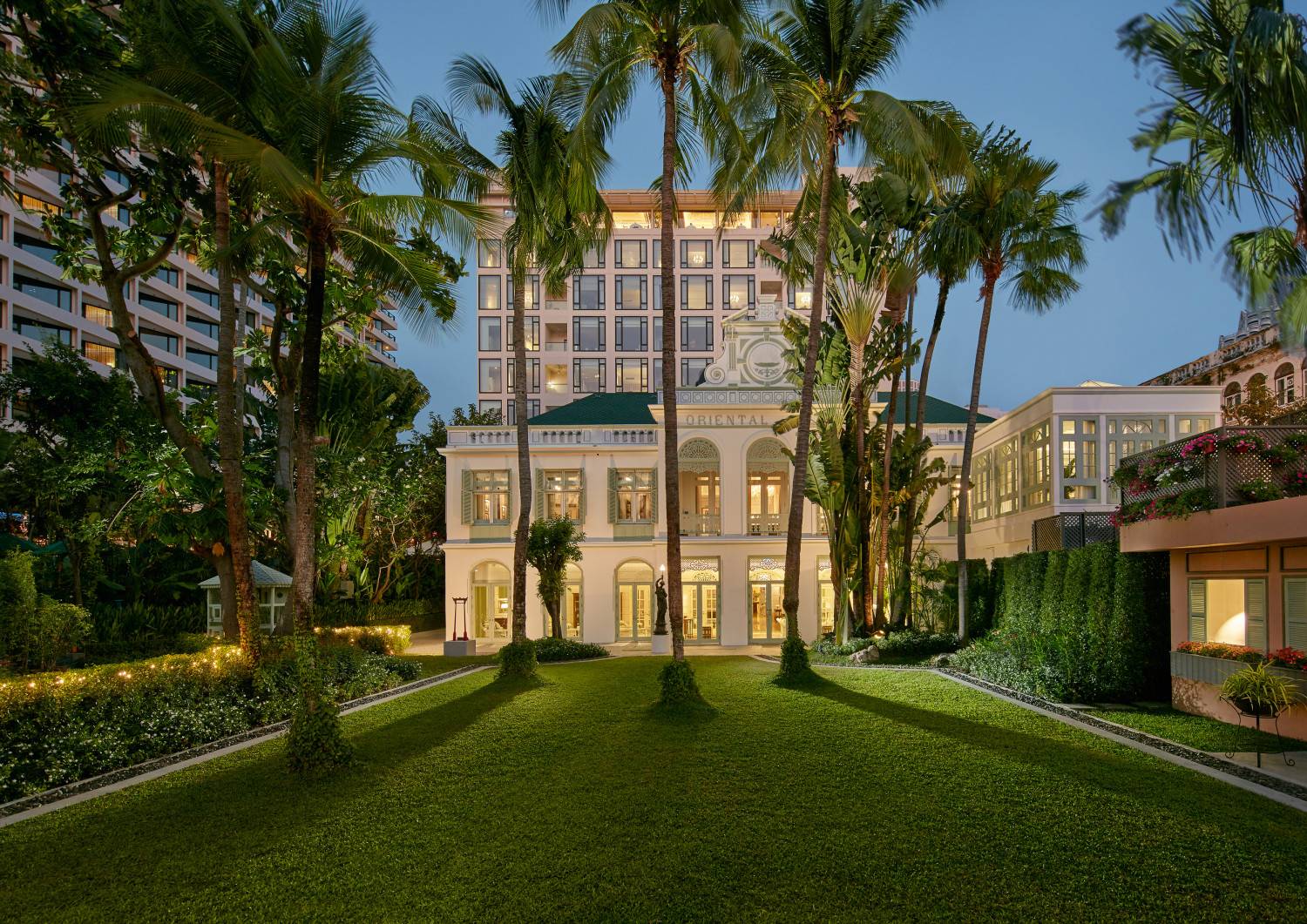
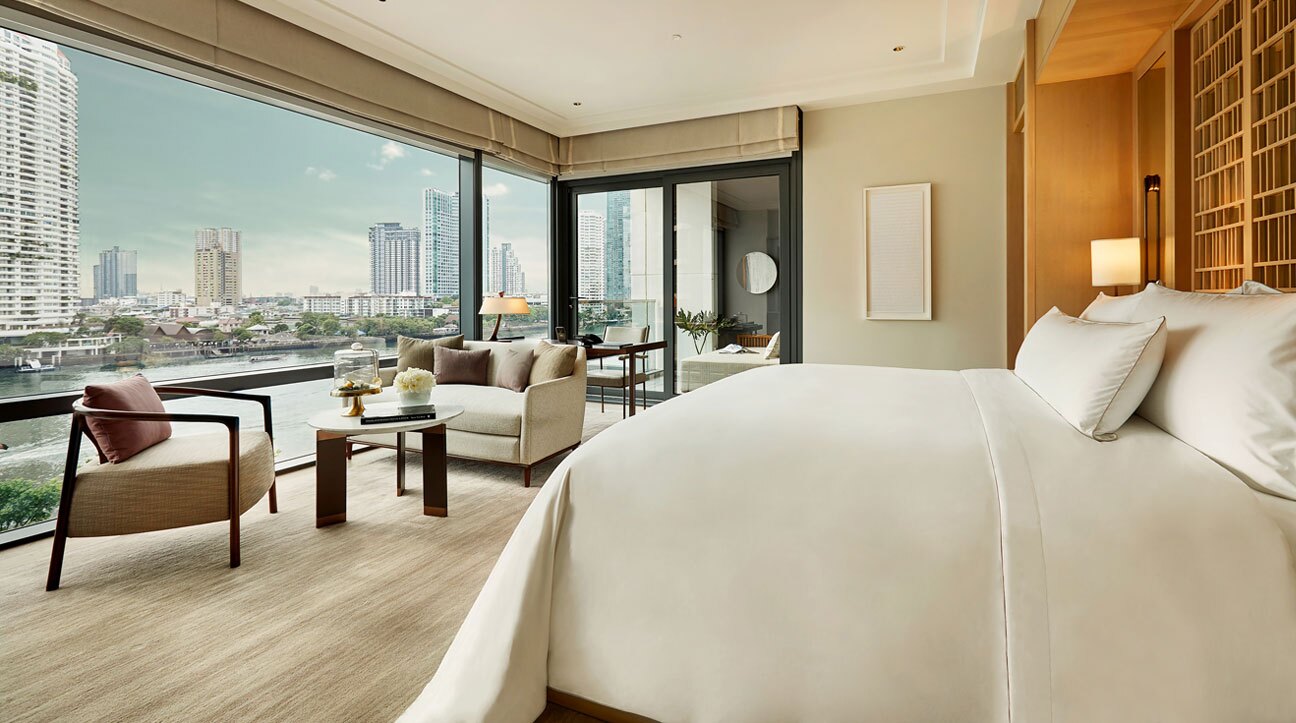
Stays in Bangkok
Experiences
Moments to seek
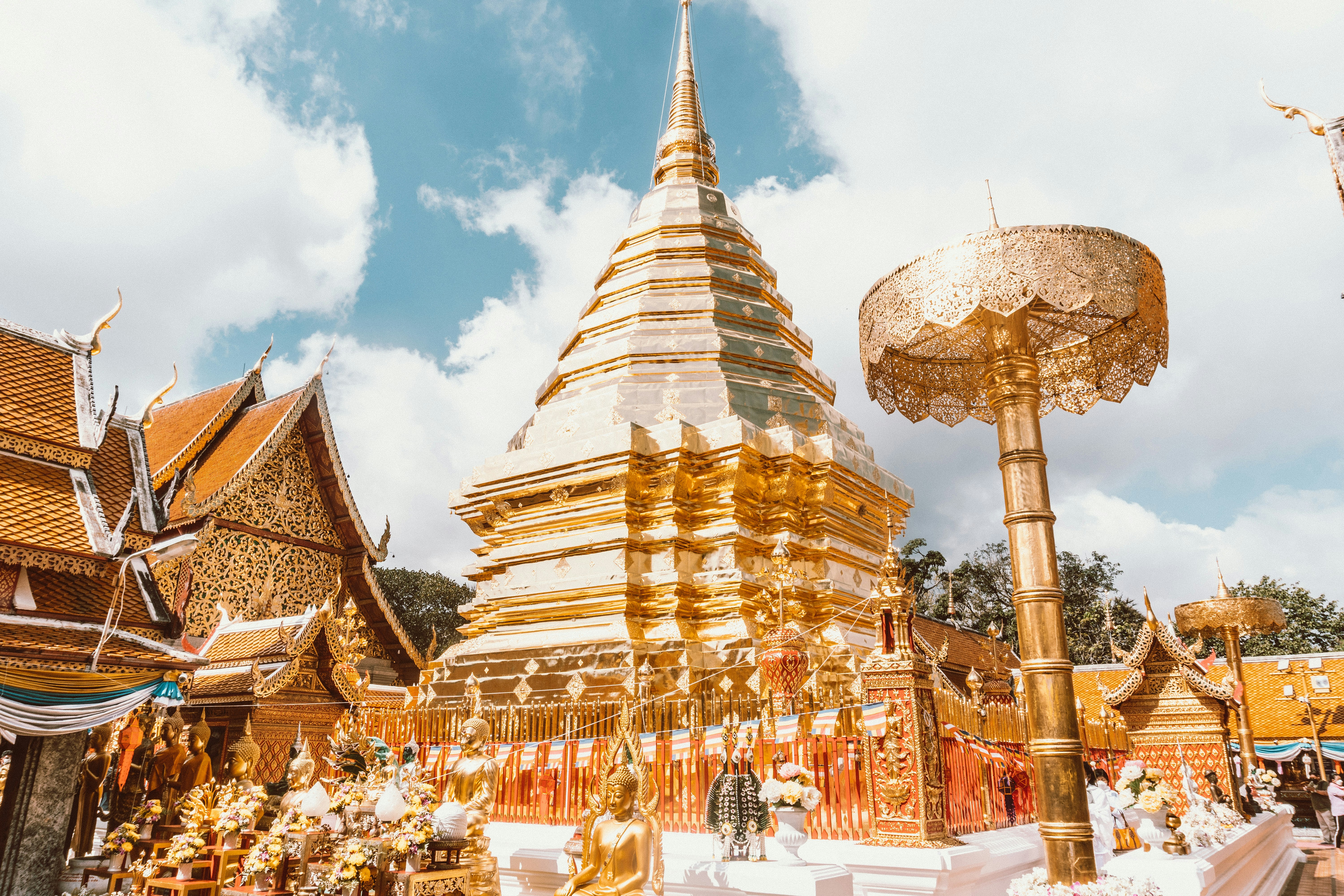
Pre-Dawn Temple Access
Wat Pho, Old City
Private Canal Journey
Thonburi Canals
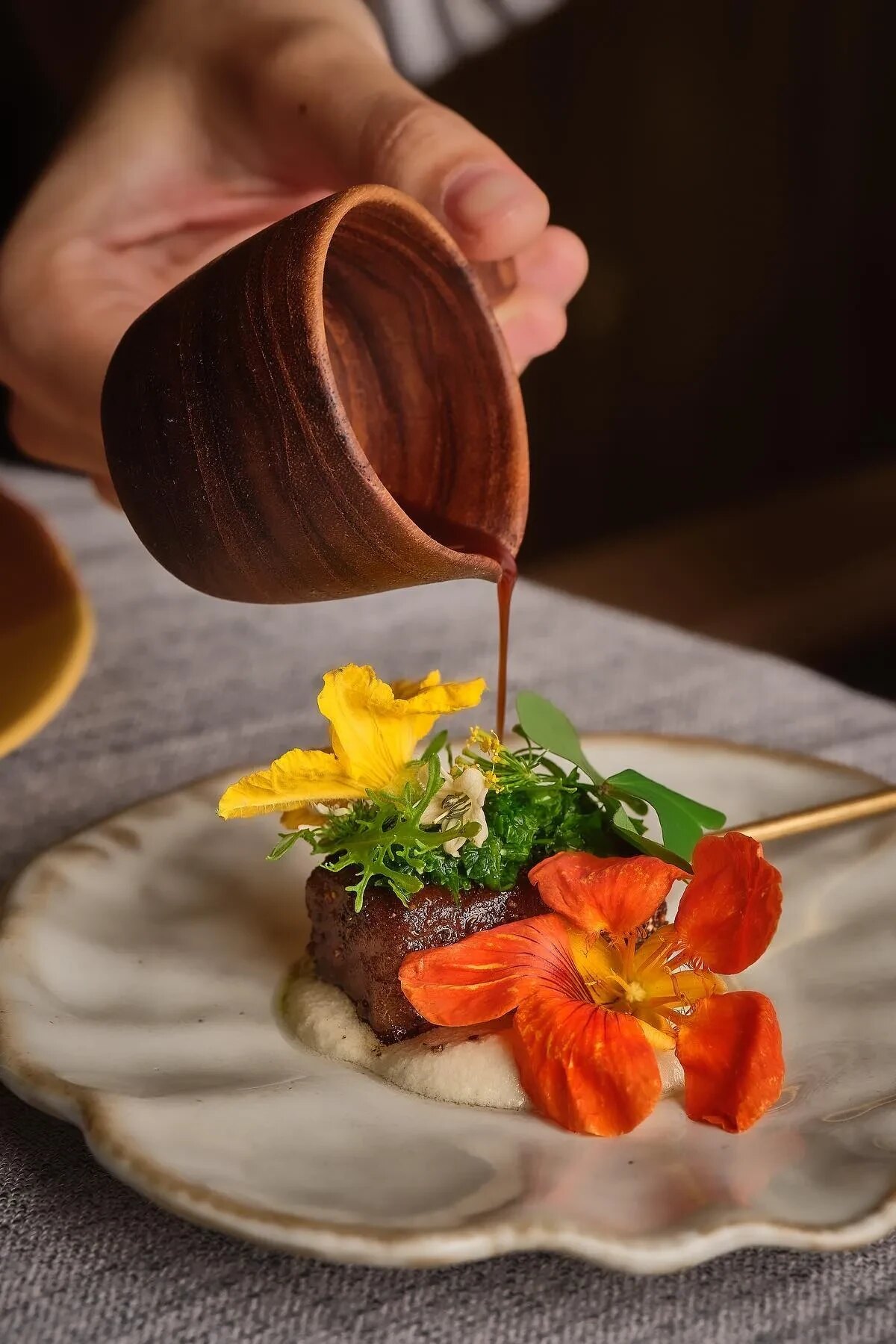
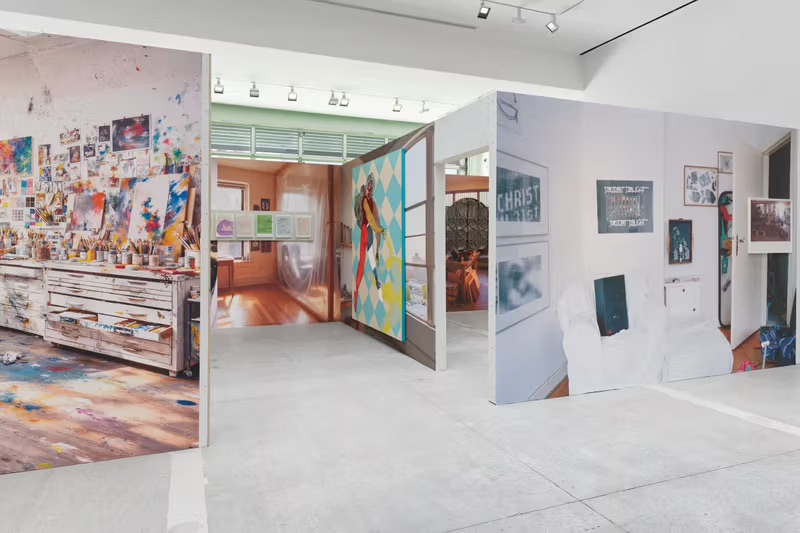
Contemporary Art Studio Visit
Bangkok Old Quarter
Notable Places
Where we take you
The places we build journeys around here — and the hour of the day, or the month of the year, at which each of them is worth your time.
Wat Arun
The Temple of Dawn
Bangkok
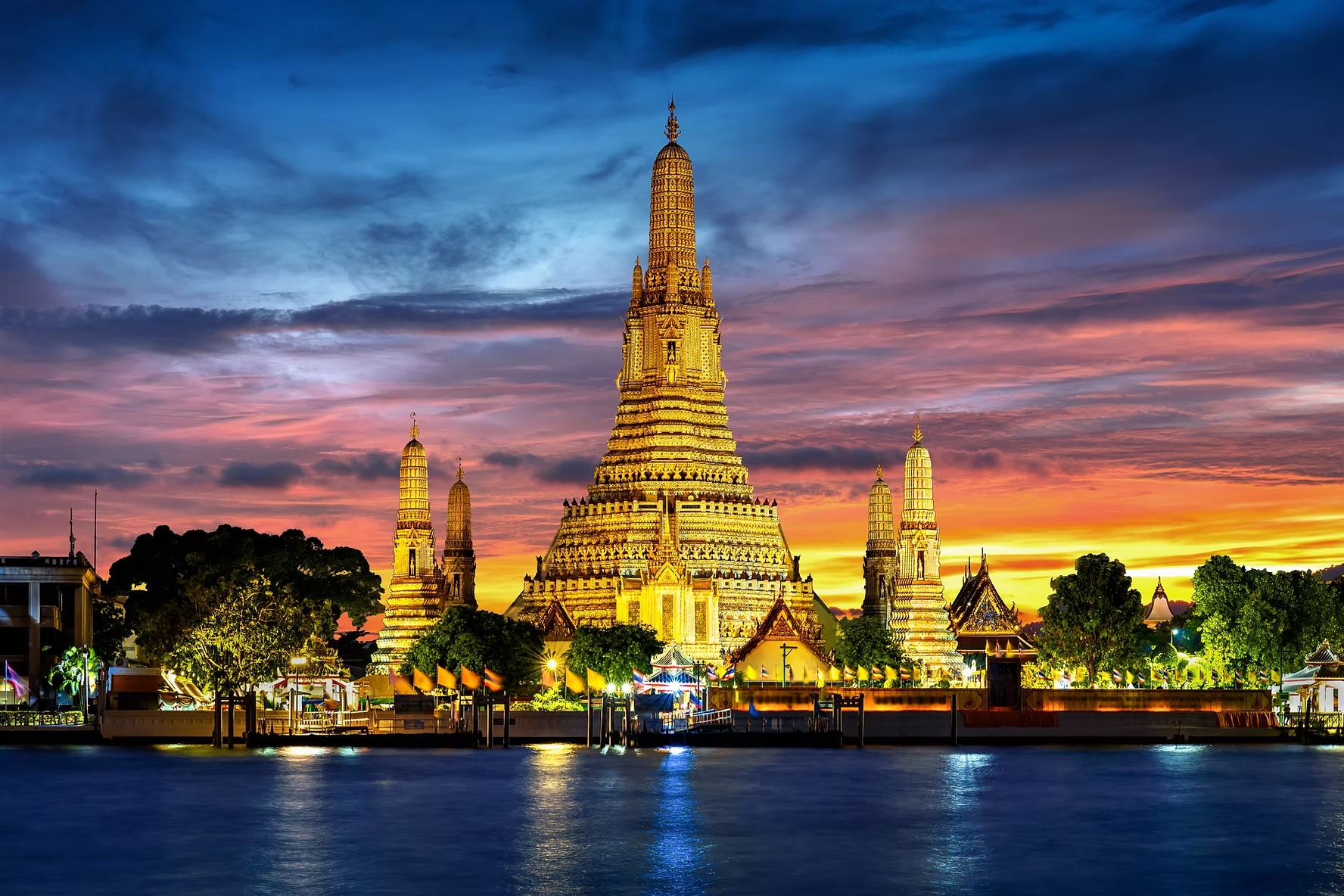
Wat Arun's central prang rises straight out of the Chao Phraya, its surface set with broken Chinese porcelain that catches the light differently at every hour of the day. We cross by private longtail rather than the public ferry, and time the visit for late afternoon, when the river traffic thins and the coach groups have moved on.
See the journey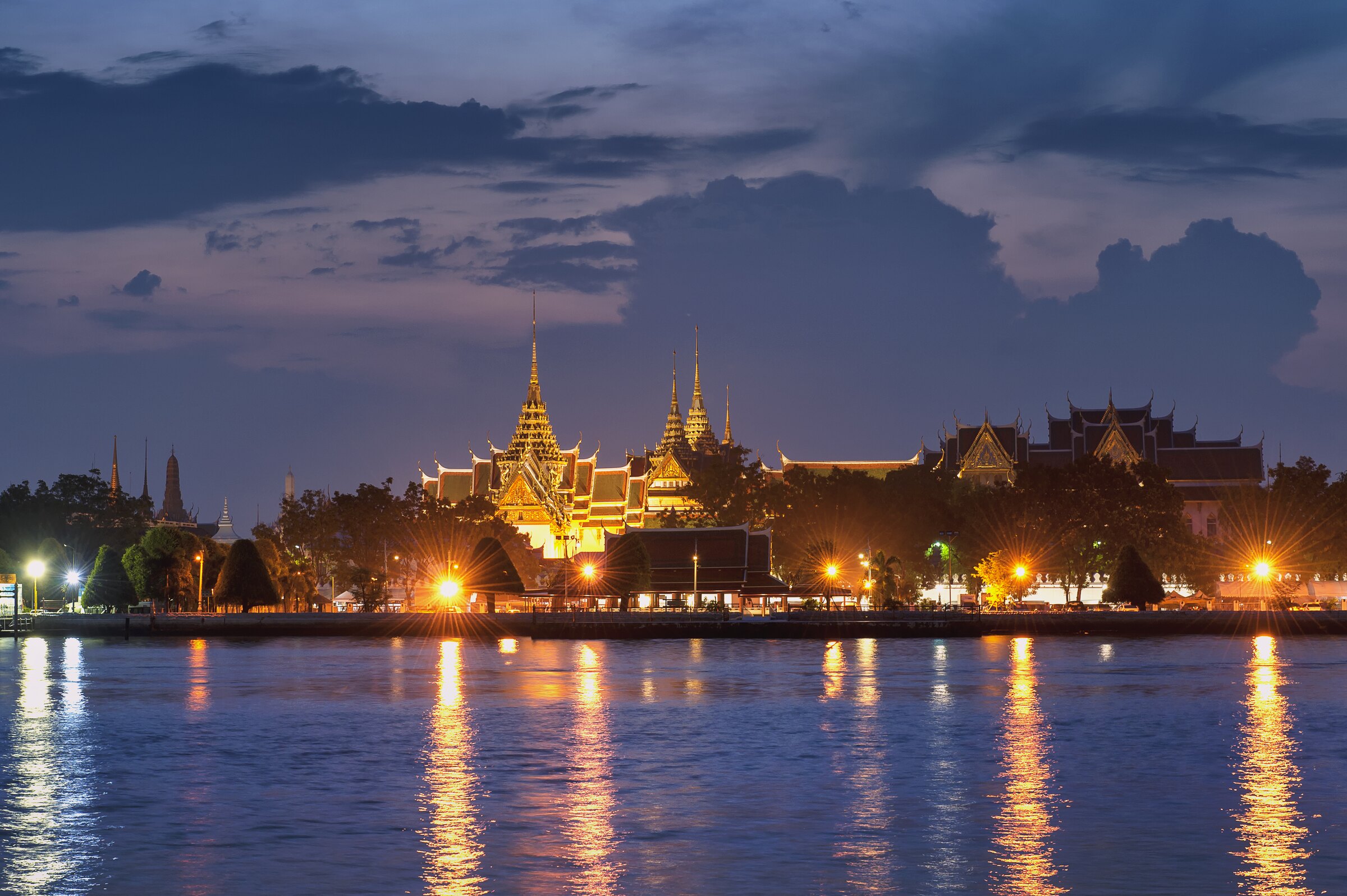
The Grand Palace & Wat Phra Kaew
The Temple of the Emerald Buddha
Bangkok
The former royal seat and the temple of the Emerald Buddha remain the most formally beautiful thing in Bangkok, and the most crowded. We arrive at opening with a historian who reads the Ramakien murals as one continuous story, and we are back on the river before the middle of the morning.
See the journey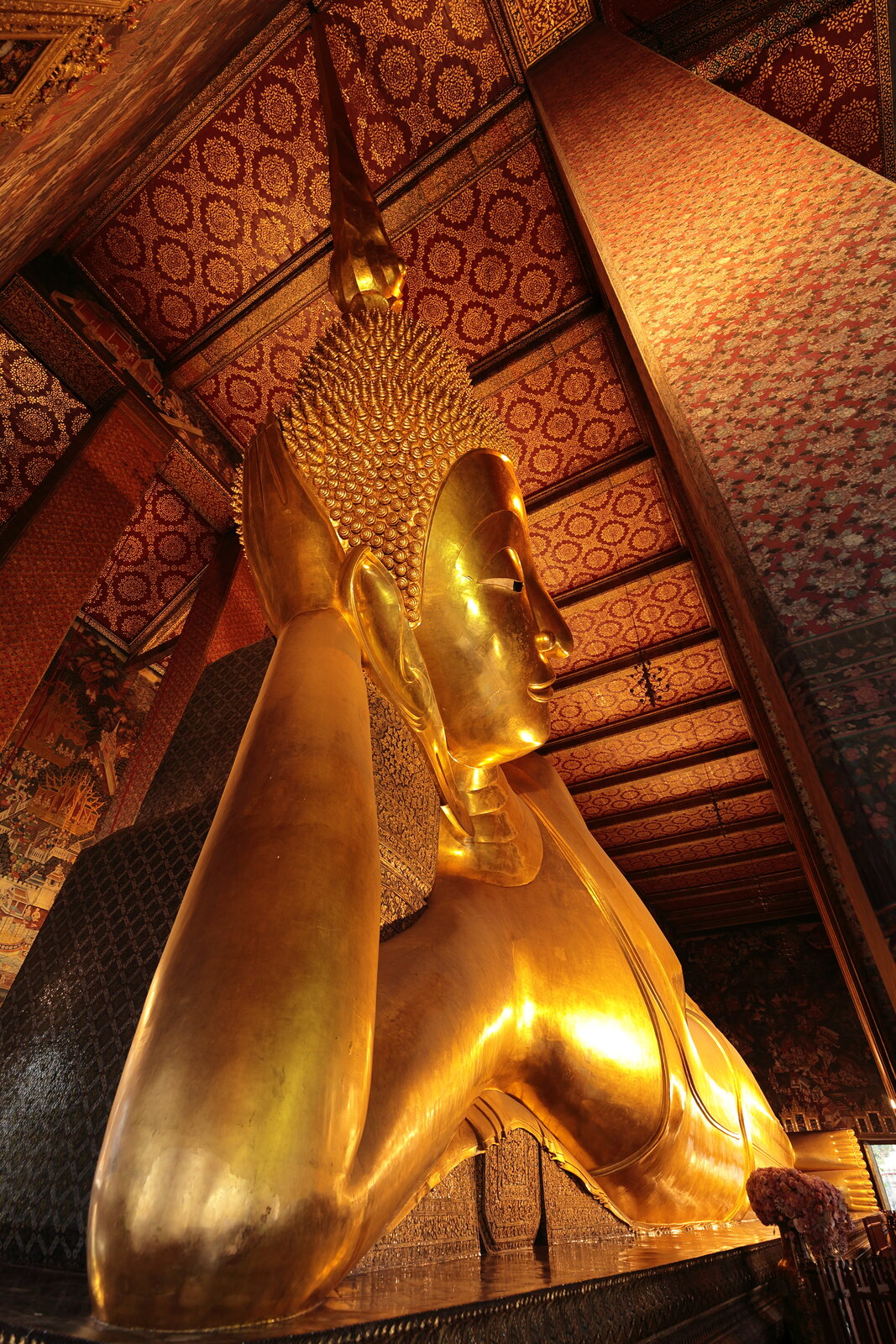
Wat Pho
The Temple of the Reclining Buddha
Bangkok
Wat Pho holds the forty-six-metre reclining Buddha and Thailand's oldest school of traditional massage, still teaching inside the same walls. We come early, while the courtyards still belong to the resident monks, and arrange a session with a senior practitioner afterwards.
See the journeyThe Chao Phraya & Thonburi Canals
Bangkok
Bangkok was built on water, and the Thonburi bank still keeps that logic — stilt houses, temple landings, and canals that run behind the city rather than through it. We travel by private longtail in the early morning, when the klongs are working rather than performing.
See the journey
Yaowarat
Chinatown
Bangkok
Yaowarat is at its best after dark, when the gold shops pull their shutters down and the street kitchens take the pavement. We walk it with someone who knows which stall has held its standard for forty years and which has not, and we eat standing up.
See the journey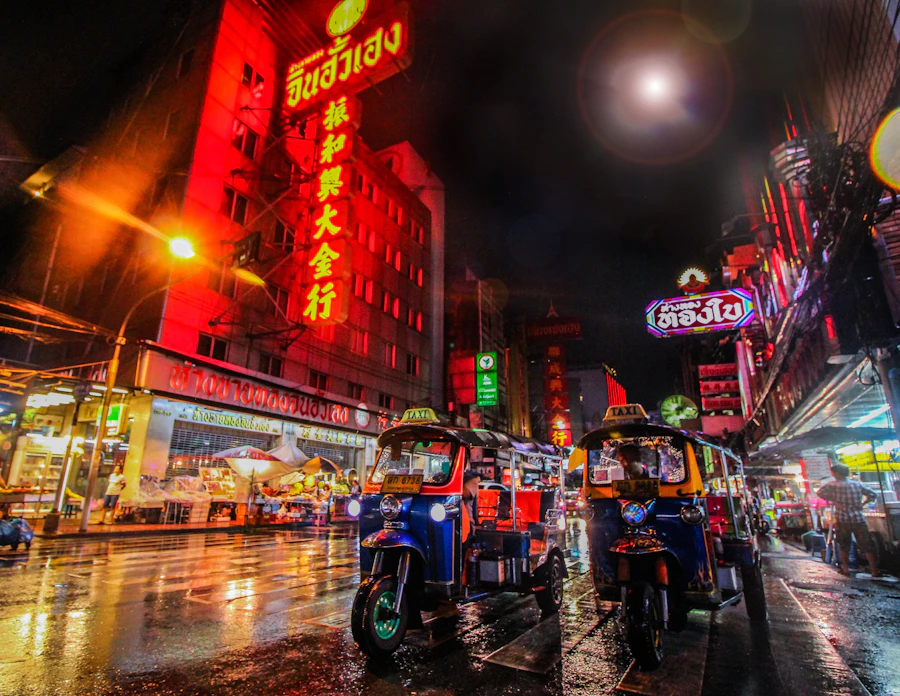
Talat Noi
Bangkok
Talat Noi is the old Portuguese-Chinese quarter south of Yaowarat — engine workshops, shrine courtyards, and lanes narrow enough that you meet them shoulder first. It is the subject of one of our films, and still where we send travellers who want Bangkok without the performance.
See the journeyAlso worth your time
The second register — the places we add when a journey has the days for them, or when the obvious things are already behind you.
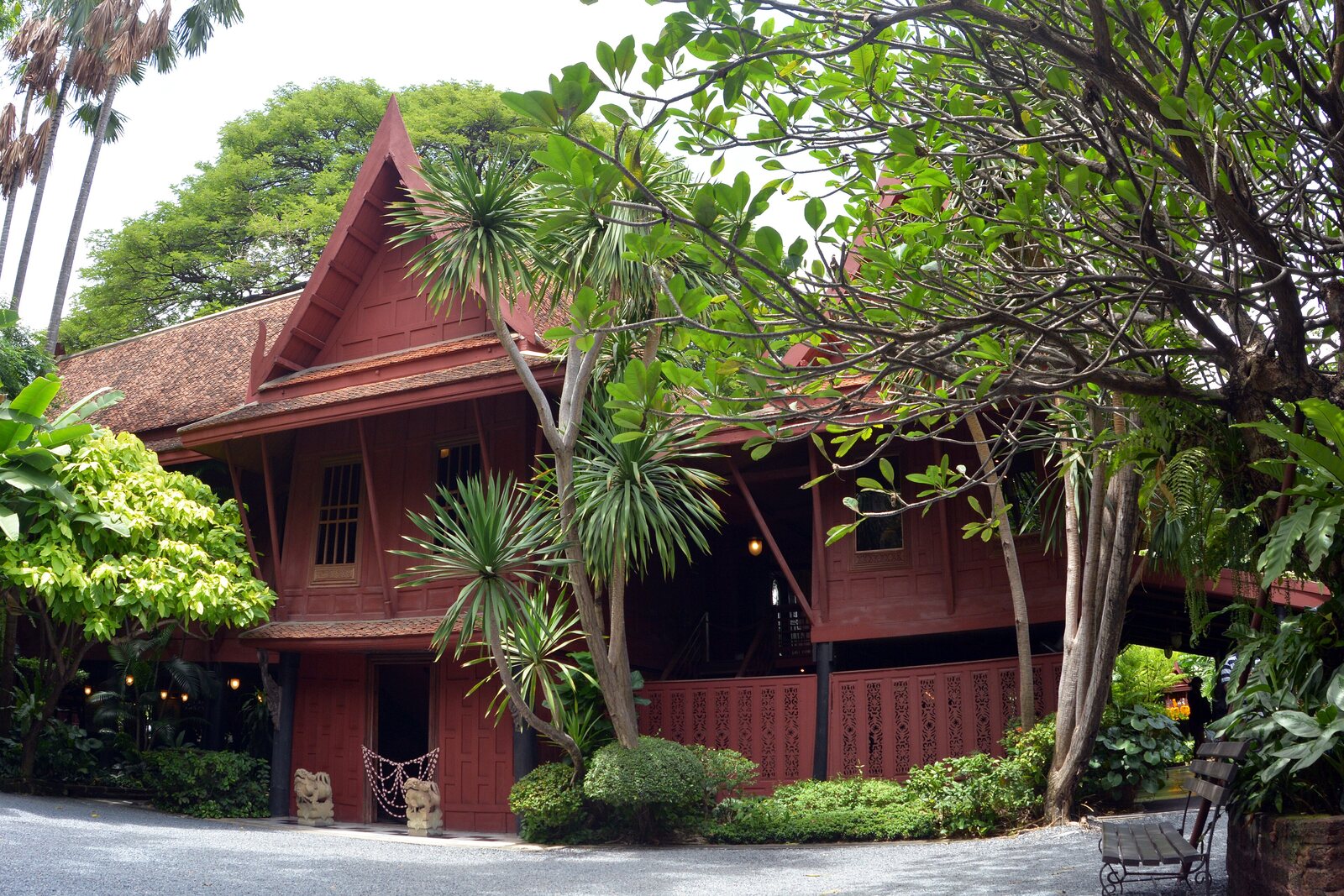
Jim Thompson House
Bangkok
Jim Thompson rebuilt the Thai silk trade after the war, assembled six teak houses into one home on a klong in 1959, and disappeared in the Cameron Highlands eight years later. The house is kept as he left it, his collection of South-East Asian art still in the rooms it was bought for. We take the first round of the day, while the garden is cool and the group is small.
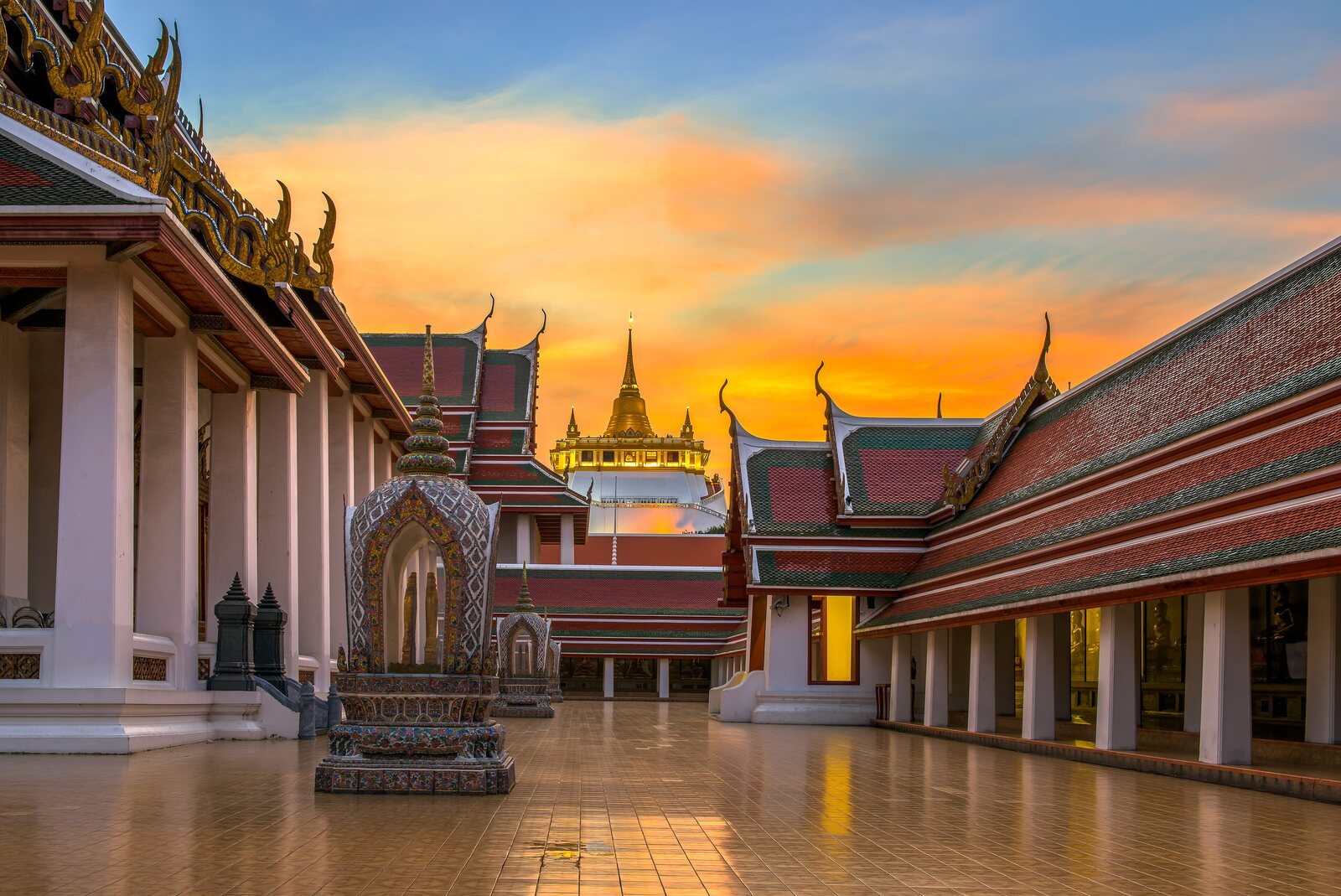
Wat Saket
The Golden Mount
Bangkok
For most of the nineteenth century this artificial hill was the highest point in Bangkok, and the walk up remains the best argument for it — a spiral of a little over three hundred steps, past ranks of bells, to a gold chedi with the whole of the old city beneath it. We climb late in the afternoon and stay while the light comes off the rooftops.
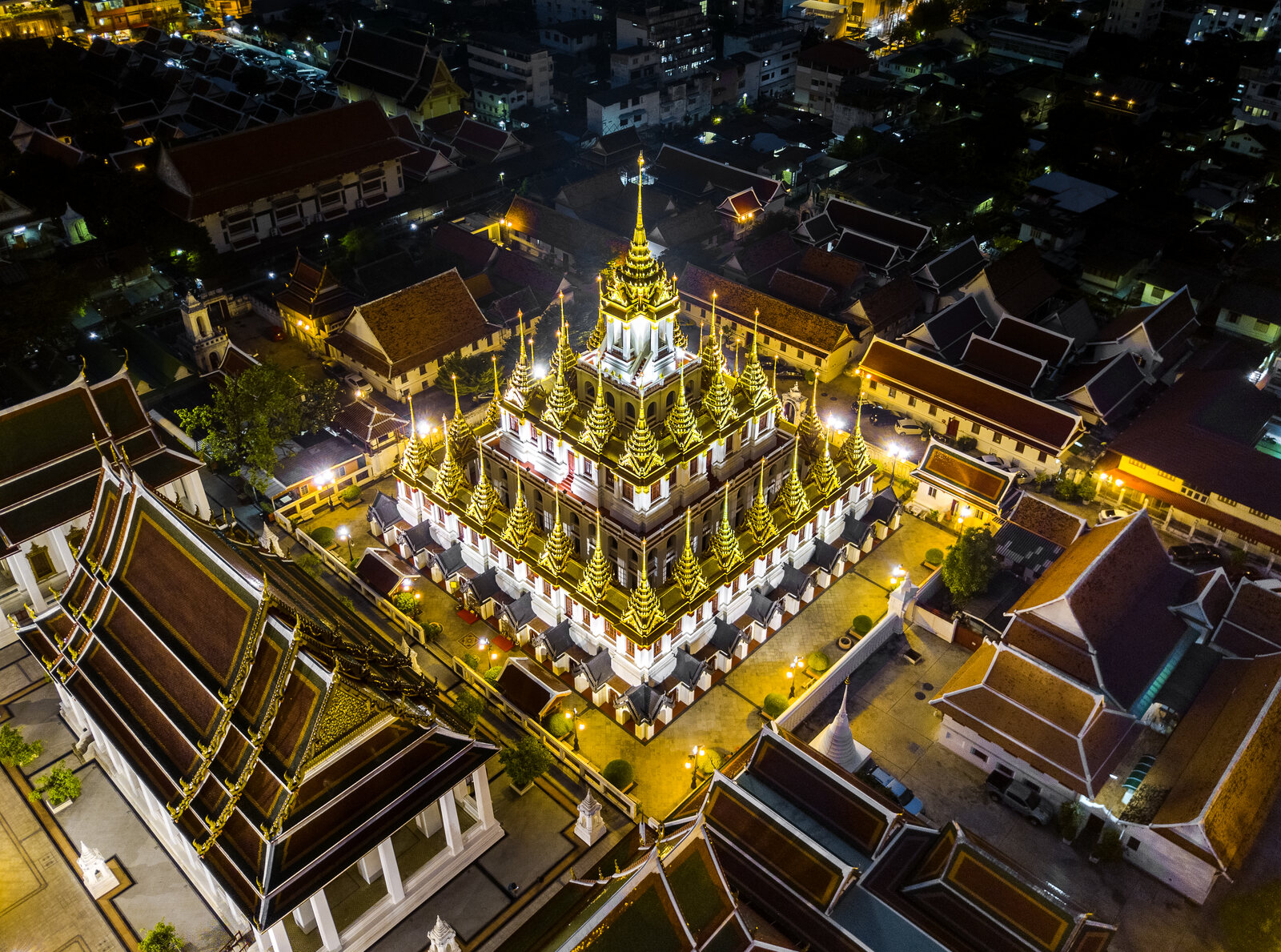
Wat Ratchanatdaram
Loha Prasat
Bangkok
Loha Prasat is a metal castle — thirty-seven iron spires, one for each of the virtues that lead to enlightenment, raised in the reign of Rama III and one of only a handful ever built anywhere. Inside there is no treasury, only a cool spiral of meditation cells. It stands a few minutes from the Golden Mount, and the two together make one unhurried morning.
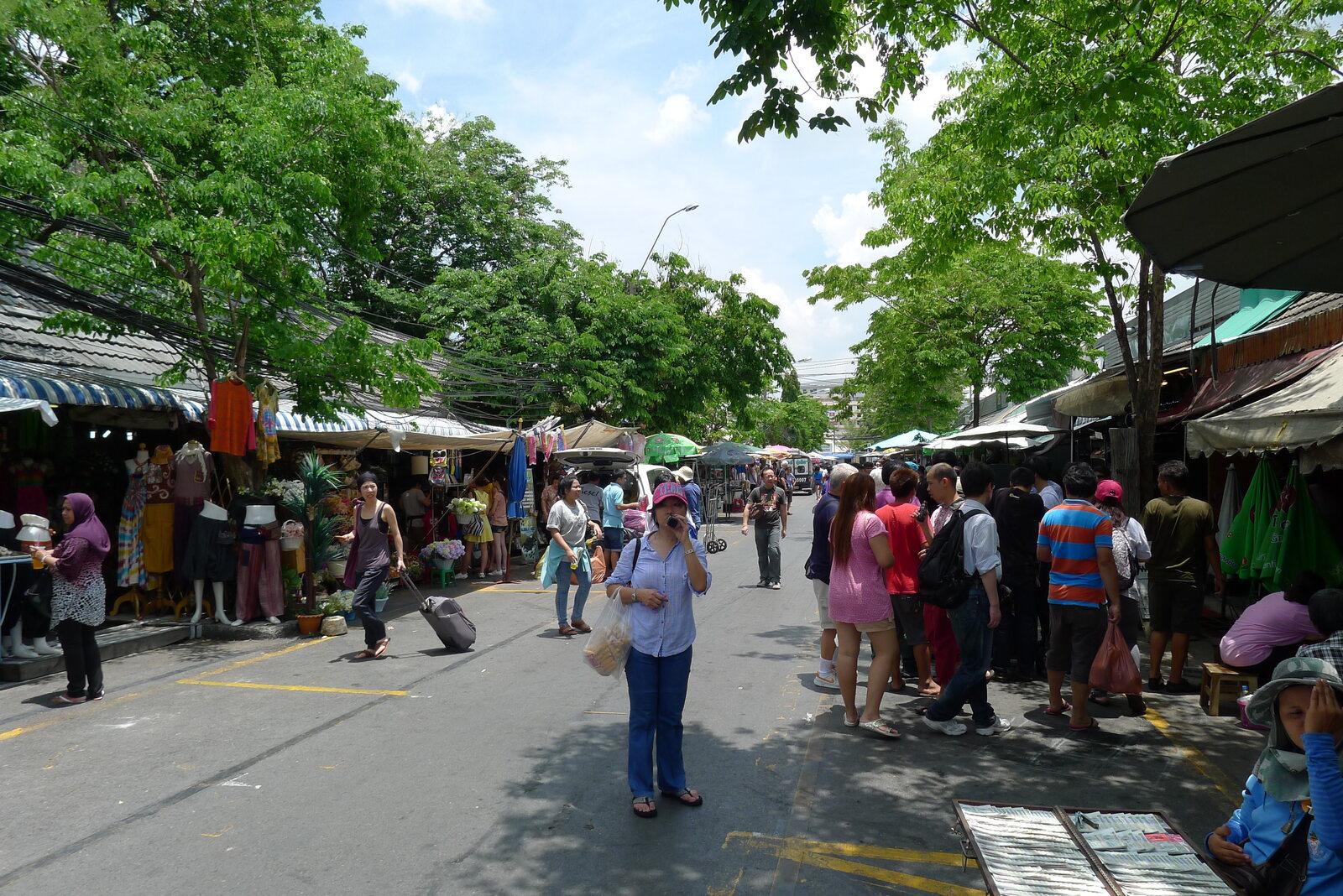
Chatuchak Weekend Market
Bangkok
Some fifteen thousand stalls across twenty-seven sections — Lanna antiques, ceramics, plants, and the reason half the city goes north at the weekend. It rewards a plan rather than a wander, so we go at opening with someone who knows which sections deserve your morning, and have anything bought sent on rather than carried.
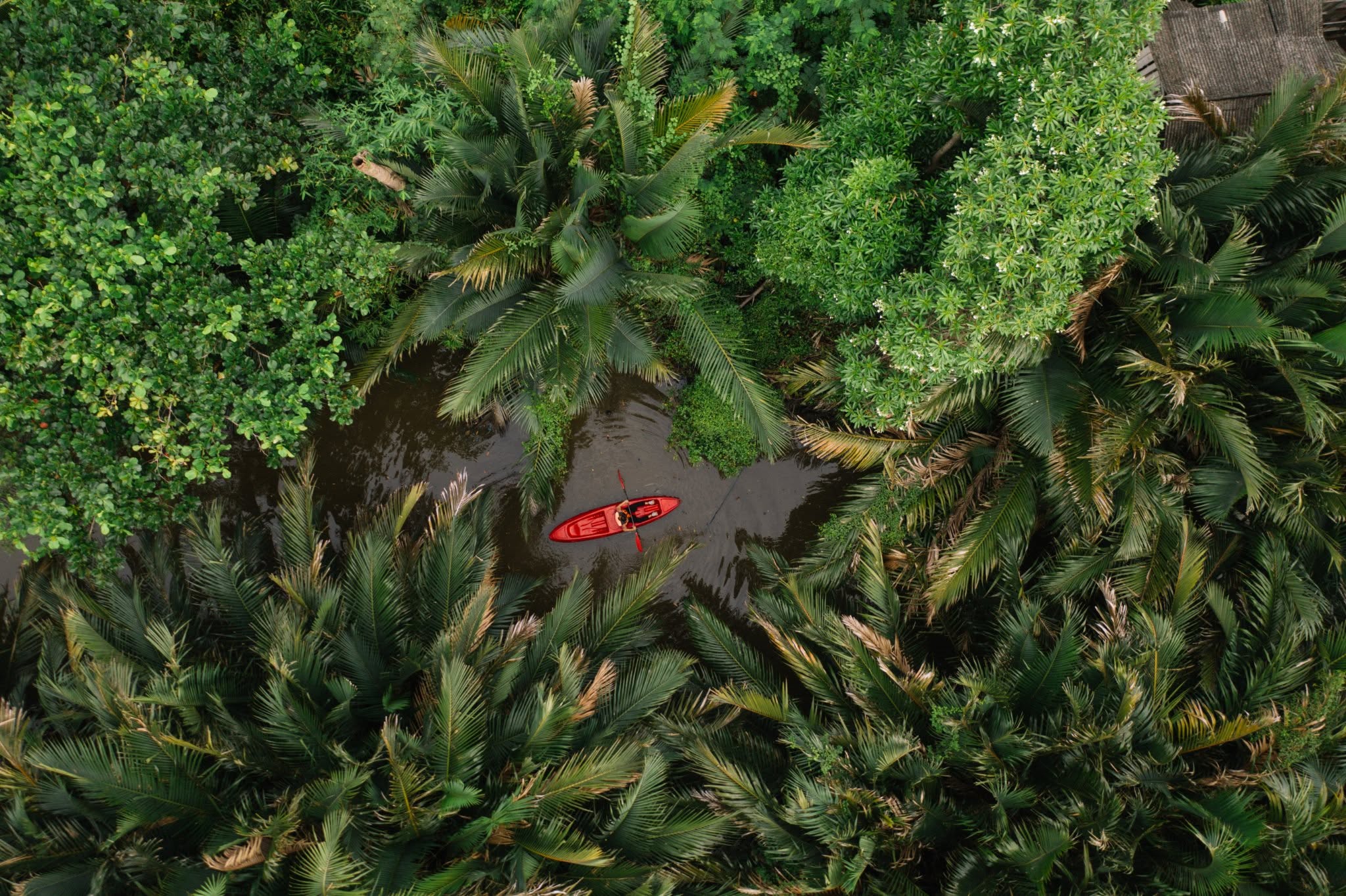
Bang Krachao
The Green Lung
Phra Pradaeng, Samut Prakan
The Chao Phraya loops so tightly here that it has left a near-island of mangrove, orchard and stilted lane ten minutes from the city, crossed on raised concrete paths rather than roads. It is the quietest air in Bangkok and almost nobody's first idea of the place. We cross by boat with bicycles and a guide, early, before the heat arrives.
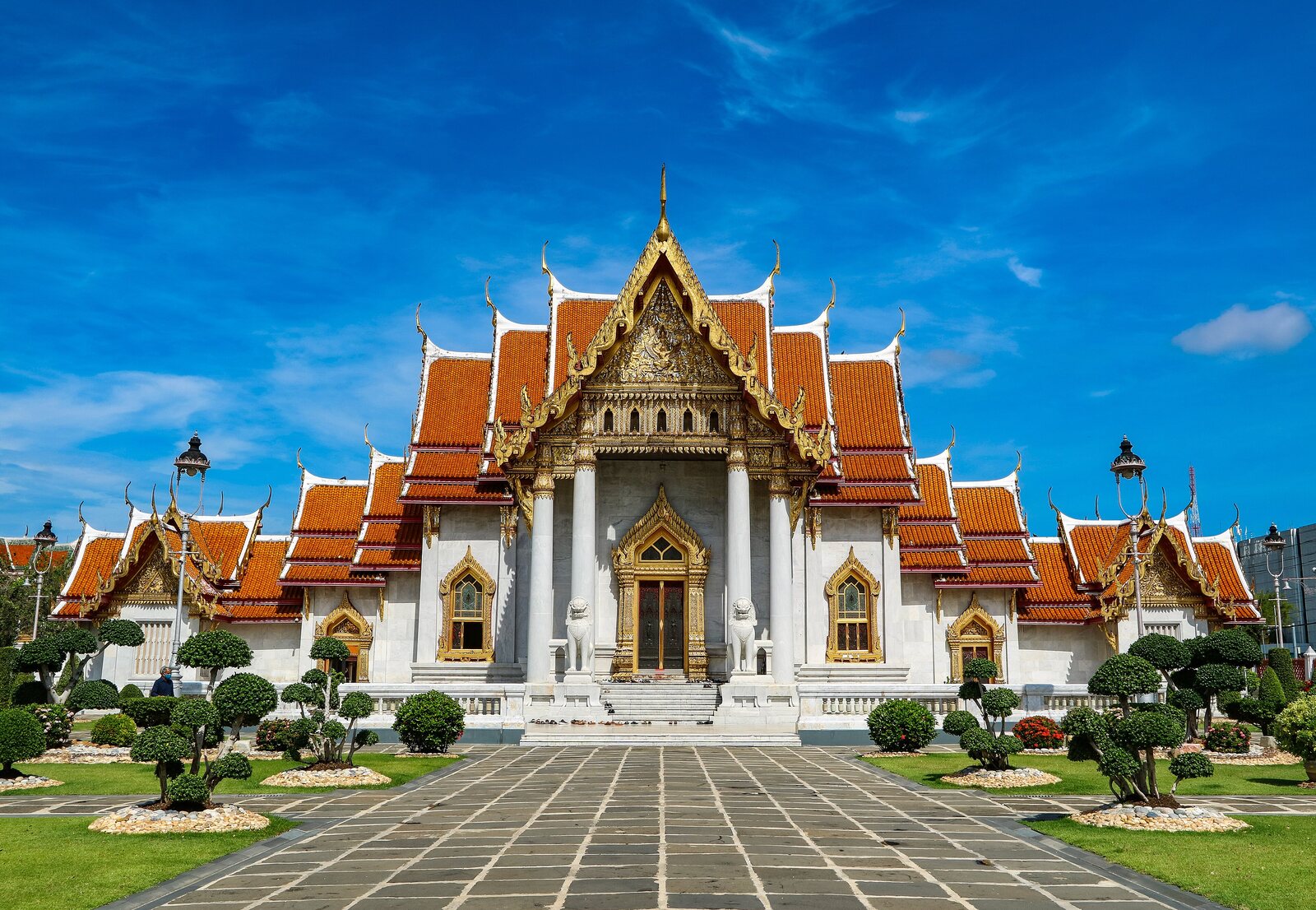
Wat Benchamabophit
The Marble Temple
Bangkok
Rama V had the ordination hall faced in Carrara marble in 1899, and the result is the most European-feeling temple in the Kingdom without ceasing for a moment to be Thai — the building you have already seen, without knowing it, on the five-baht coin. The cloister behind holds fifty-odd bronze Buddhas gathered from across Asia. Morning light on white marble is the whole point.
Questions
What travellers ask
What is the best time to visit Bangkok?
Bangkok works year-round, though the cooler months from November to February make walking the old city and temple-hopping far more comfortable than the hot season that follows. Early mornings are worth building around regardless of the month — before-opening temple access and a private canal journey both depend on it, since the city's heat and crowds build fast after nine.
How many days do you need in Bangkok?
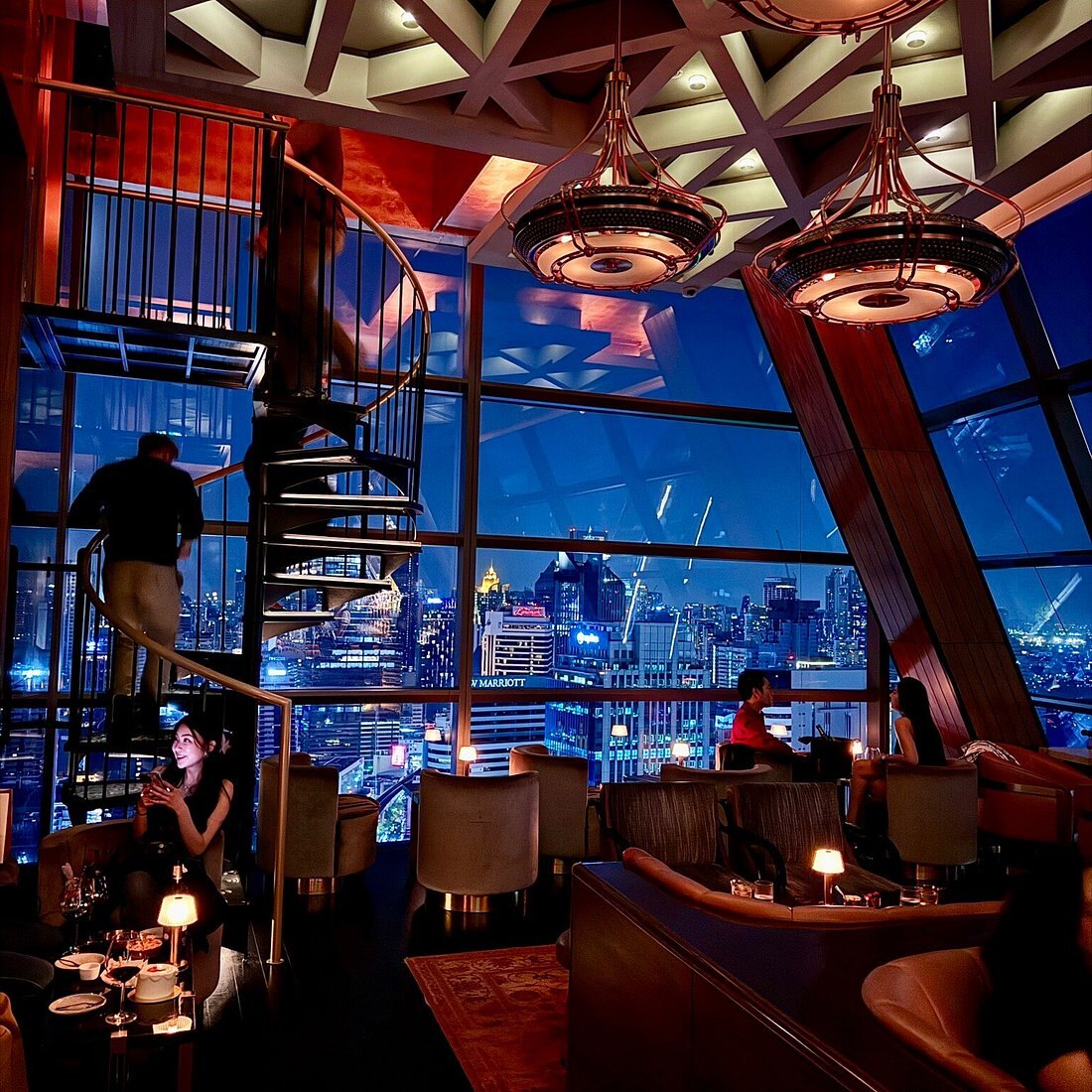
Three to four days covers the old city temples, a private canal journey through Thonburi, and one evening in a hidden rooftop or kitchen, without rushing. Extend to a week or more if Ayutthaya, Kanchanaburi or Khao Yai are folded in — all three sit close enough to reach without flying, which is why we build them into Bangkok journeys rather than selling them separately.
Is Ayutthaya worth a day trip from Bangkok?
Yes — Ayutthaya sits about ninety minutes north and was the Siamese capital for four centuries until it burned in 1767. Its brick prangs, headless Buddhas and the tree root grown around a stone head at Wat Mahathat are best seen at last light, once the coach groups have moved on, which is exactly when we schedule the visit.
Begin Your Journey
Bangkok.
Entirely yours.
Tell us what draws you to this region — the temples, the coast, the cuisine, or something you cannot yet name. Your SALA curator will respond within 24 hours.
Begin your Bangkok journeyAll journeys are entirely private · No group tours · Tailor-made for you