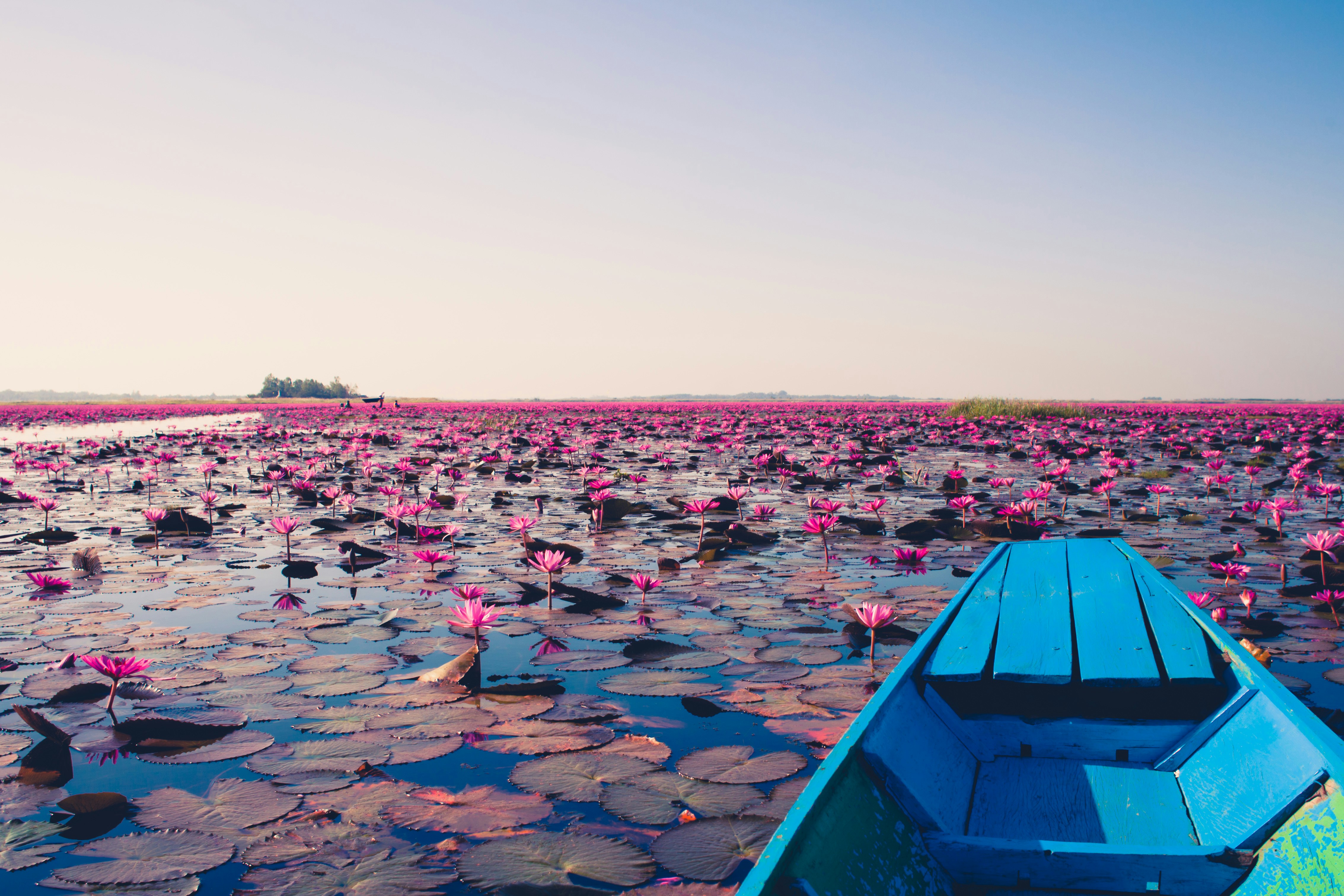
Isan & The Northeast
Thailand's best-kept secret. Vast rice paddies stretch to the horizon. Ancient Khmer temples rival Angkor in beauty, without the crowds.
Begin Your JourneyAbout This Region
Isan is Thailand's open secret. The northeast is where the country's culinary roots run deepest — the larb, the som tum, the sticky rice that fuels a civilisation — and where the Khmer empire left its most extraordinary monuments. Prasat Phanom Rung rises on a spent volcano, its stone causeway aligned with the sunrise on April 3rd with a precision that still defies explanation.
The region moves at a pace that Bangkok and the south have long forgotten. Villages receive visitors not as tourists but as curiosities and, eventually, friends. The silk weavers of Surin, the pottery workshops of Dan Kwian, the river ferries that connect Nakhon Phanom to Laos across the Mekong — each is a point of contact with a Thailand that remains largely undiscovered.
Because Isan receives so few private-journey visitors, every experience we design here is genuinely bespoke. There are no set itineraries, no standard routes. We work with you from the beginning — learning what draws you, what kind of pace you keep, what you hope to understand — and build the journey from that.
Featured Journey
How we travel here
Bespoke Only
A Bespoke Isan Journey
Isan receives too few considered travellers to support a fixed itinerary. Every journey here begins with a conversation.
Design Your JourneyWhere You Rest
Stays in Isan
A Riverside House on the Mekong
Nakhon Phanom
A riverside property above the Mekong, where mornings begin with monks crossing from Laos and evenings end with the river turning bronze at sunset.
Private Guesthouse, Ubon
Ubon Ratchathani
A curated guesthouse experience in the gateway city to the national parks — locally owned, deeply attentive, and a world away from chain accommodation.
Notable Places
Where we take you
The places we build journeys around here — and the hour of the day, or the month of the year, at which each of them is worth your time.
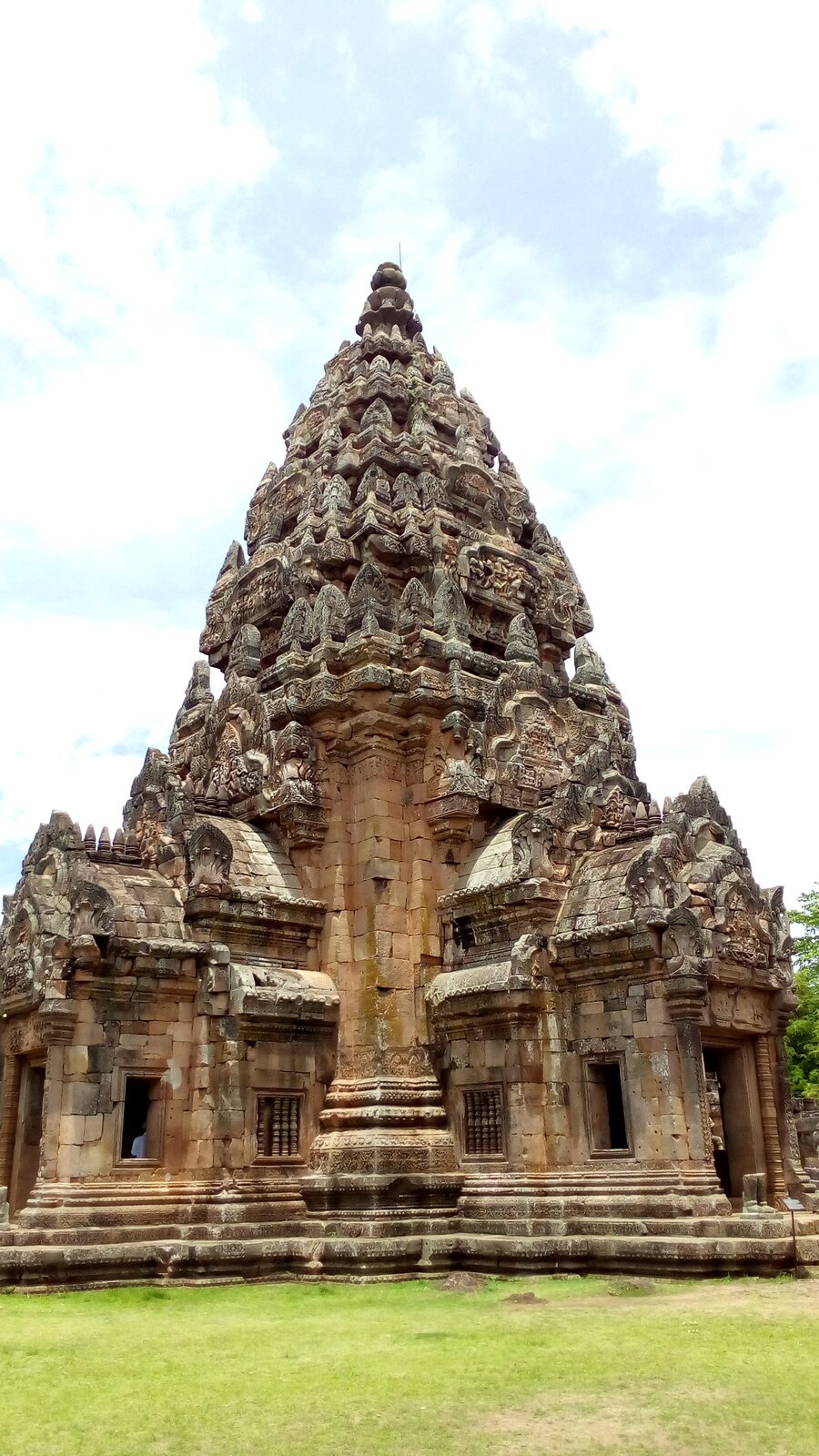
Phanom Rung
Buriram
A Khmer sanctuary of pink sandstone standing on the rim of a spent volcano, contemporary with the great Angkorian building and approached along a long processional causeway. On a handful of days each year the sun aligns straight through all fifteen doorways at once, and the whole structure explains itself.
See the journey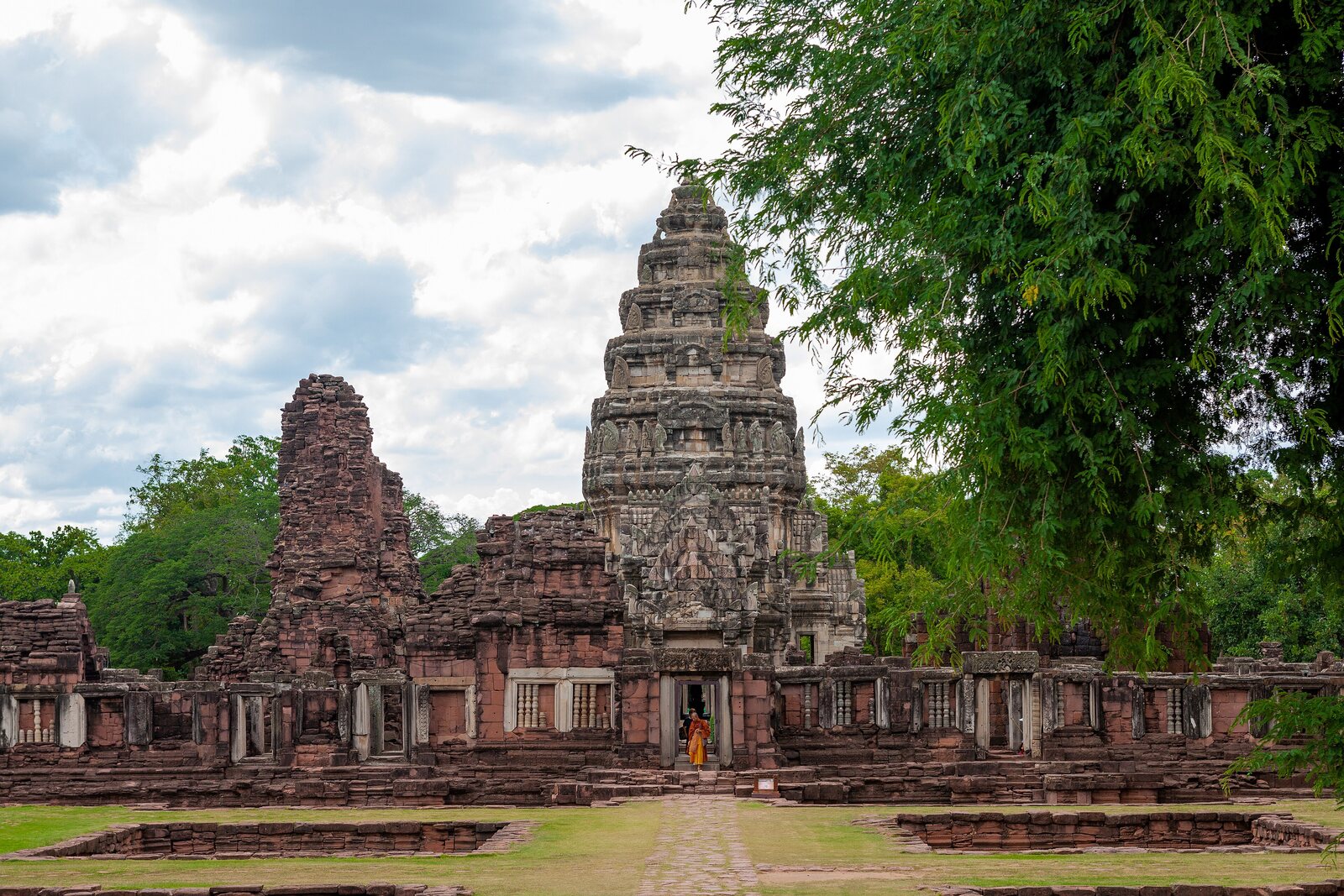
Phimai Historical Park
Nakhon Ratchasima
The largest Khmer complex in Thailand, built before Angkor Wat and oriented, unusually, to the south-east — toward Angkor itself. It sits in the middle of a small market town, so you can walk out of the eleventh century and straight into lunch.
See the journey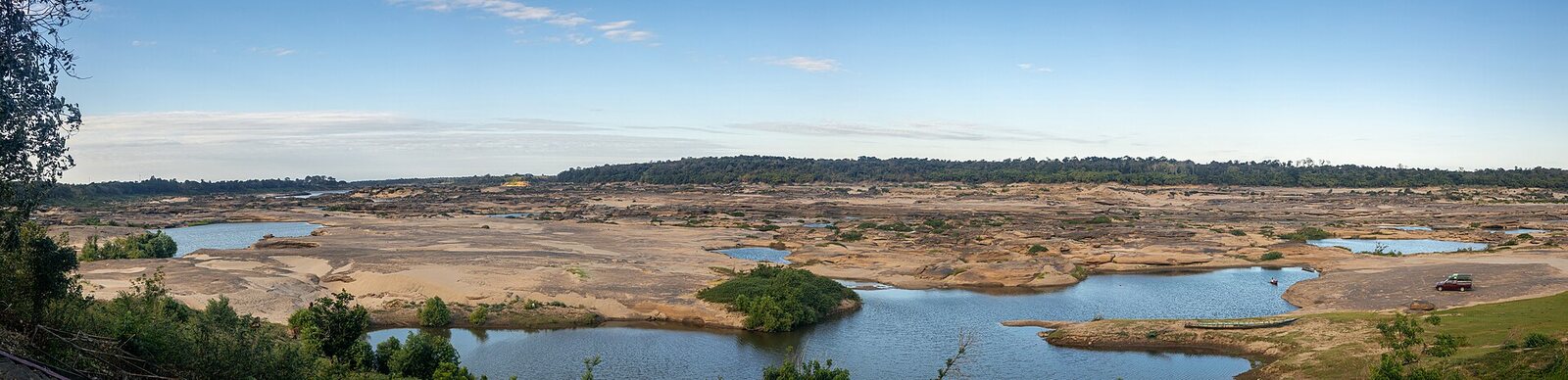
Sam Phan Bok
Ubon Ratchathani
Thousands of hollows worn into the Mekong bedrock over millennia, exposed only when the river falls far enough to reveal them. It is an hour of walking across something close to a lunar surface, and there is almost nobody else there.
See the journey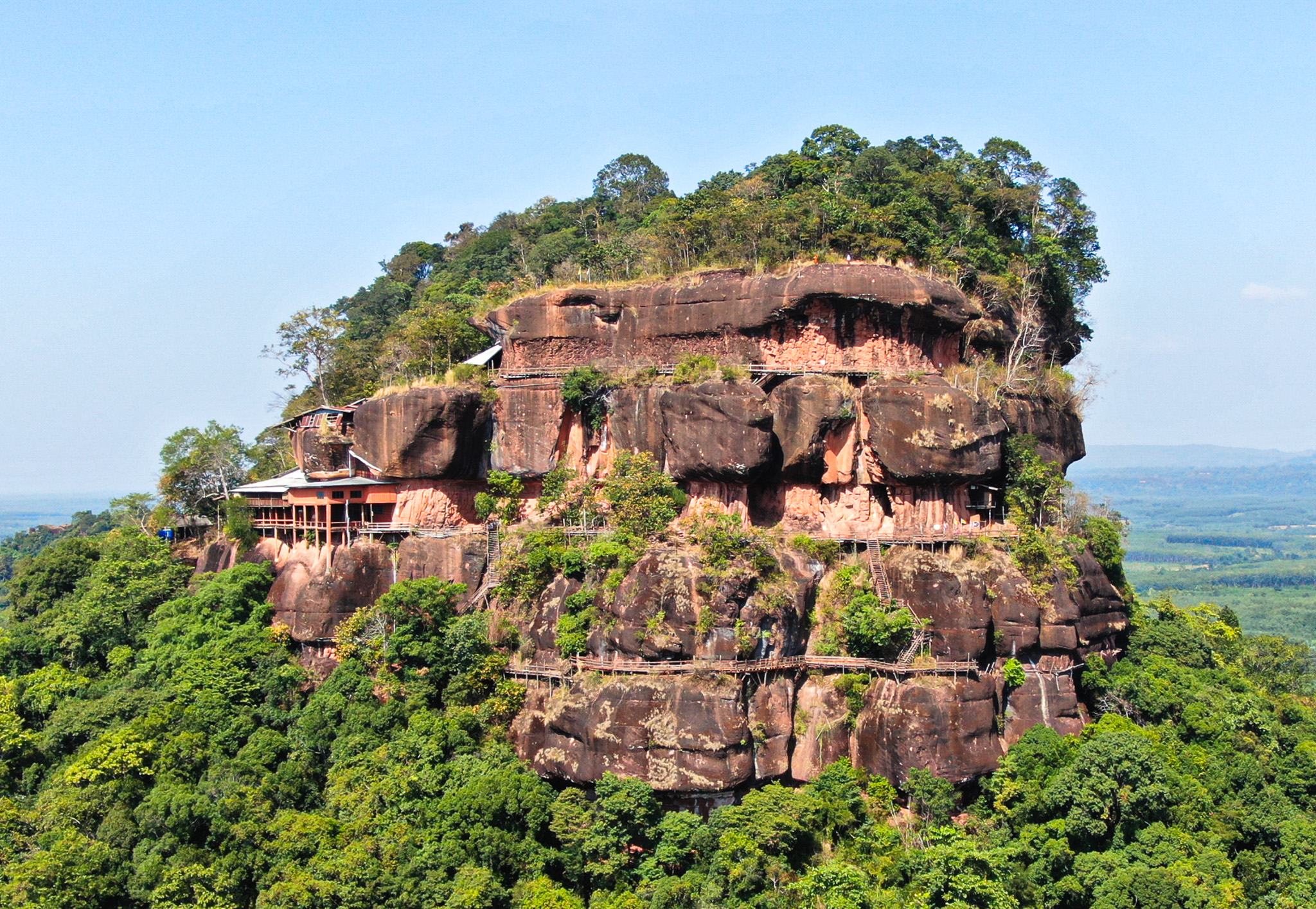
Wat Phu Tok
Bueng Kan
A forest meditation monastery built into a sandstone outcrop near the Lao border, reached by seven levels of wooden walkway pinned to the cliff face. The climb is the practice. The view from the upper terraces is simply what is left over.
See the journey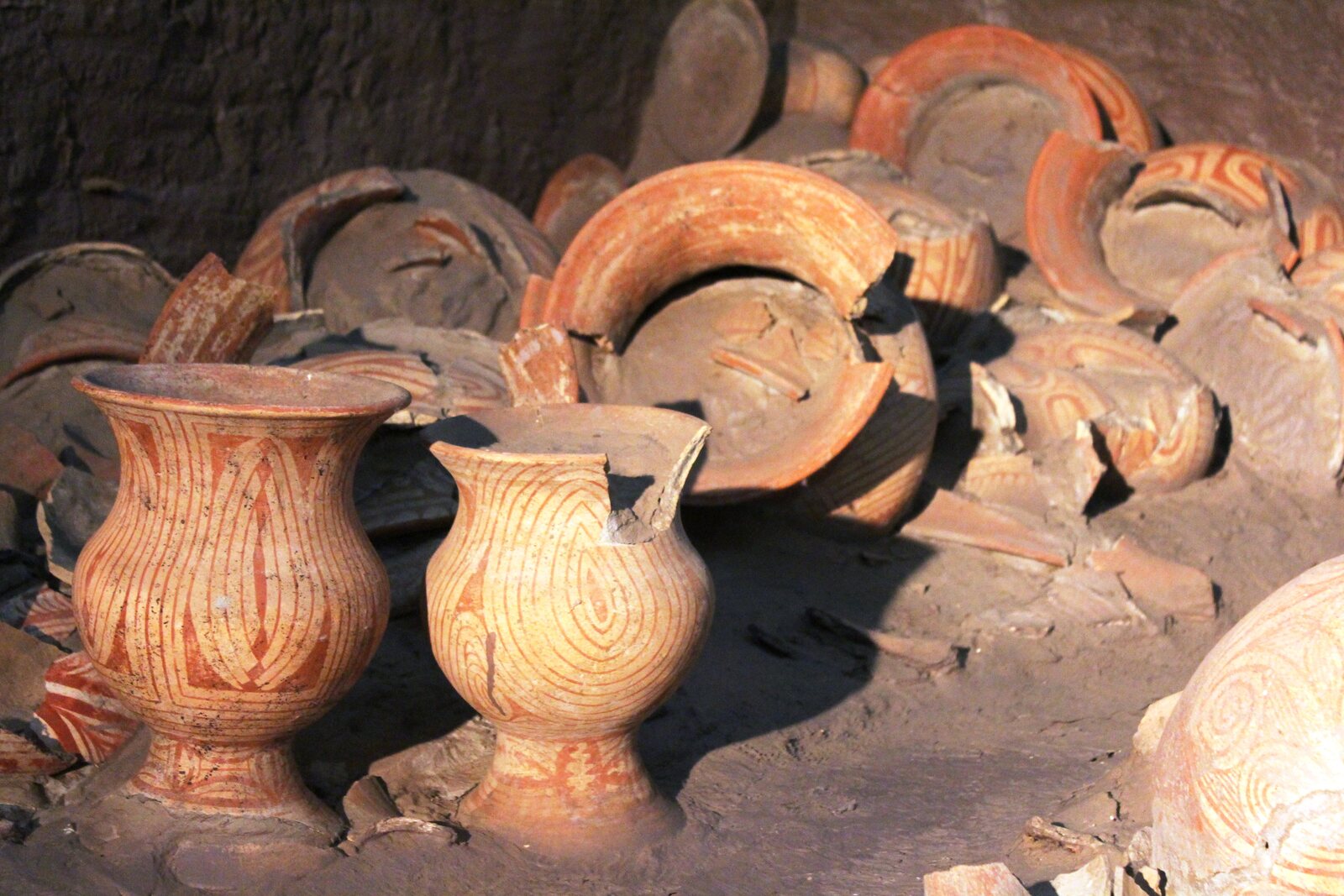
Ban Chiang
Udon Thani
A UNESCO World Heritage site where excavation uncovered one of South-East Asia's earliest settled farming cultures, along with the red-on-buff painted pottery that has become its signature. The museum is small, unusually well made, and almost always empty.
See the journeyAlso worth your time
The second register — the places we add when a journey has the days for them, or when the obvious things are already behind you.
Pha Taem National Park
Ubon Ratchathani
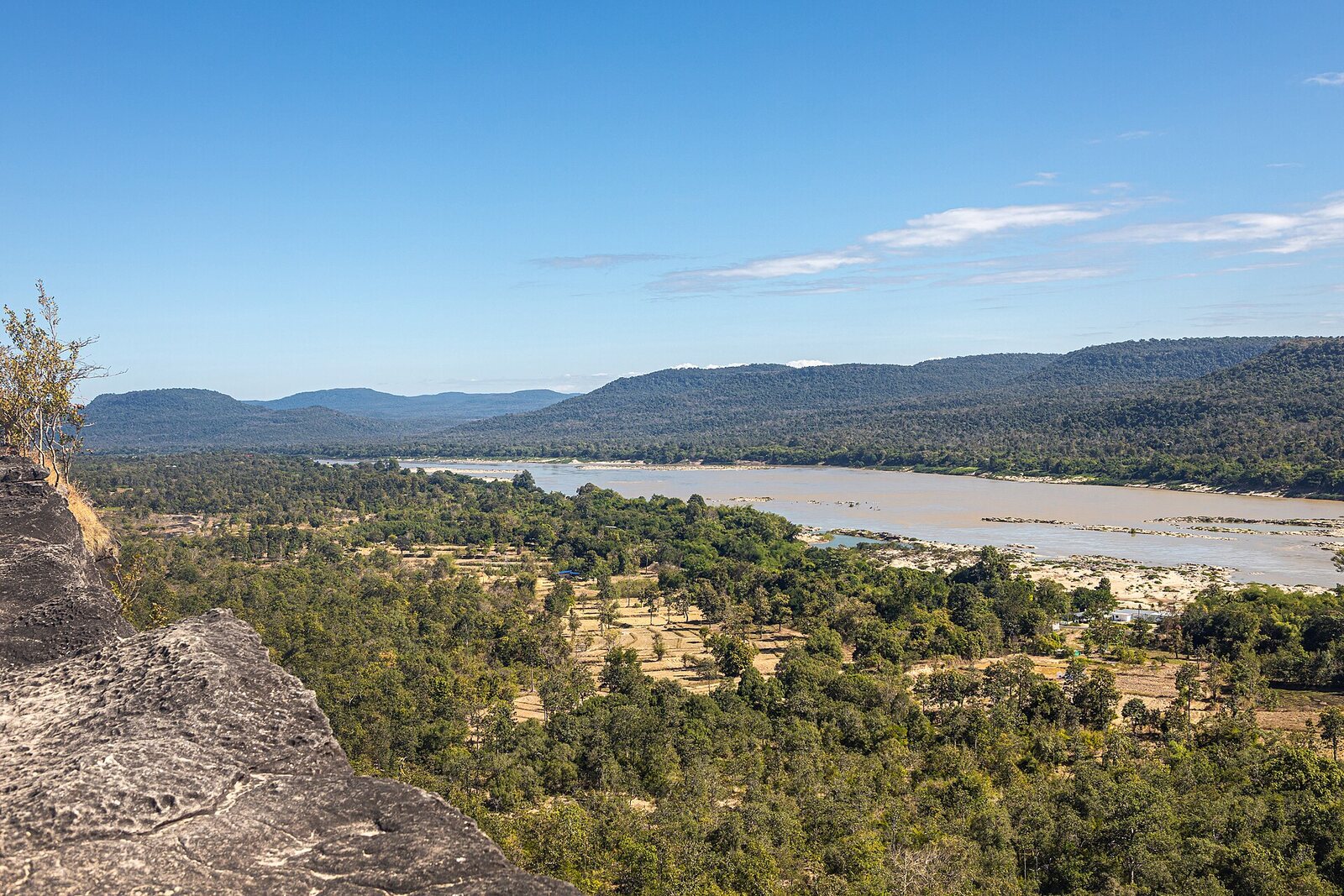
A cliff above the Mekong carrying rock paintings some three thousand years old — fish traps, hands, cattle, a great catfish — with the river and Laos directly below them. The park claims the first sunrise in Thailand, and standing on the eastern lip at dawn the claim feels earned.
Sala Keoku
Nong Khai
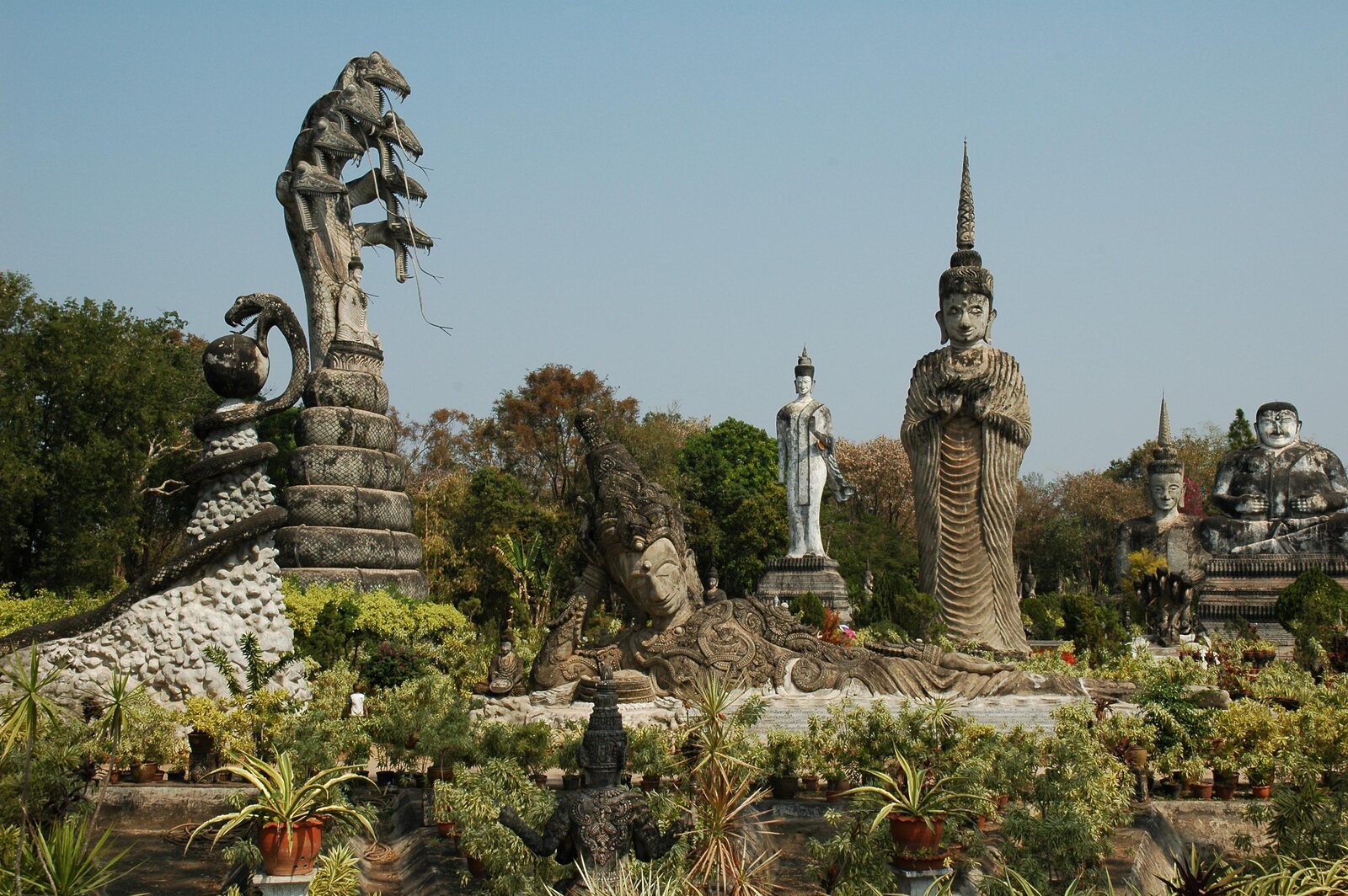
Bunleua Sulilat built two sculpture parks on opposite banks of the Mekong; this is the Thai one, a garden of enormous concrete figures from Buddhist and Hindu cosmology, among them a seated Buddha sheltered by a naga that rises above every tree around it. It is strange, entirely sincere, and almost unvisited. We pair it with an afternoon on the river at Nong Khai.
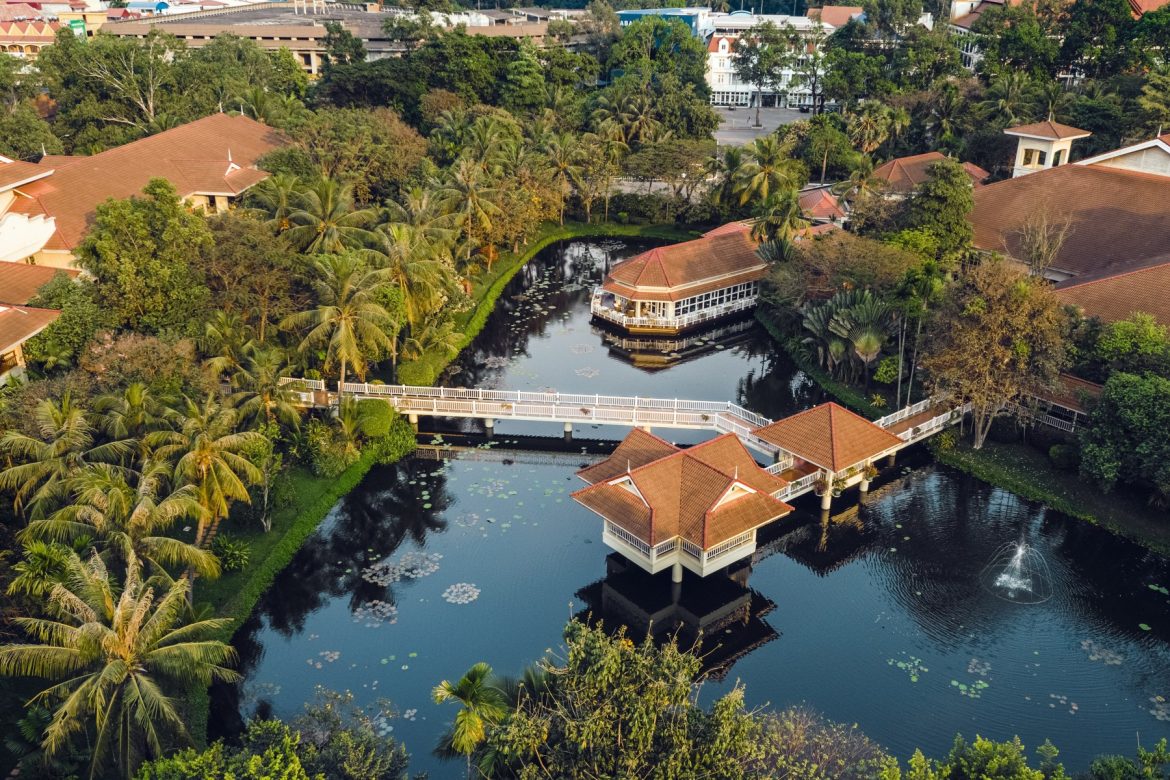
Khong Chiam
Ubon Ratchathani
The Mun runs brown out of Isan into the blue-black Mekong at Khong Chiam and the two waters hold their separate colours for a stretch downstream — the maenam song si, the two-coloured river. It is a quiet town of riverside kitchens at the eastern edge of the country, and the natural base for Pha Taem.
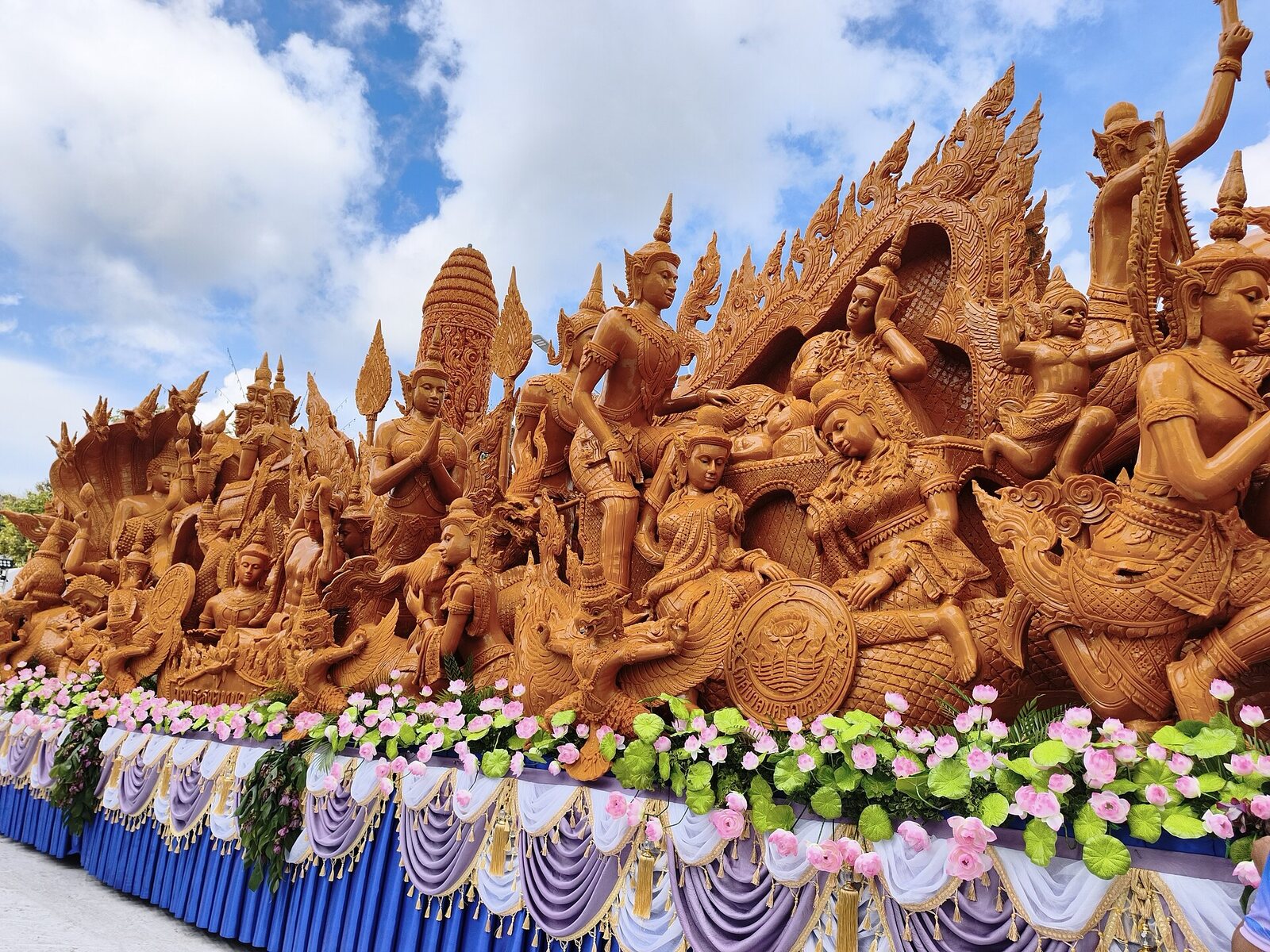
Ubon Ratchathani Candle Festival
Ubon Ratchathani
Ubon carves beeswax into processional candles the size of boats — narrative reliefs worked over months by teams from each temple, then drawn through the city to mark the beginning of the rains retreat. It is the most skilled festival craft in the country, and it is judged in earnest.
Questions
What travellers ask
When is the best time to visit Isan?
November to February brings the coolest, most comfortable weather to the northeast, good for the Khmer temple sites and the river towns along the Mekong. Prasat Phanom Rung deserves particular timing — its stone causeway aligns with the sunrise on 3 April, a precision that draws visitors specifically for that date each year.
How many days do you need for Isan?
Isan receives too few private-journey visitors to support a fixed itinerary, so journeys here run five to seven days and begin as a genuine conversation rather than a set route. That is enough time for Prasat Phanom Rung, the silk weavers of Surin, and a Mekong sunset ferry crossing near Nakhon Phanom.
What makes Isan different from the rest of Thailand?
Isan is Thailand's open secret — the country's culinary roots run deepest here, in the larb, som tum and sticky rice that built a civilisation, and the Khmer empire left its most extraordinary monuments here rather than further south. Villages receive visitors as curiosities and, eventually, friends, rather than as tourists passing through.
Begin Your Journey
Isan.
Entirely yours.
Tell us what draws you to this region — the temples, the coast, the cuisine, or something you cannot yet name. Your SALA curator will respond within 24 hours.
Begin your Isan journeyAll journeys are entirely private · No group tours · Tailor-made for you