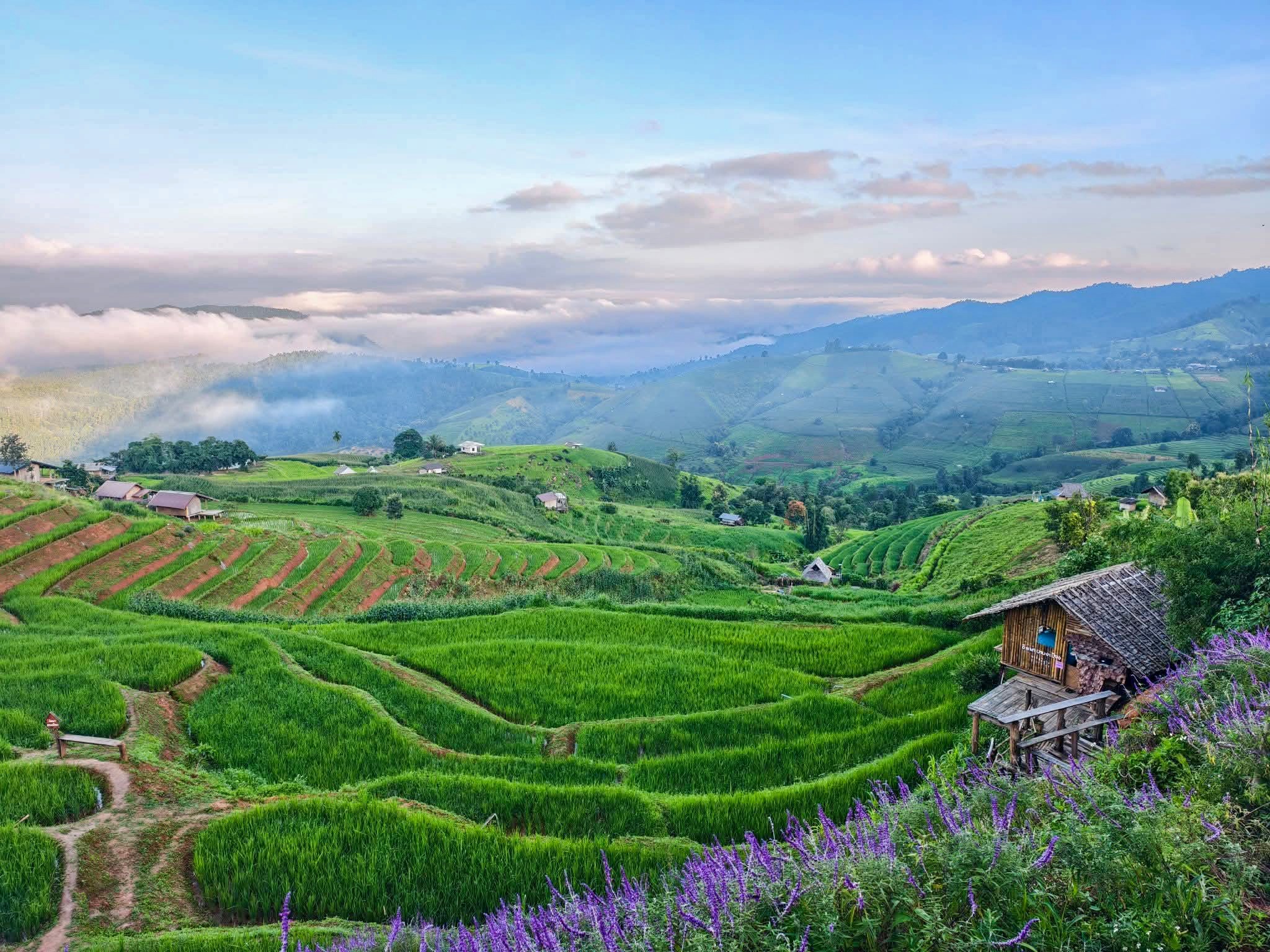
Northern Thailand
The ancient Lanna kingdom stretches from Chiang Mai's moated old city to the mist-wrapped peaks of the Golden Triangle. Here, time moves differently.
Begin Your JourneyAbout This Region
The ancient Lanna kingdom stretches from Chiang Mai's moated old city north to the mist-wrapped peaks of the Golden Triangle. This is where Thailand breathes most deeply — where monks in saffron walk the same lanes they have walked for six centuries, where hill-tribe villages receive visitors as honoured guests rather than travellers passing through.
Chiang Mai's old city rewards the unhurried. Its 300 temples are not a checklist — they are a living civilisation. We introduce you to the restoration artists working quietly on their interiors, the silversmiths of Wualai Road, the organic farmers of the Mae Sa valley whose food feeds the city's finest tables.
Further north, Chiang Rai offers a different register entirely. The White Temple in morning stillness. The Blue Temple's lapis lacquer before the day's light shifts. And beyond both — the golden pagodas of Doi Inthanon presiding over the highest point in the Kingdom.
Featured Journey
How we travel here
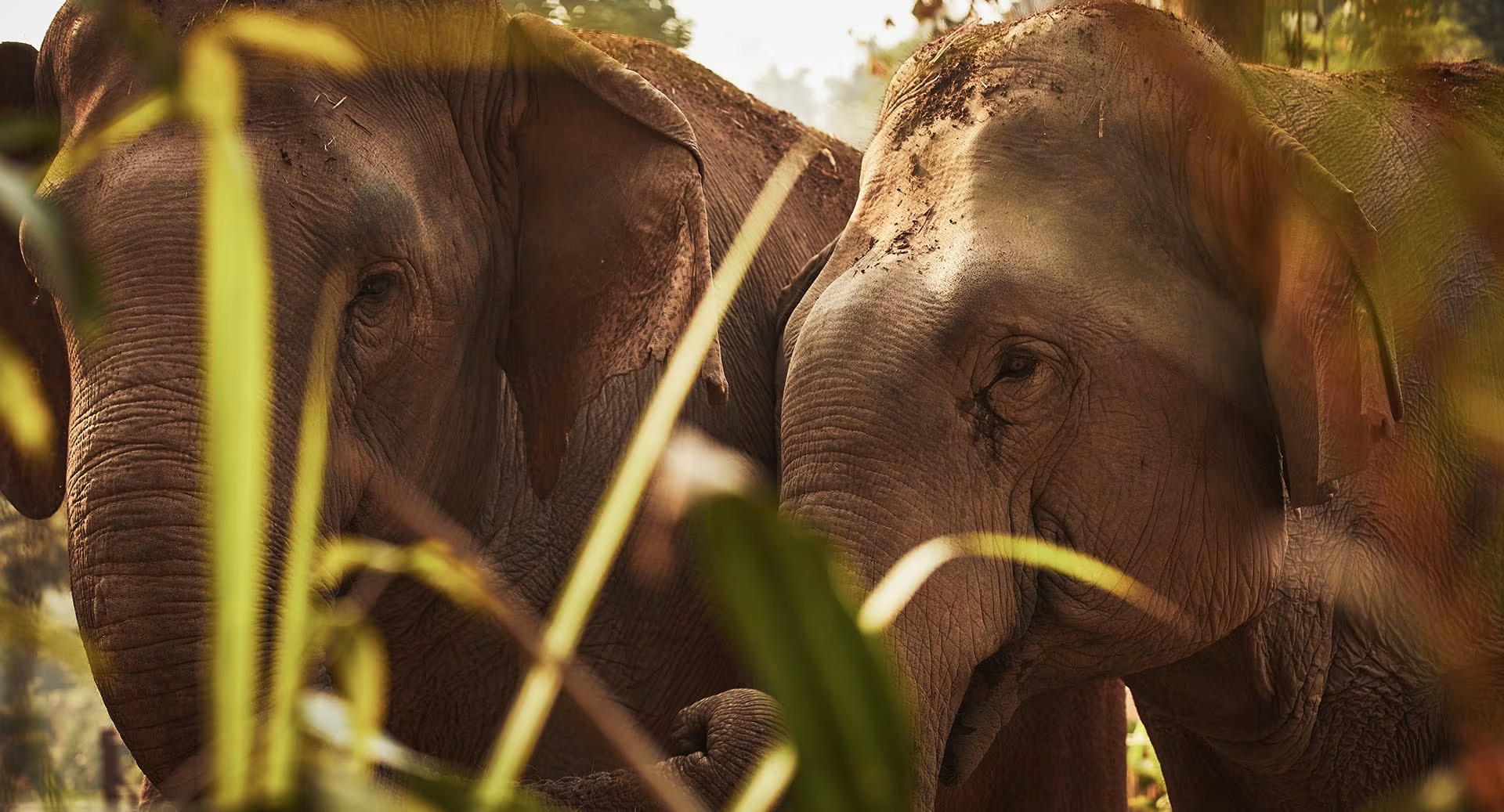
7 – 10 Nights
Northern Thailand
Misty mountains, ancient kingdoms, and the temples few travellers ever discover — a private journey through the Lanna heartland.
Explore this journeyWhere You Rest
Stays in Northern
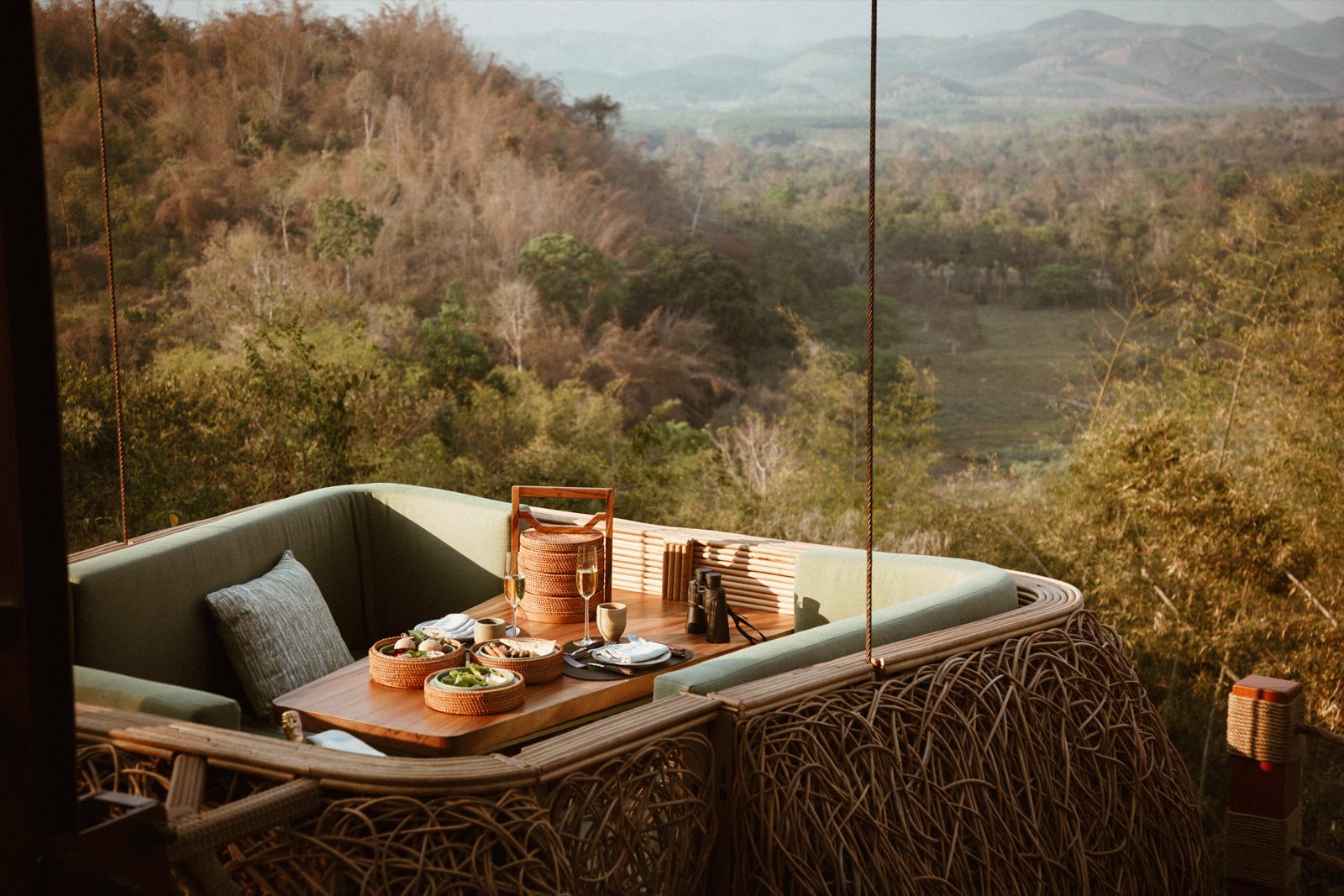
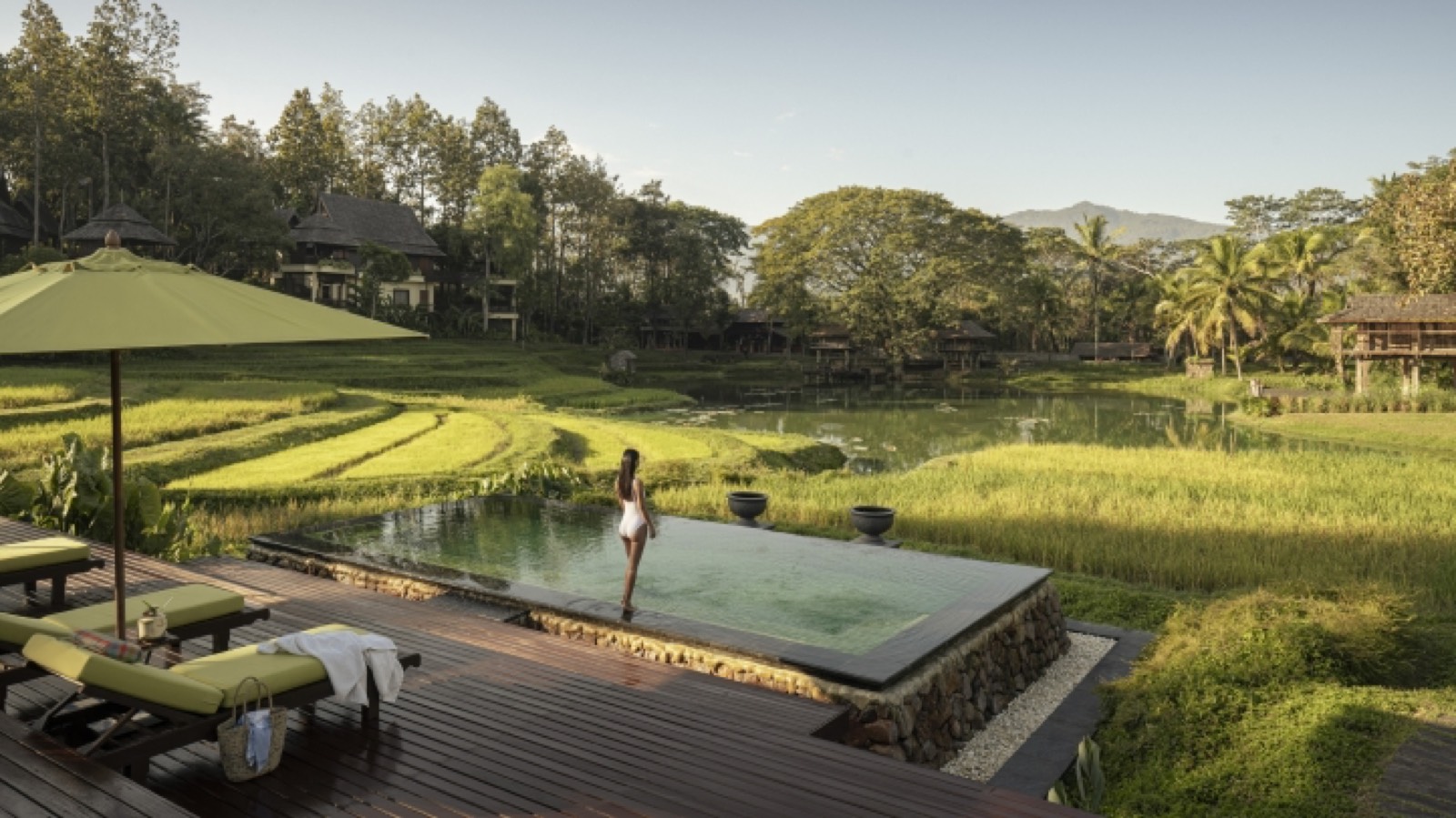
Four Seasons Chiang Mai
Mae Rim Valley, Chiang Mai
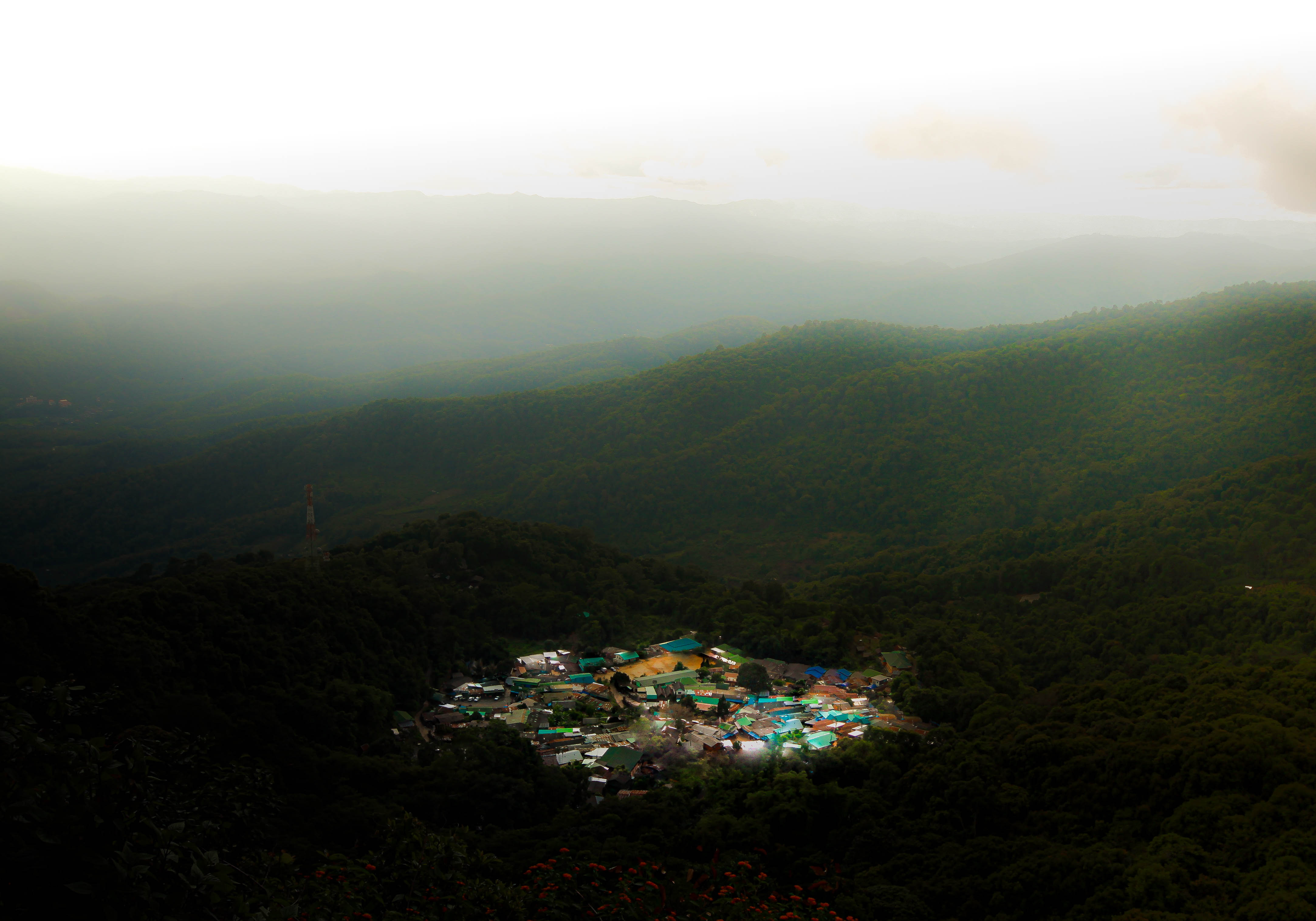
Lanna pavilions and villa terraces set around working rice terraces and a lily pond in the Mae Rim valley, half an hour north of the old city.

Notable Places
Where we take you
The places we build journeys around here — and the hour of the day, or the month of the year, at which each of them is worth your time.
Wat Phra That Doi Suthep
Chiang Mai
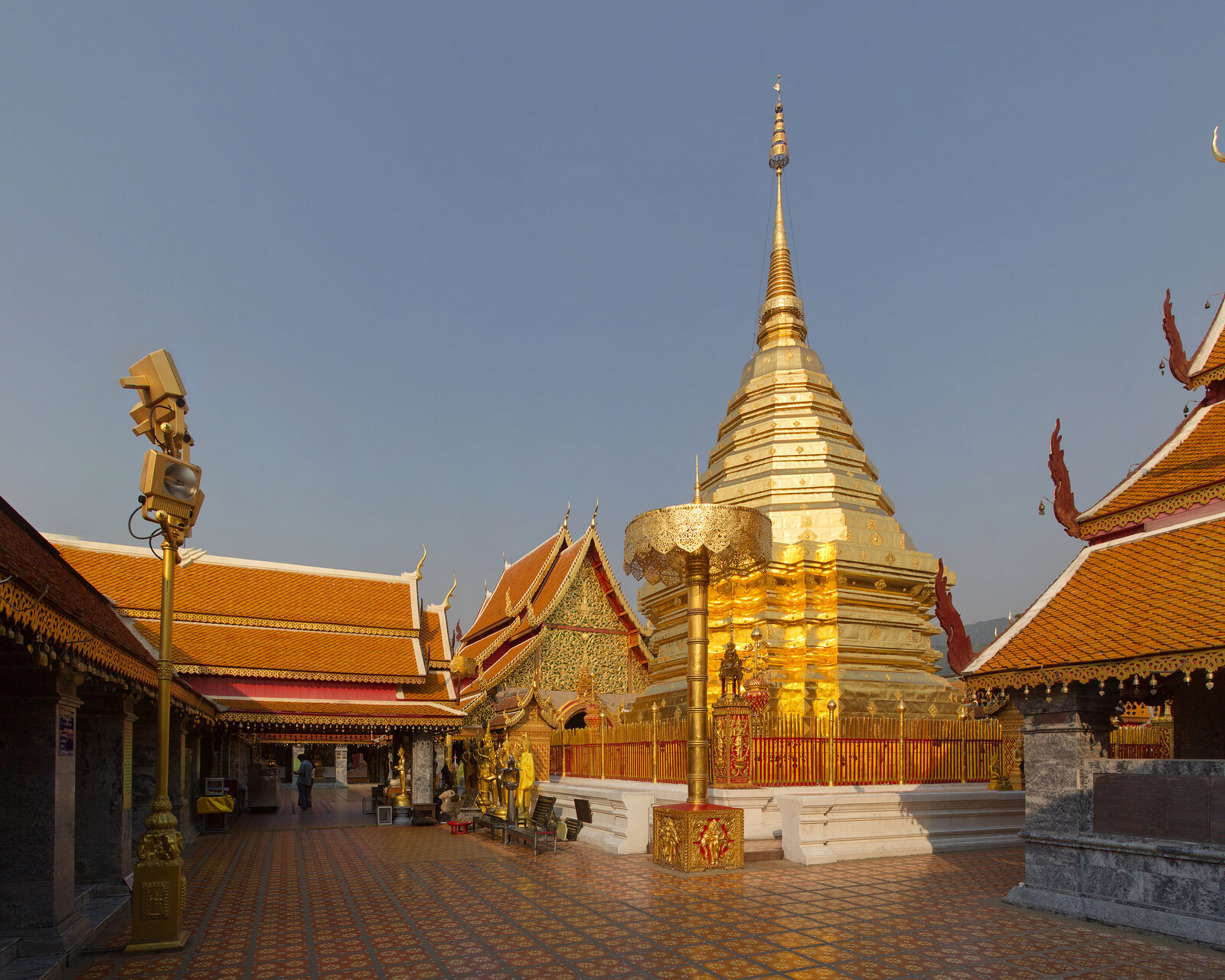
The temple stands on the mountain above Chiang Mai at the top of a 306-step naga staircase, and its golden chedi is the city's defining silhouette. We go before seven, while the mist is still in the trees and the morning chanting is under way.
See the journey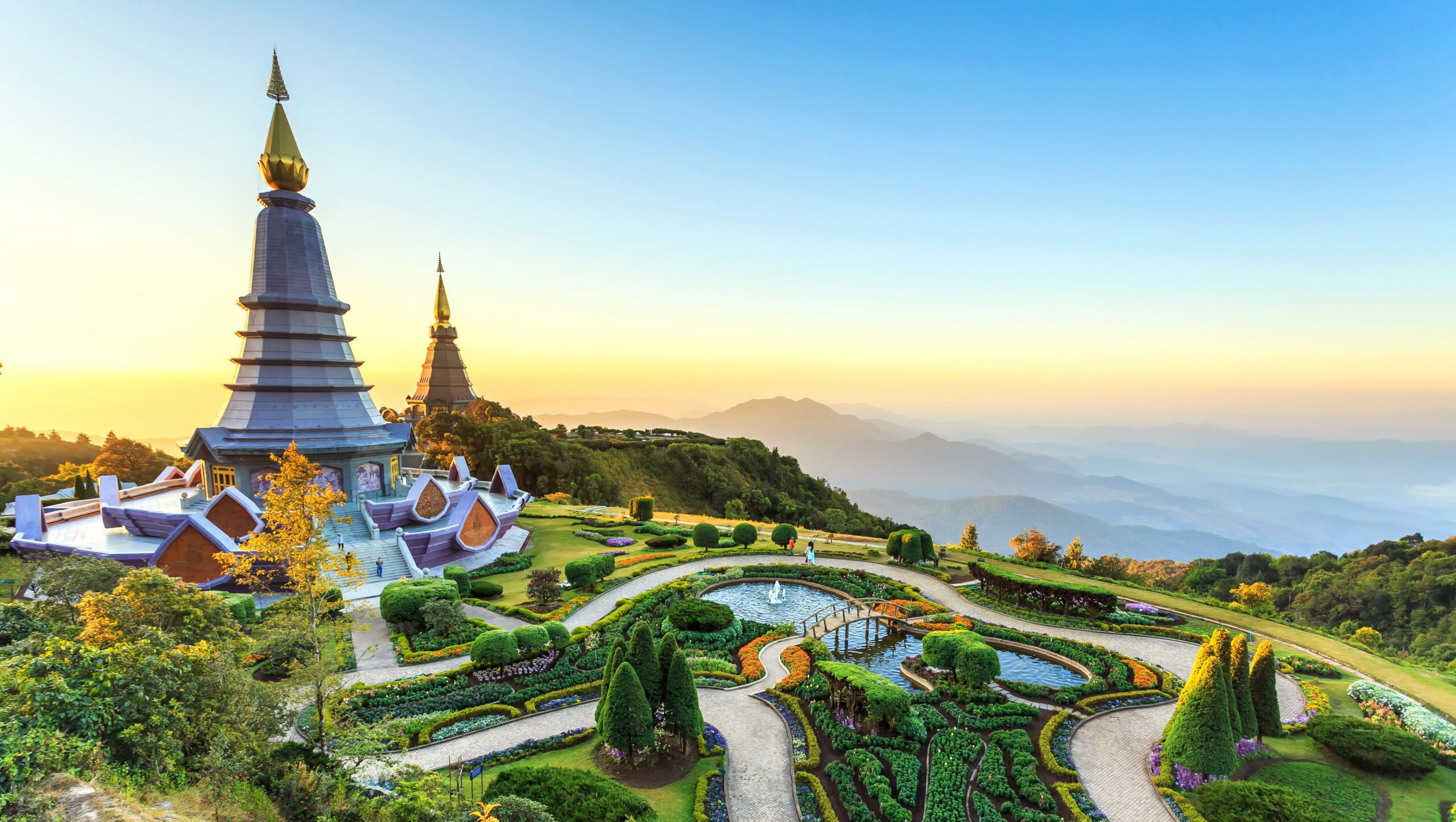
Doi Inthanon
Chiang Mai
The highest point in the Kingdom at 2,565 metres, with cloud forest, the twin royal chedis on the shoulder below the summit, and air genuinely cold enough to need a coat before dawn. We climb it early and come back down through the Mae Klang valley.
See the journey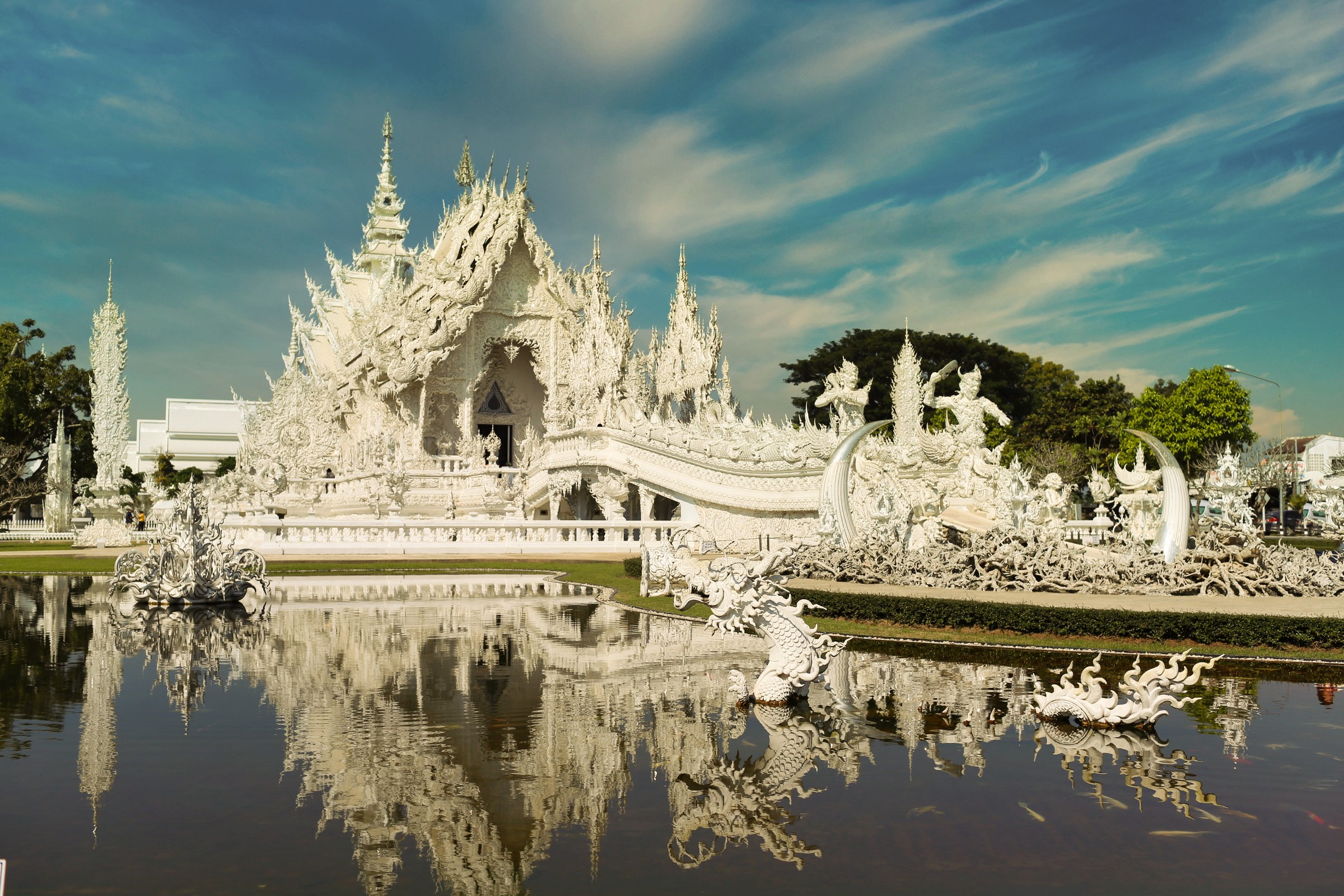
Wat Rong Khun
The White Temple
Chiang Rai
Chalermchai Kositpipat's white temple is not an ancient site but a working artwork, begun in 1997 and still unfinished — mirrored white plaster, and a bridge crossing a field of reaching hands. We arrive at opening, before the coaches come up from Chiang Mai.
See the journey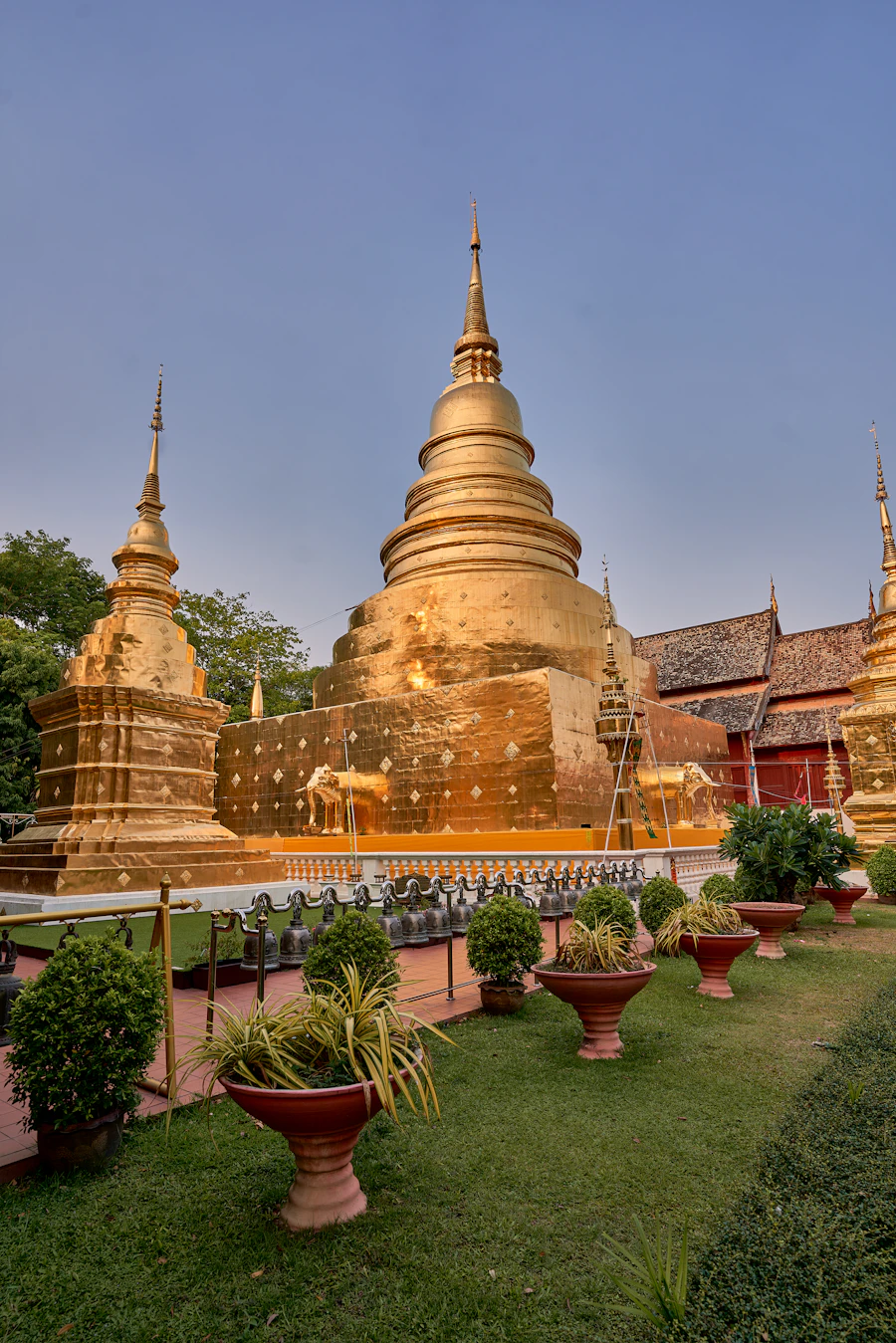
Wat Phra Singh
Chiang Mai
The most complete Lanna temple inside Chiang Mai's old city, and the one that repays a slow look: the Viharn Lai Kham holds murals of everyday northern life painted low enough on the wall to read like a book. We visit on foot, as part of a longer walk through the moat quarter.
See the journey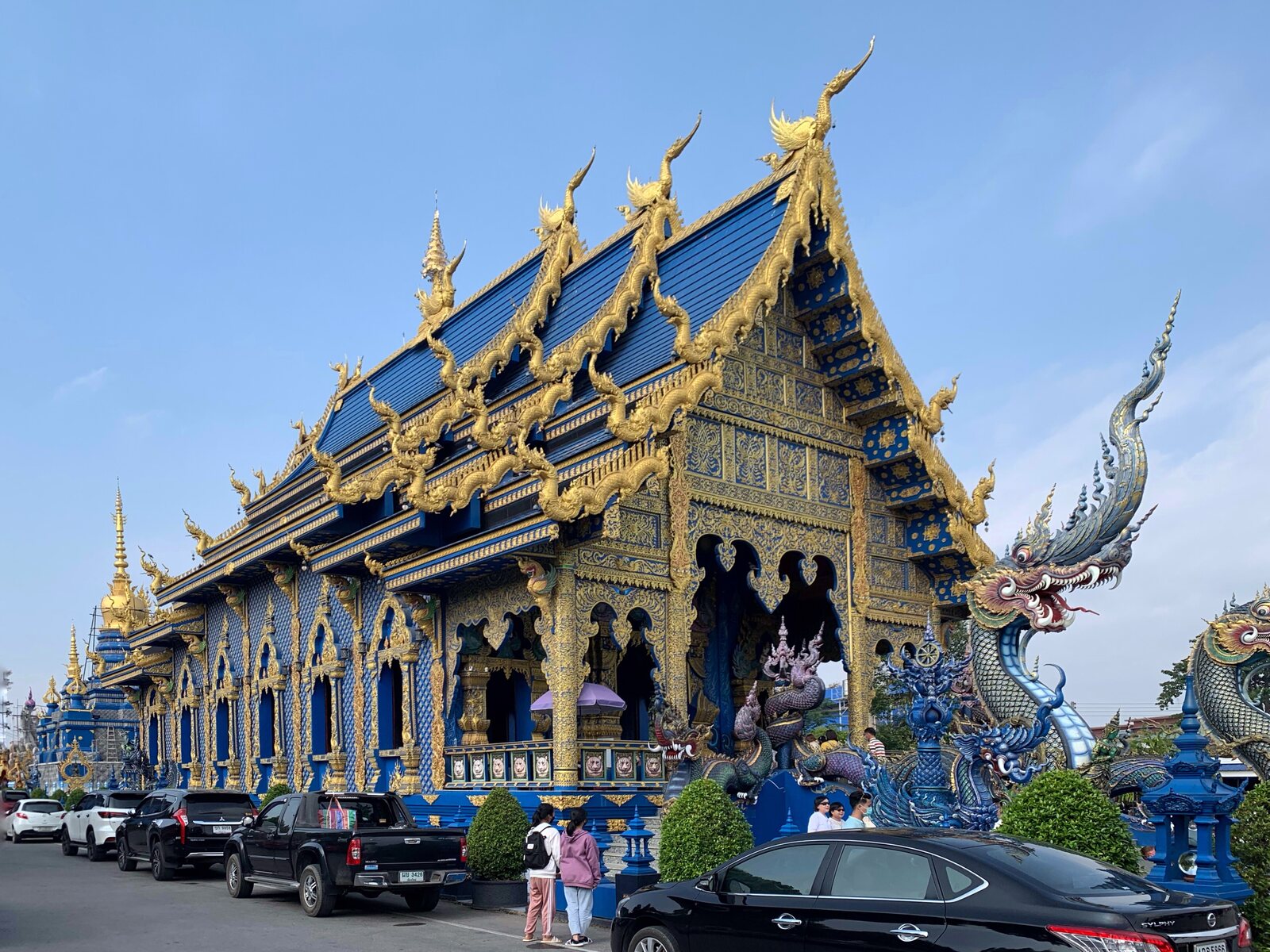
Wat Rong Suea Ten
The Blue Temple
Chiang Rai
The Blue Temple is the White Temple's counterpoint — indigo and gold, with a luminous white seated Buddha at its centre and a ceiling worth lying down for. It sits a short drive from Wat Rong Khun, and we pair the two in one unhurried morning rather than two rushed ones.
See the journey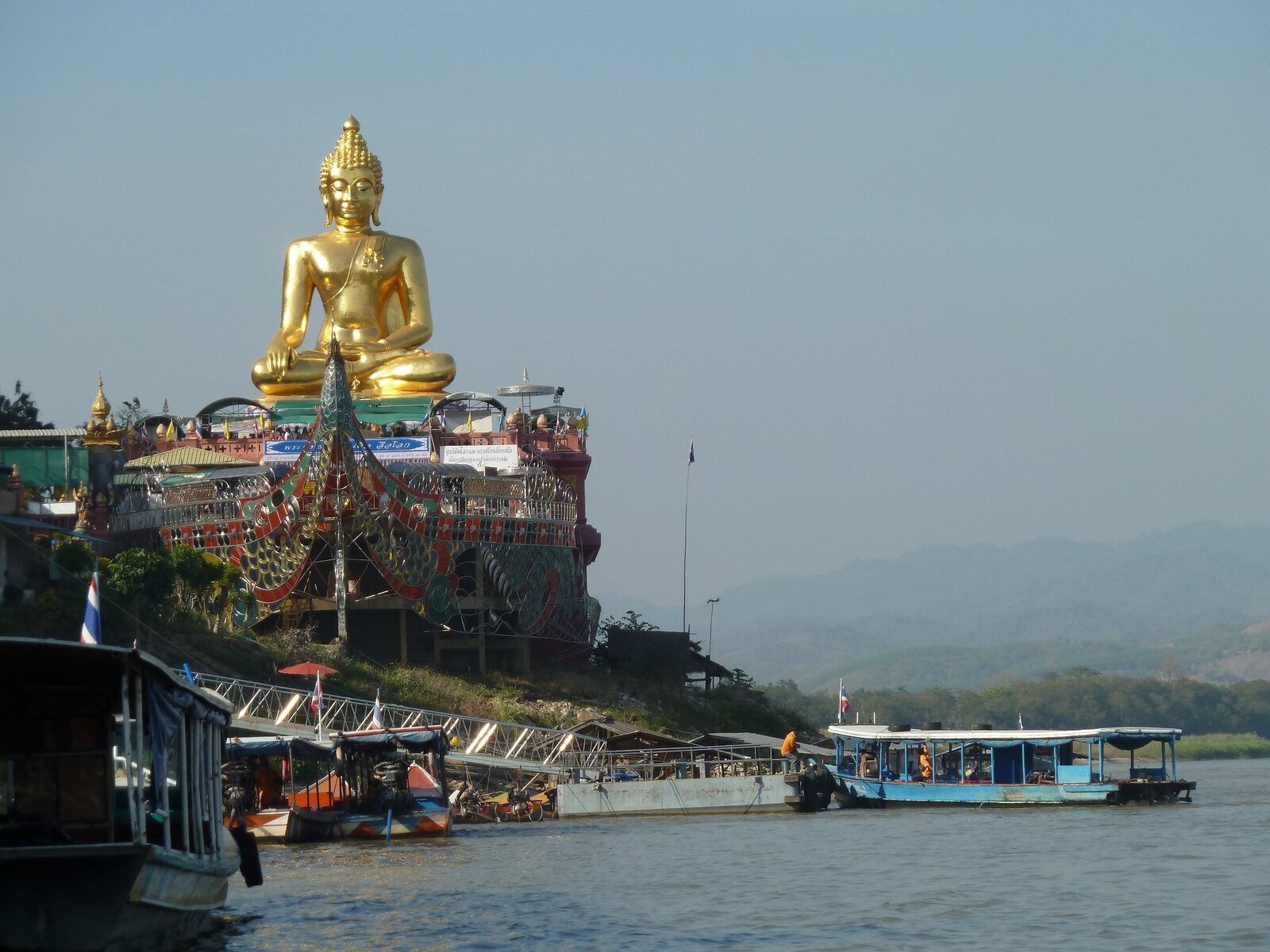
The Golden Triangle
Chiang Rai
Where the Ruak meets the Mekong, and Thailand, Laos and Myanmar meet with it. The opium history is told properly and unsentimentally at the Hall of Opium; the rest is river, and it is best seen from the water at the end of the day.
See the journey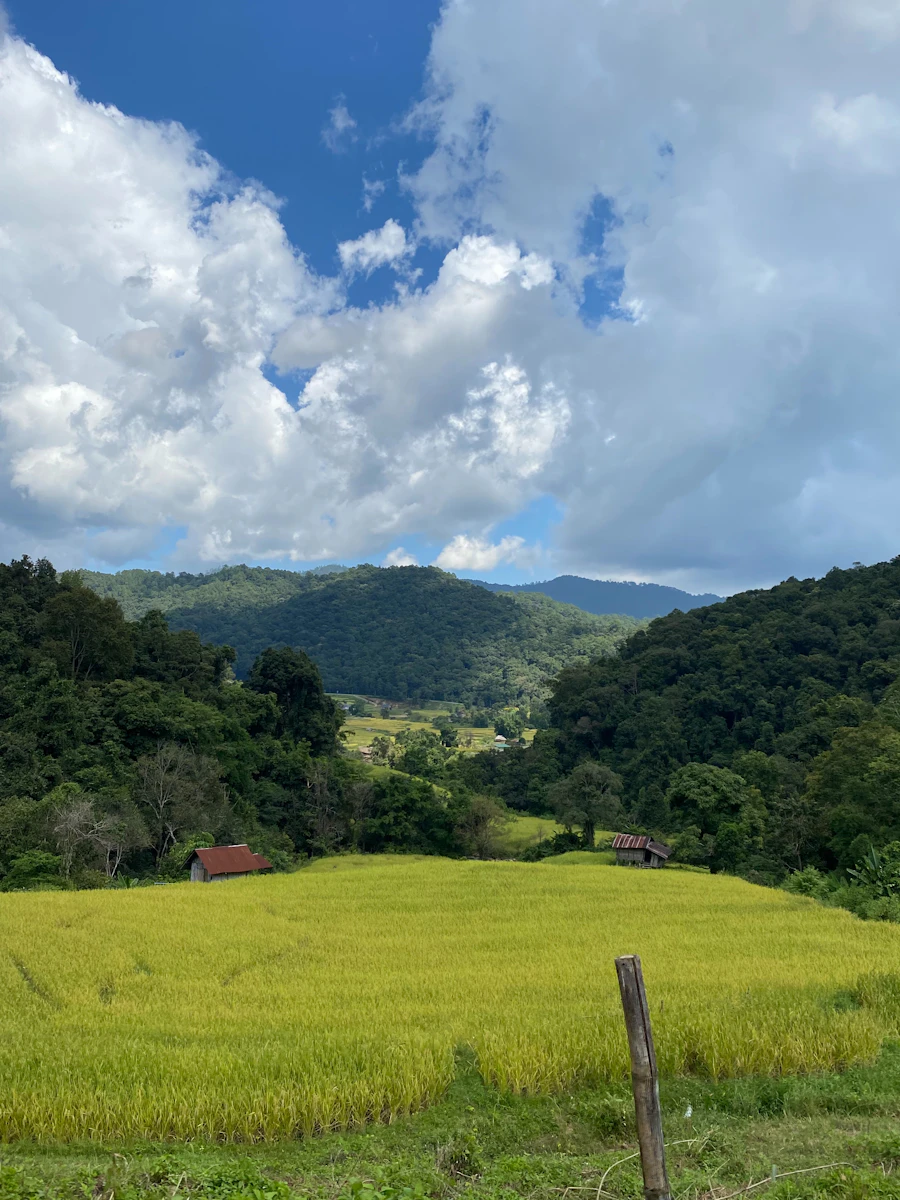
Pai & the Mae Hong Son Loop
Mae Hong Son
The loop runs some six hundred kilometres of mountain road between Chiang Mai, Pai and Mae Hong Son, through the 1,864 curves the road signs are famous for counting. We drive it over three or four days with a private car and driver, which is the only arrangement that makes it a pleasure rather than an endurance.
Also worth your time
The second register — the places we add when a journey has the days for them, or when the obvious things are already behind you.
Wat Chedi Luang
Chiang Mai
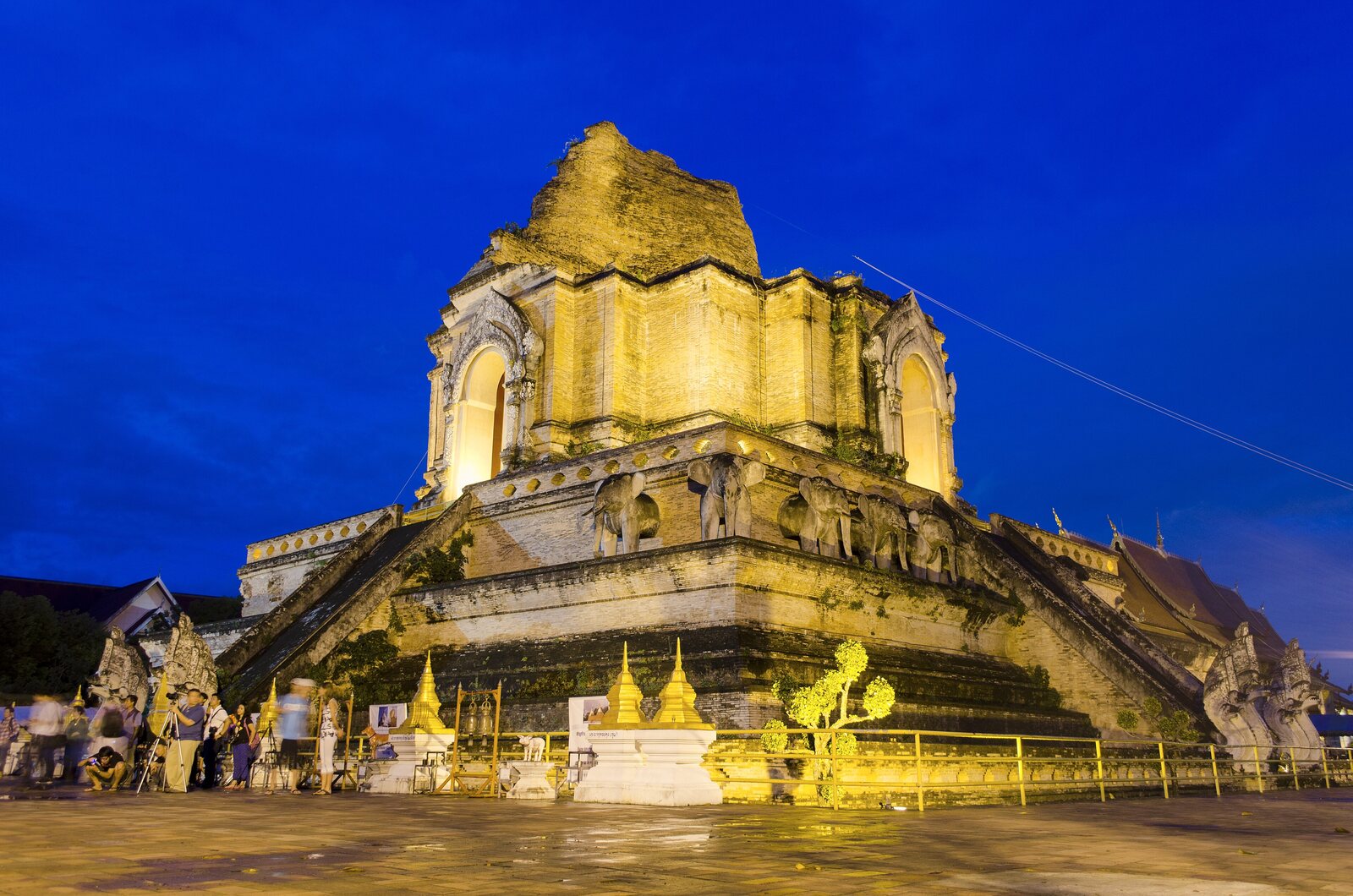
The great chedi at the centre of the old city was raised in the fifteenth century, held the Emerald Buddha for some eighty years, and lost its upper third to an earthquake in 1545. It has been left broken rather than rebuilt, which is precisely why it is the most affecting building in Chiang Mai. We come at dusk, when the courtyard empties and the brick holds the last of the heat.
Baan Dam
The Black House
Nang Lae, Chiang Rai
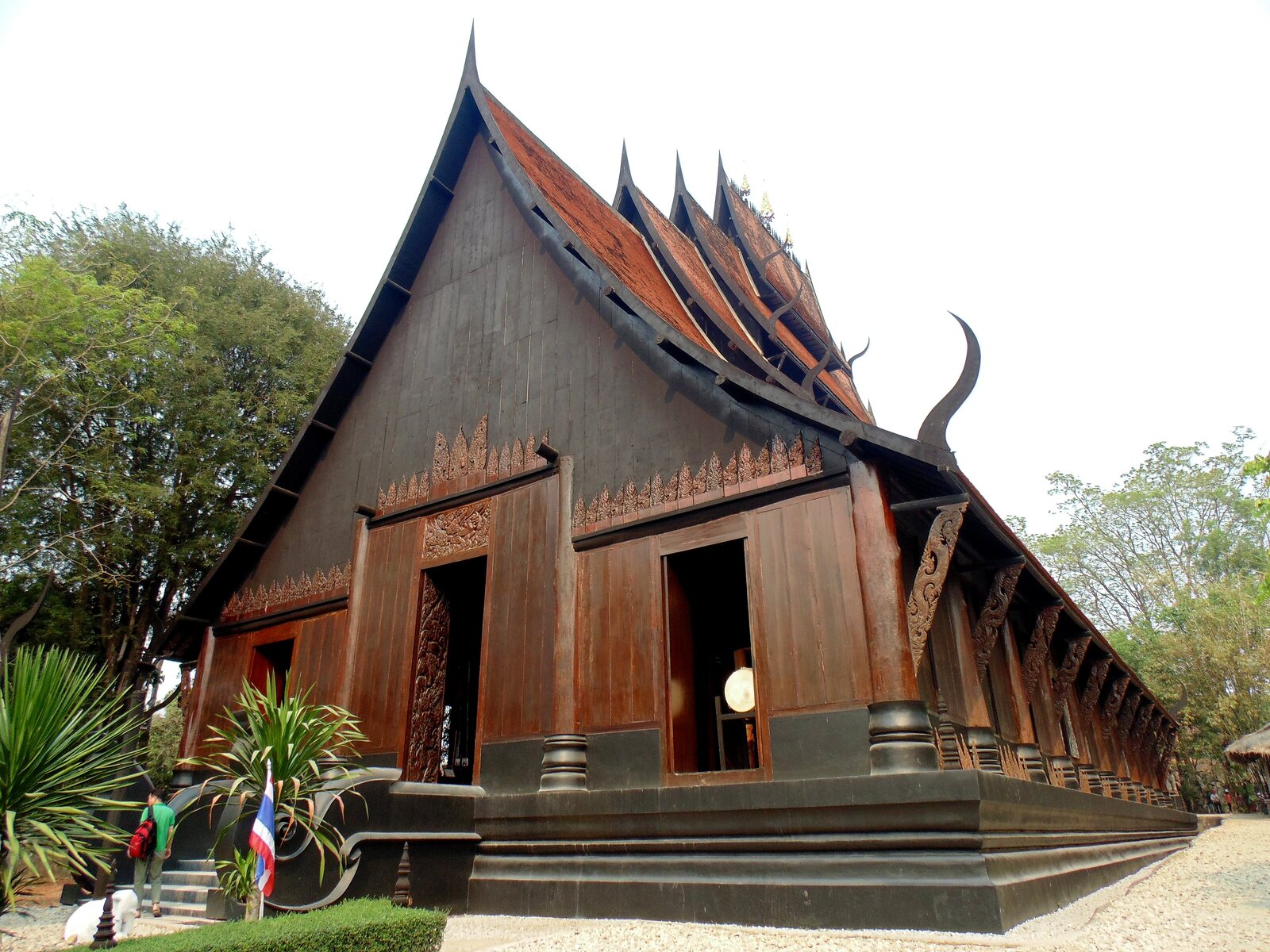
Thawan Duchanee spent four decades building the Black House — some forty dark teak pavilions holding hides, horn, bone and buffalo skulls, arranged with absolute precision. It is the deliberate shadow to Wat Rong Khun's white, and the pairing is the point of seeing either. We take them in one morning, in that order, with someone who can talk about the work rather than around it.
Pai
Mae Hong Son
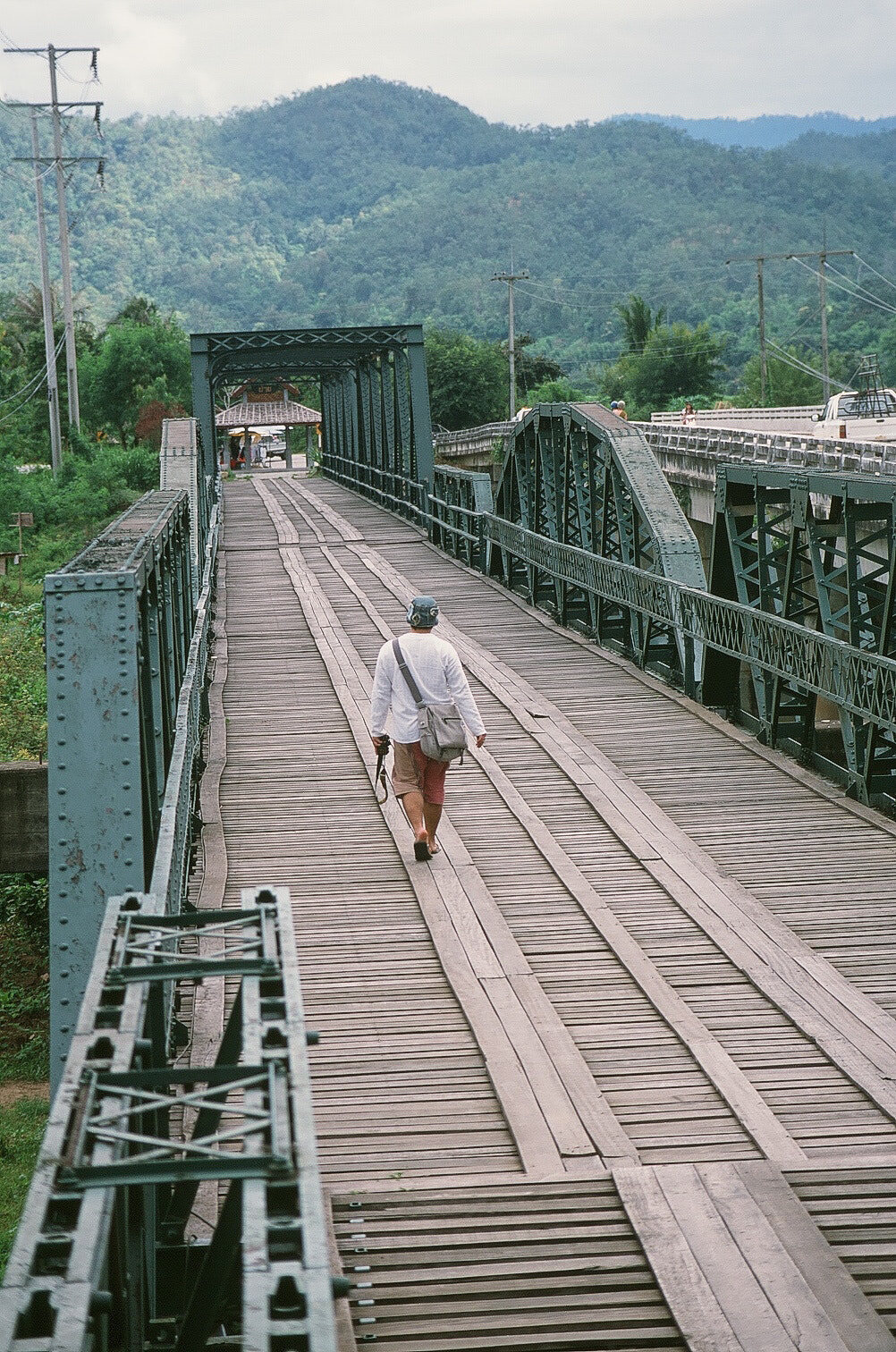
Pai sits in a valley three hours north of Chiang Mai — a small Shan town of wooden shopfronts with hot springs, a canyon and a river running out through the rice. Its reputation belongs to the evenings; the mornings disprove it entirely. We use it as the first night of the Mae Hong Son loop rather than a destination in itself, and we are out early.
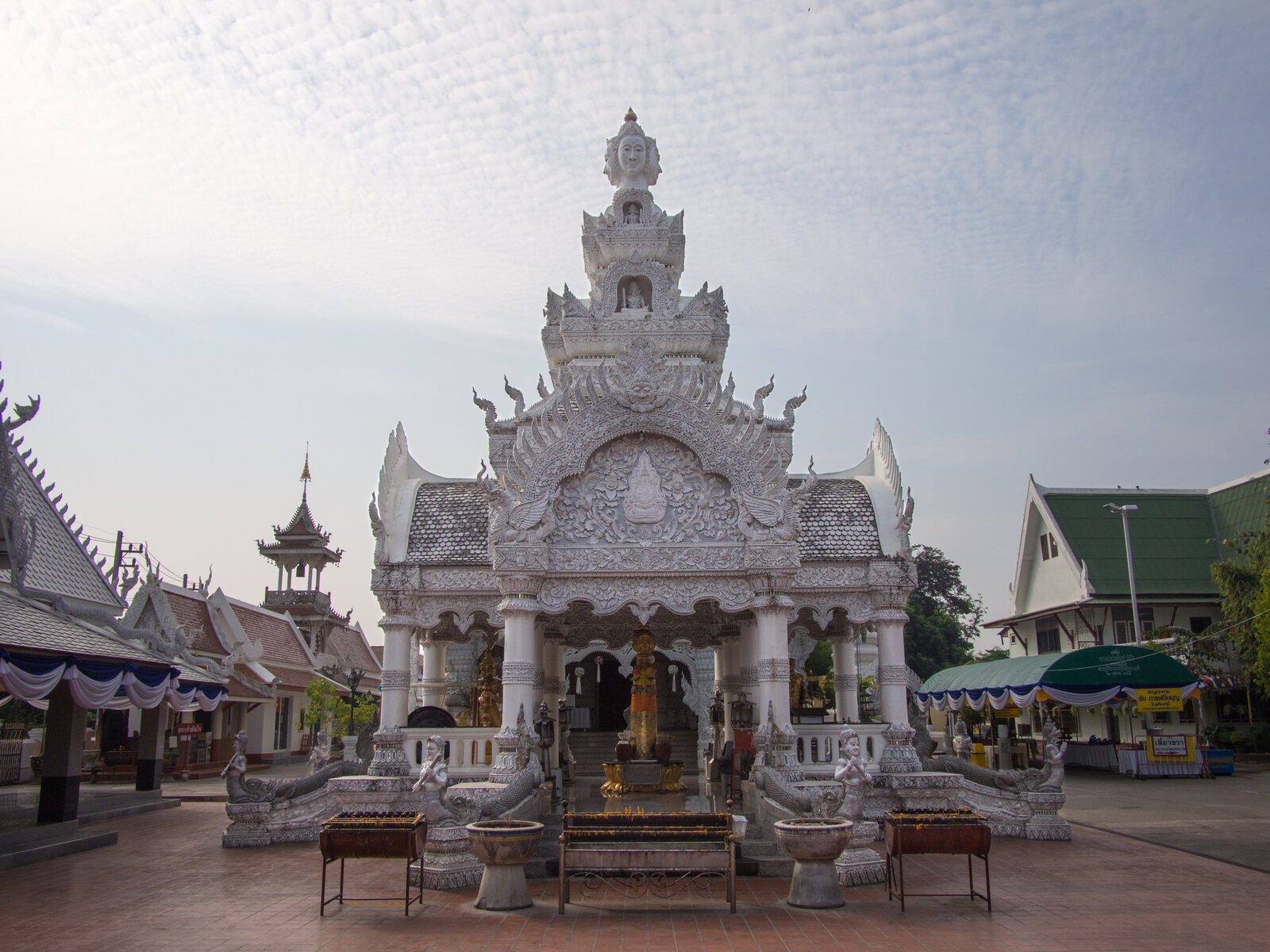
Nan
Nan
Nan was its own kingdom for six centuries and remains the least-visited beautiful province in the north. Wat Phumin holds the murals everyone eventually sees a photograph of, including the man whispering to a woman that has become the emblem of the town. The road east into Doi Phu Kha is one of the great drives in the country.
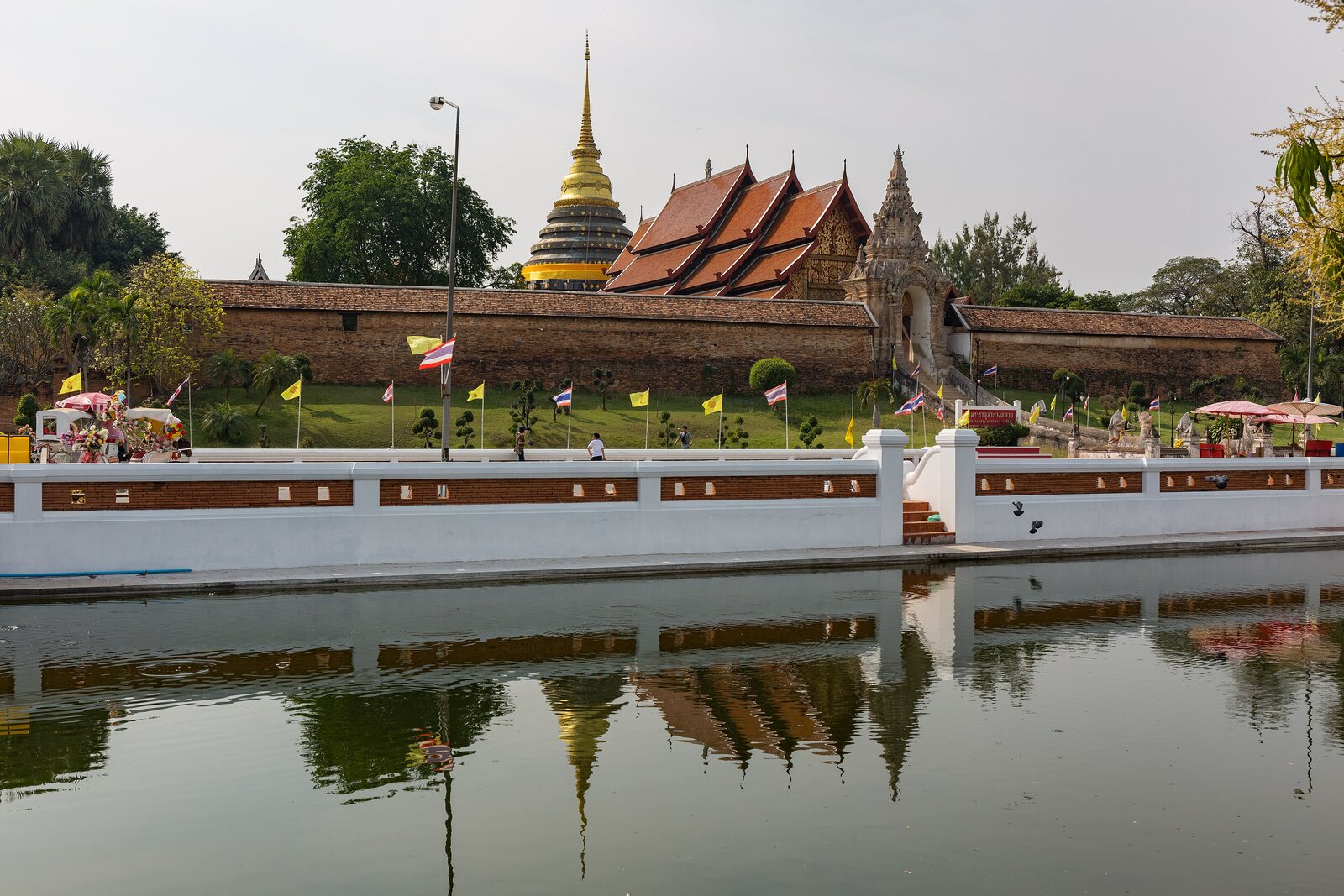
Lampang
Lampang
The only Thai city that still runs horse-drawn carriages, and the keeper of Wat Phra That Lampang Luang — a walled wooden temple on a mound outside town, and the finest surviving Lanna building anywhere. Add the ceramics workshops and the teak shophouse street along the Wang, and it earns a night rather than a stop on the way to Sukhothai.
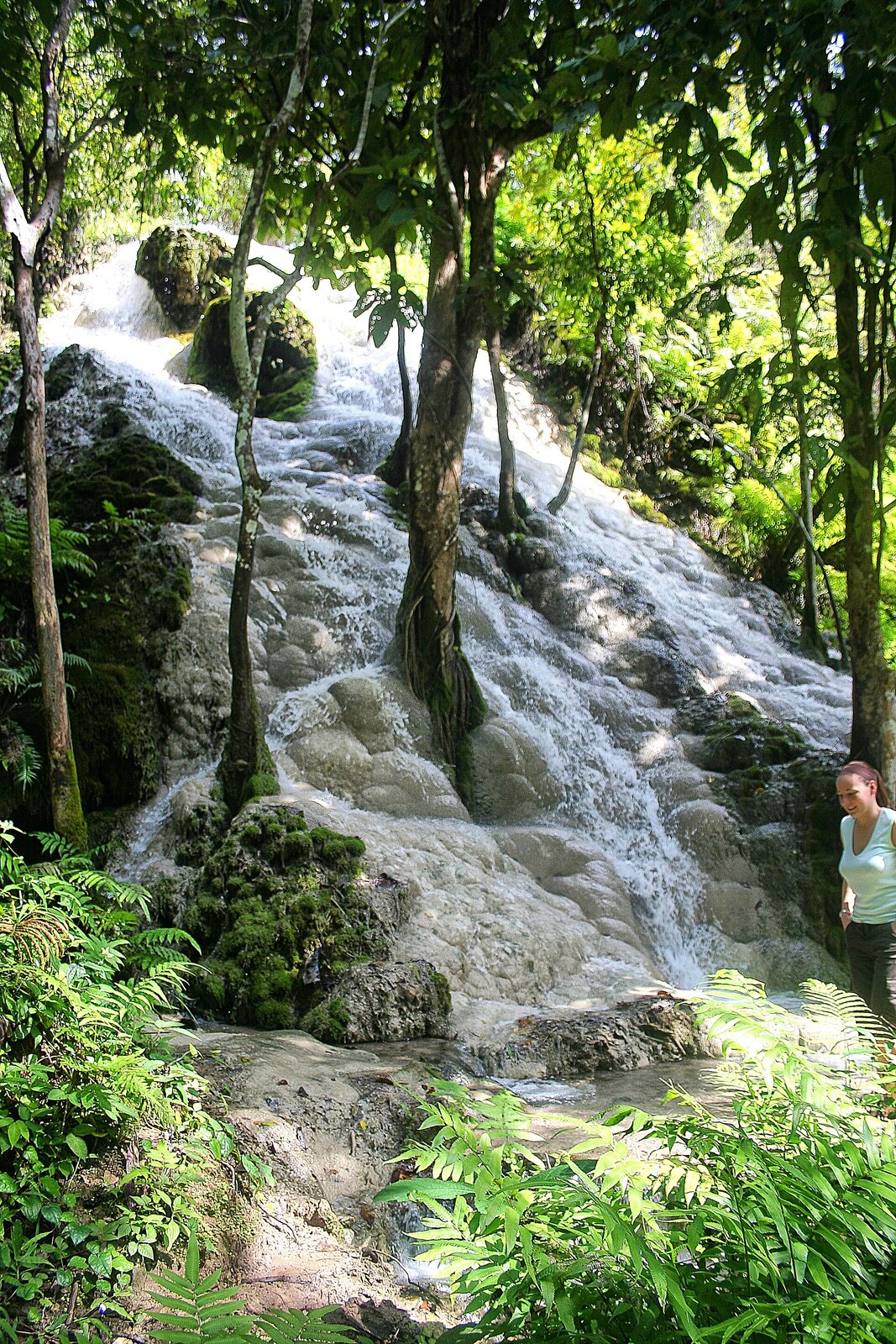
Bua Thong Sticky Waterfalls
Mae Taeng, Chiang Mai
The water at Bua Thong runs over mineral limestone rather than algae, so the rock grips underfoot and you climb the falls themselves, barefoot, without slipping. It is an hour north of Chiang Mai, free to enter, and used mostly by Thai families at the weekend. We go on a weekday morning, with towels waiting in the car.
Questions
What travellers ask
When is the best time to visit Northern Thailand?
November to February is the region's coolest, clearest stretch — mornings can be cold enough for a coat on Doi Inthanon, and the mountain views hold. Avoid February through April if you can: agricultural burning fills the valleys with smoke and can erase the long views from Chiang Mai's mountain temples for days at a time.
How many days should I spend in Chiang Mai and the north?
A week is close to the minimum to do Chiang Mai's old city justice, reach Chiang Rai's White and Blue Temples, and climb to Doi Inthanon, the highest point in the Kingdom. Add more time for Mae Hong Son's hill-tribe villages or the Golden Triangle, where Thailand, Laos and Myanmar meet at the Ruak and Mekong rivers.
What is the difference between Chiang Mai and Chiang Rai?
Chiang Mai is the old Lanna capital — a moated city of some 300 working temples, silversmiths on Wualai Road, and organic farms in the Mae Sa valley. Chiang Rai, further north, is quieter and stranger: the White Temple's morning stillness, the Blue Temple's lapis lacquer, and the Golden Triangle where three nations meet.
Begin Your Journey
Northern Thailand.
Entirely yours.
Tell us what draws you to this region — the temples, the coast, the cuisine, or something you cannot yet name. Your SALA curator will respond within 24 hours.
Begin your Northern journeyAll journeys are entirely private · No group tours · Tailor-made for you