Central Thailand
The ancient capitals and river valleys at the heart of the Kingdom — Ayutthaya and Sukhothai in ruins and open grass, the River Kwai, and the first national park Thailand ever drew a line around.
Begin Your JourneyAbout This Region
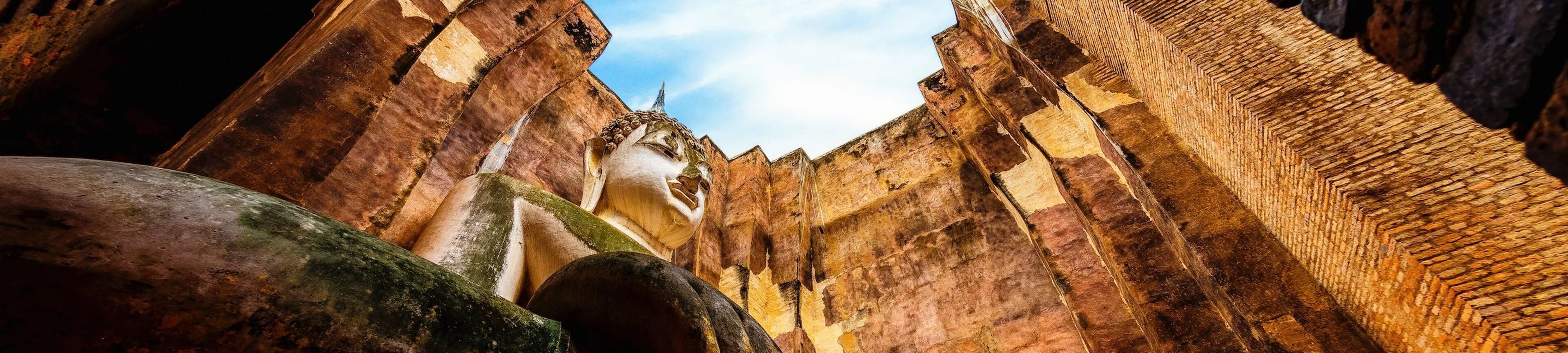
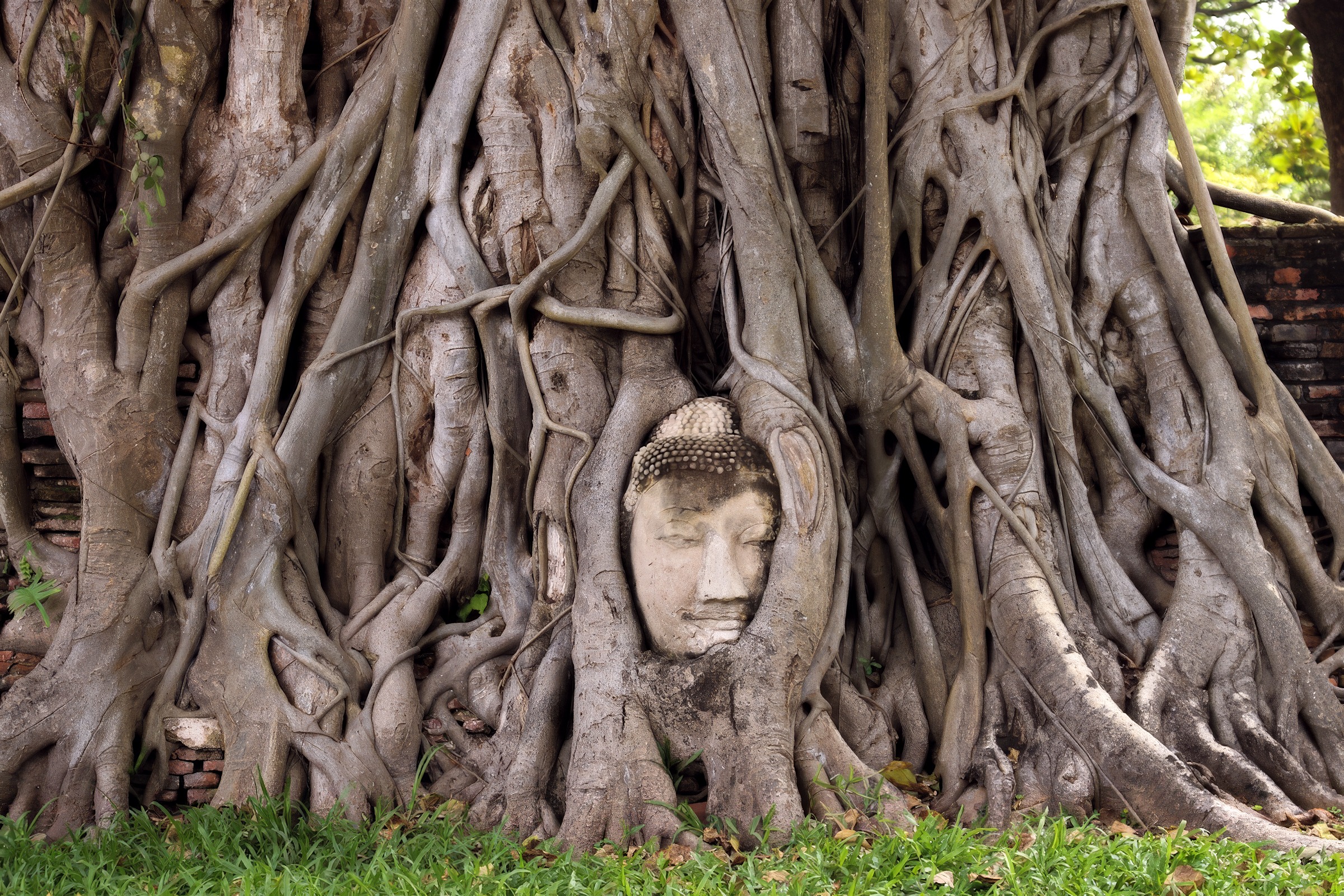
Central Thailand is where the country kept its memory. Ayutthaya was the Siamese capital for four centuries until it was burned in 1767, and what remains — brick prangs, headless Buddhas, the tree root that has grown around a stone head at Wat Mahathat — sits in open parkland an hour and a half north of Bangkok. Further up, Sukhothai holds the earlier and quieter capital, where lotus ponds mirror the chedis and there is space enough between the temples to cycle.
West of the capital, the land rises into the Kanchanaburi hills. The bridge over the River Kwai draws the day-trippers; the war cemeteries and the Hellfire Pass memorial are what actually stay with you, and they deserve a guide who tells it as history rather than spectacle. Beyond them the Erawan falls climb seven limestone tiers into the forest, each pool a slightly different green.
North-east of Bangkok, Khao Yai was the first national park Thailand ever declared, and it still holds wild elephants, hornbills and gibbons within three hours of the city — with a hill-country wine region on its northern edge that has quietly become good. All of it is close enough to the capital to reach without flying, which is precisely why we build it into Bangkok journeys rather than selling it as a separate trip.
Featured Journey
How we travel here
8 – 12 Nights
Bangkok & Beyond
The capital, then the kingdoms that came before it — Ayutthaya's twilight ruins and the river valleys of Kanchanaburi, at the pace they were built for.
Explore this journeyBespoke Only
A Bespoke Central Journey
Sukhothai, Khao Yai and the upper Gulf sit outside every fixed itinerary we publish. Adding them begins with a conversation.
Design Your JourneyWhere You Rest
Stays in Central
A Riverside Heritage House
Ayutthaya
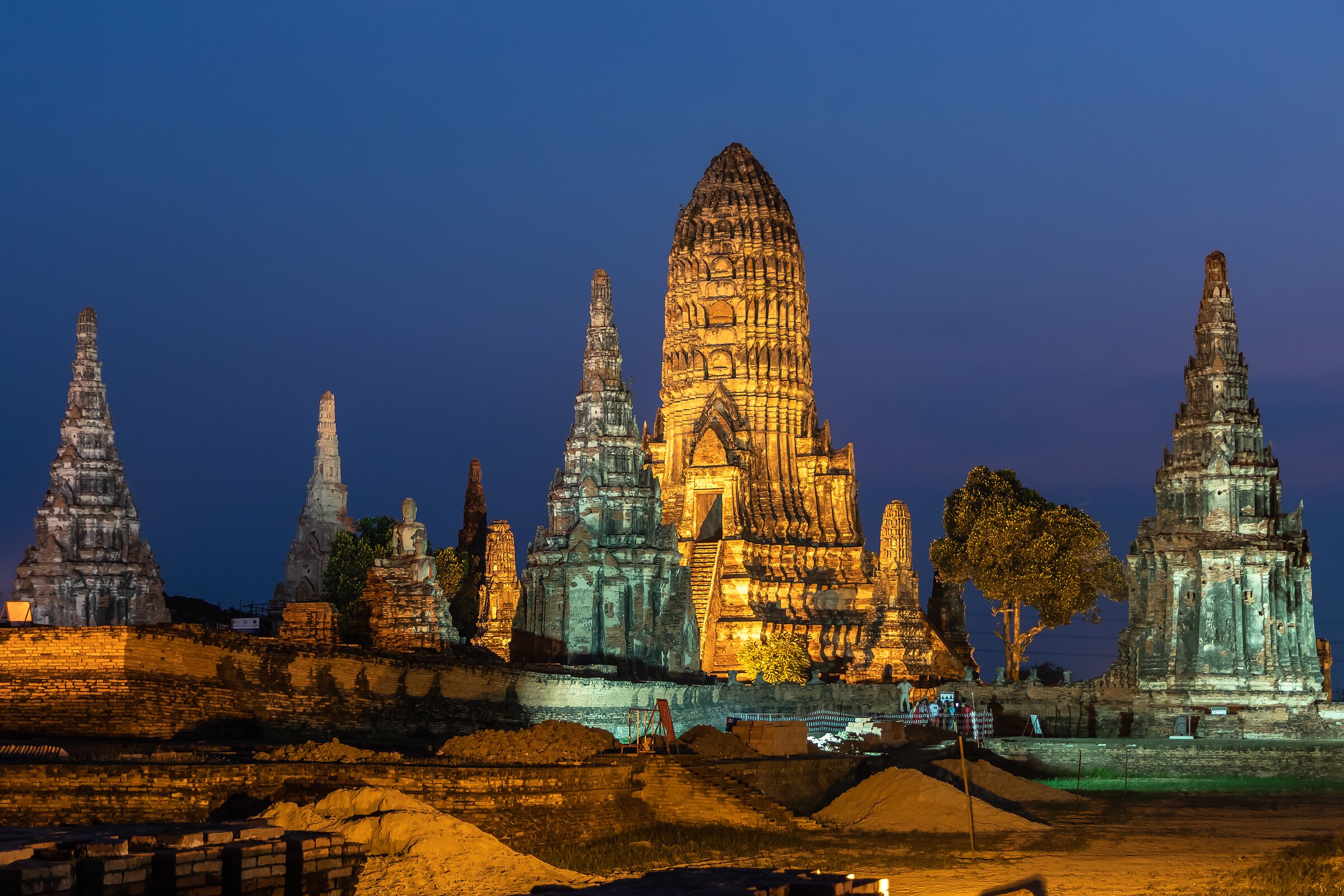
A restored teak house on the river loop, within walking distance of the ruins — small, quiet, and close enough to be at Wat Chaiwatthanaram for the last of the light.
A River Valley Retreat
Kanchanaburi, River Kwai
Raft-house and riverbank accommodation on the Kwai Noi, where the current is the only sound after dark and breakfast arrives with the mist still on the water.
A Vineyard Estate
Khao Yai
A hill-country estate on the park's northern edge, surrounded by vines and within reach of the gates for a dawn entry — the most comfortable base for Khao Yai by some distance.
Notable Places
Where we take you
The places we build journeys around here — and the hour of the day, or the month of the year, at which each of them is worth your time.
Ayutthaya
Ayutthaya
The Siamese capital for four centuries until its destruction in 1767, and now a UNESCO park of brick prangs and headless Buddhas standing in open grass. We go up by road early or down the Chao Phraya by private boat, and we stay until the light goes rather than leaving at four with everyone else.
See the journey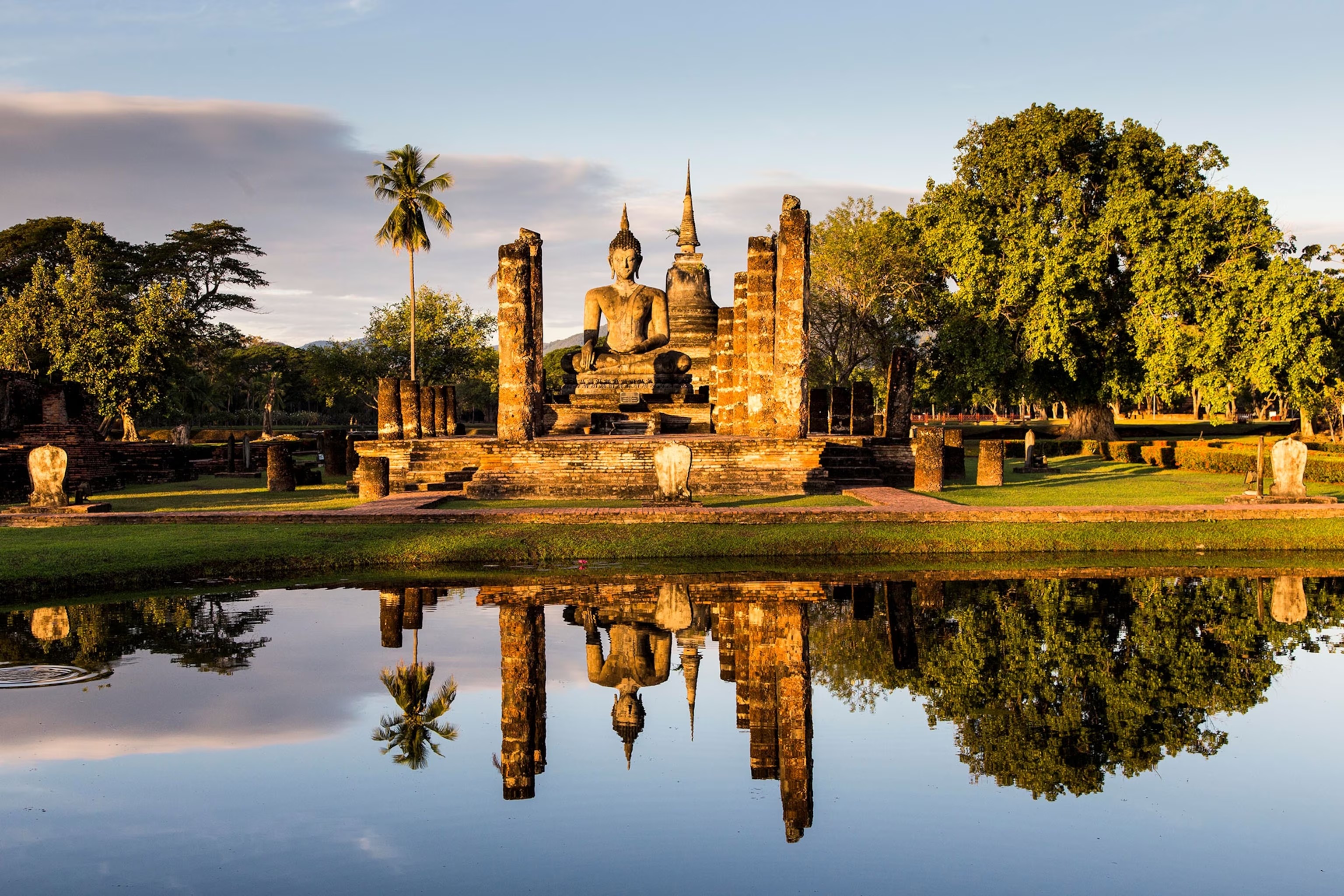
Sukhothai
Sukhothai
Thailand's first capital, and the quieter and more beautiful of the two ancient cities — lotus ponds, open lawns, and the walking Buddha of the Sukhothai style that exists in this form nowhere else. There is space enough between the temples to cycle, which is how it should be seen.
See the journey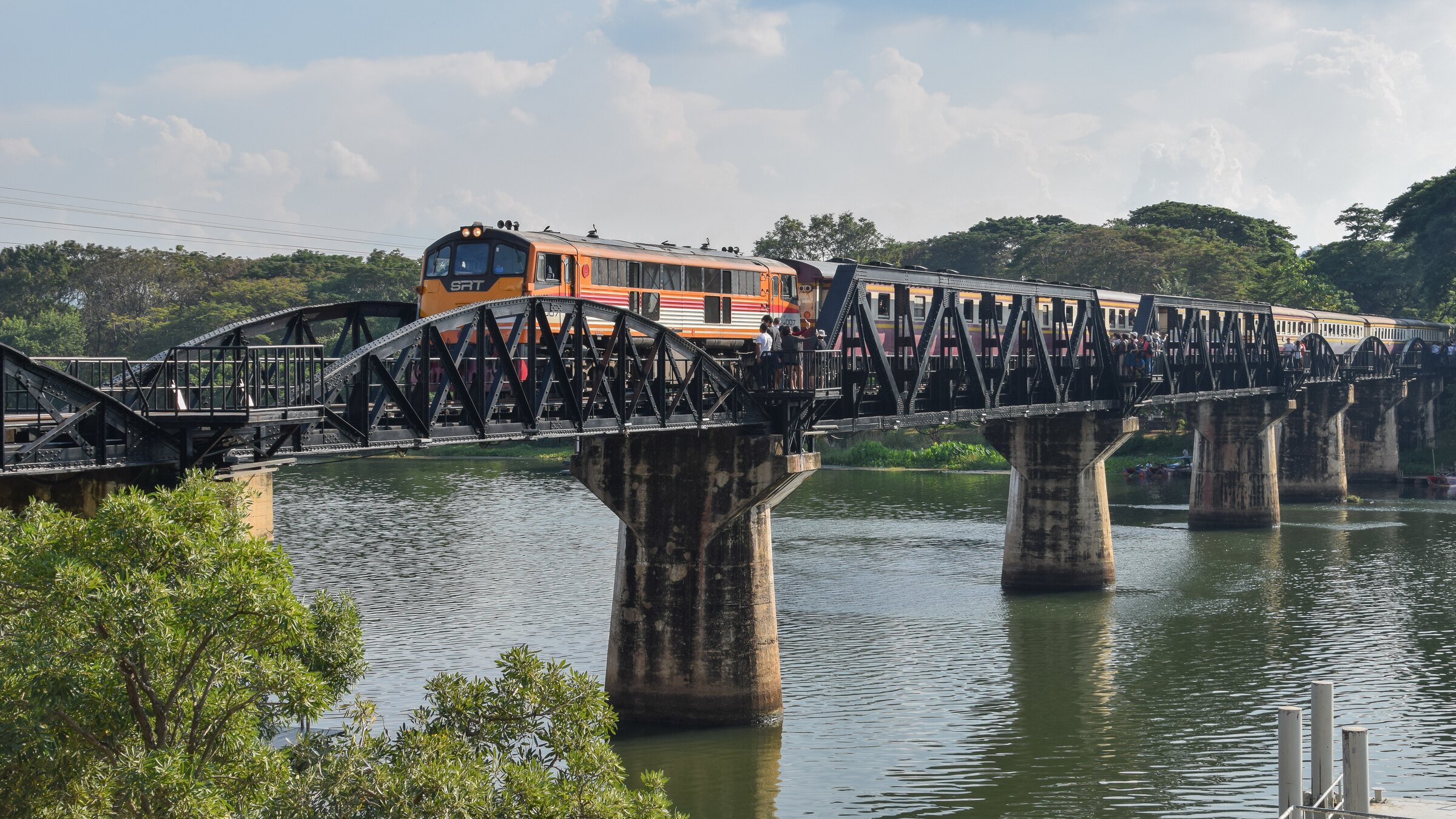
Kanchanaburi & the River Kwai
Kanchanaburi
The bridge is why most people come; the war cemeteries and the Hellfire Pass memorial are why they should stay. We travel with a guide who tells it as history rather than spectacle, and we do not compress the day to fit anything else in.
See the journey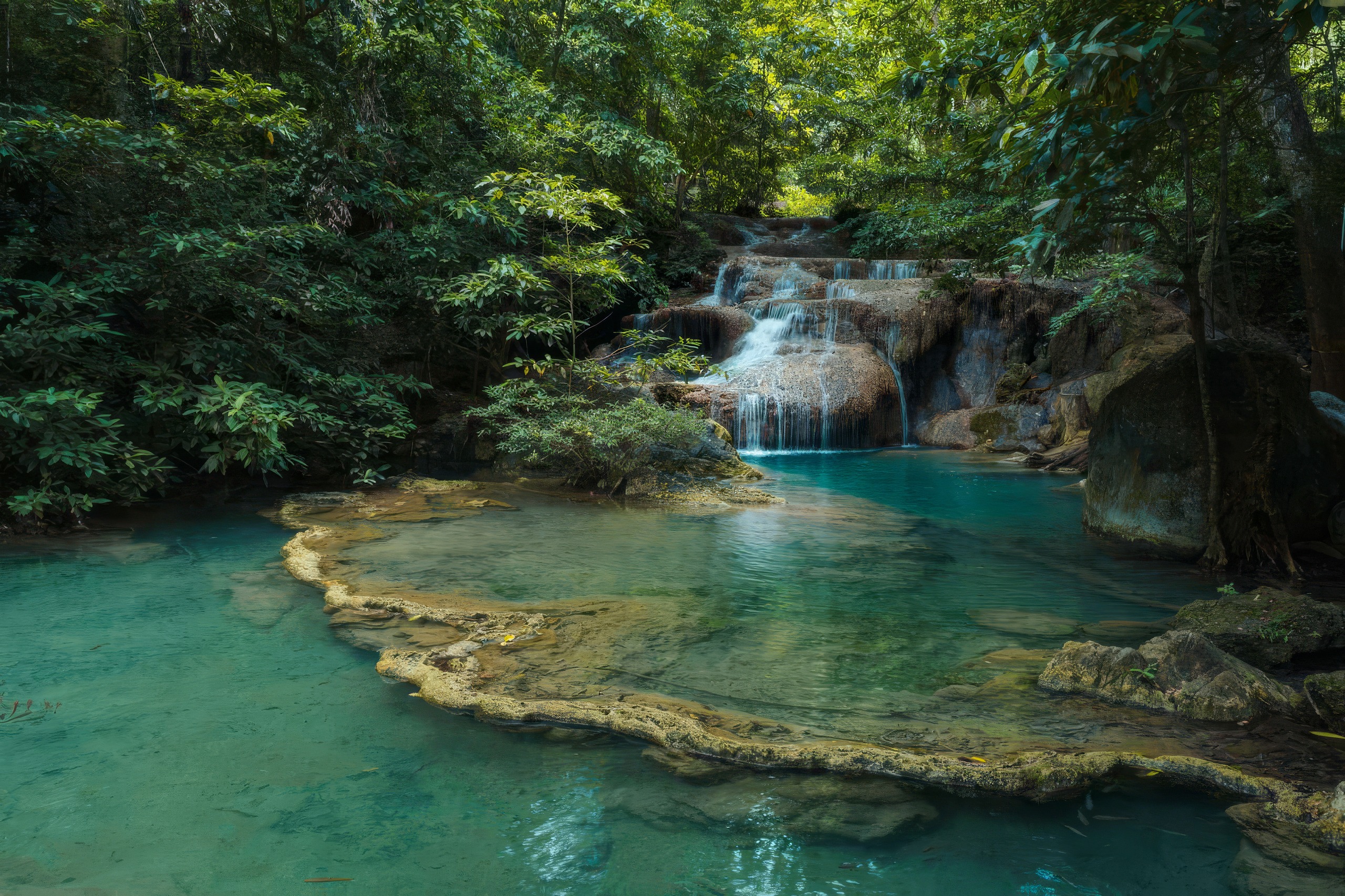
Erawan Falls
Kanchanaburi
Seven tiers of limestone pools climbing through the forest of Erawan National Park, each a slightly different shade of blue-green. Most visitors stop at the second or third. The upper tiers thin the crowd considerably, and are worth the walk.
See the journey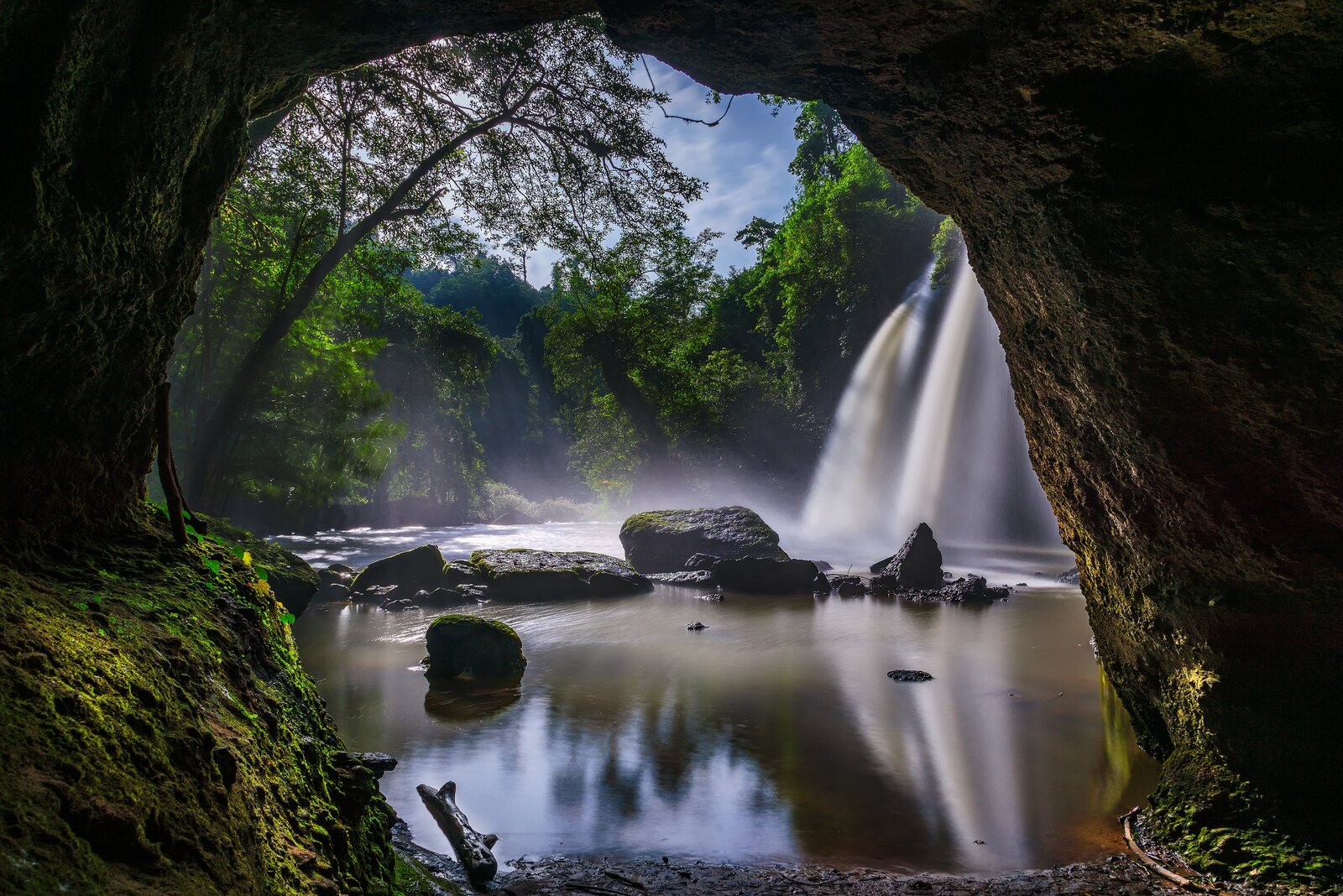
Khao Yai National Park
Nakhon Ratchasima
Thailand's first national park, part of a UNESCO forest complex, and close enough to Bangkok to reach before the morning is over. Wild elephants, hornbills, gibbons at first light — and, on its northern edge, a hill-country wine region that has quietly become good. We stay outside the gates and go in at dawn.
See the journey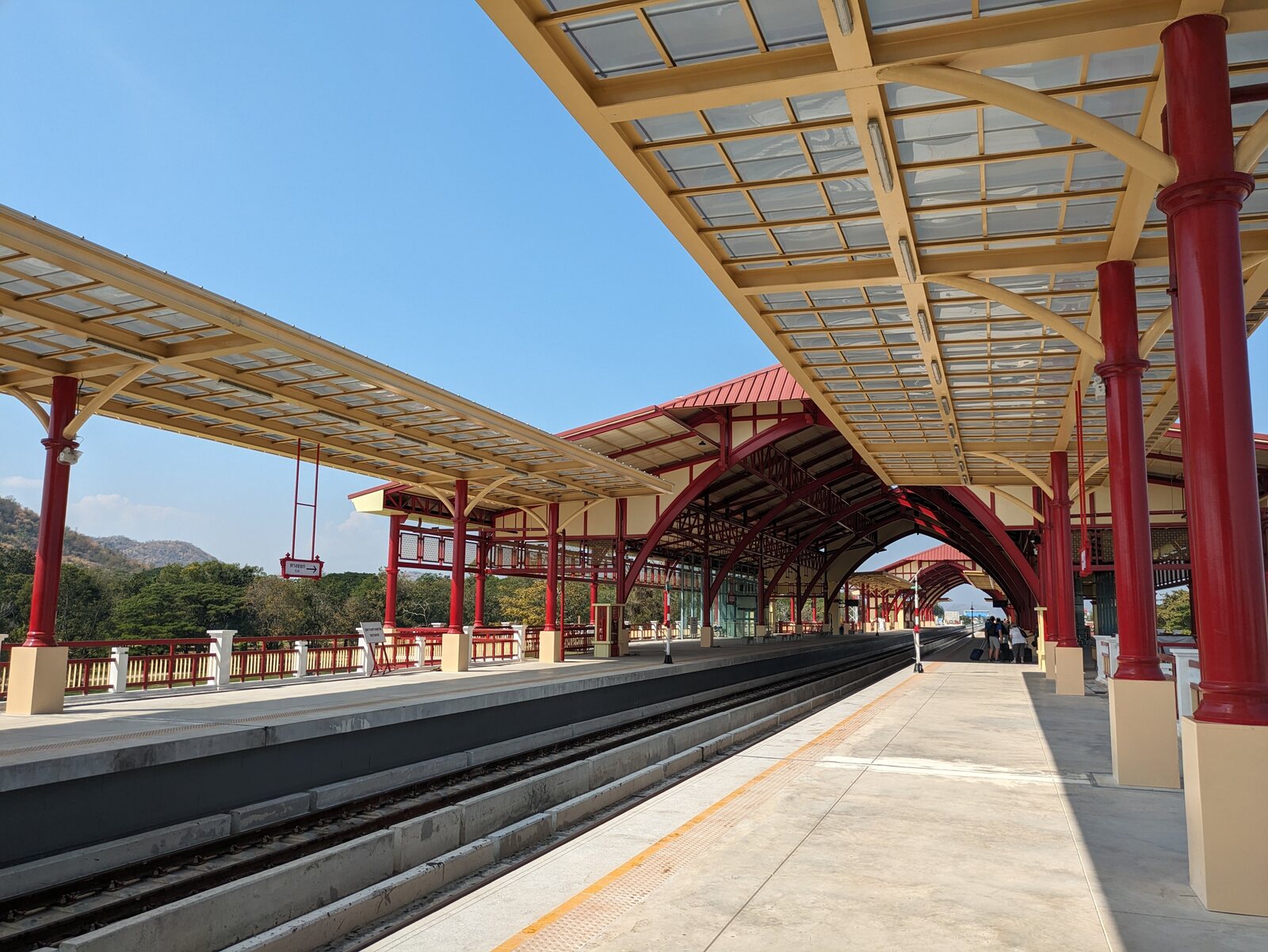
Hua Hin
Hua Hin
The Thai royal family has summered here since the 1920s, and the town has kept that composure — a long flat beach, the old railway pavilion, and a night market that has held its standards while others let theirs go. It is the easiest coast to reach from Bangkok without flying.
See the journeyAlso worth your time
The second register — the places we add when a journey has the days for them, or when the obvious things are already behind you.
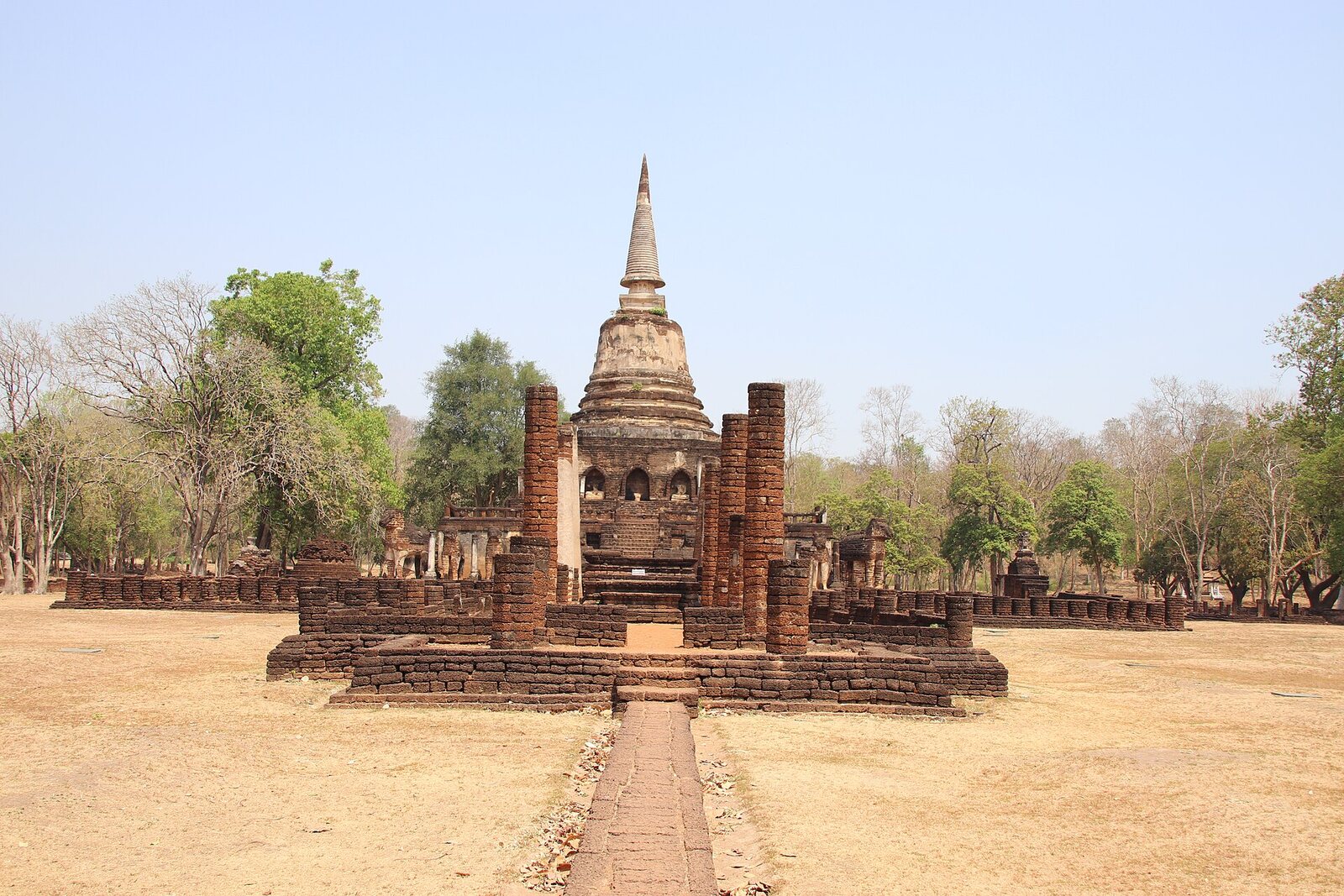
Si Satchanalai
Sukhothai
The second city of the Sukhothai kingdom, inscribed alongside it in 1991 and visited by a fraction of the number. Elephant-buttressed chedis stand in dry forest above the Yom, and the kilns at Ban Ko Noi fired the celadon that reached Japan and the Philippines. We drive up from Sukhothai early and have it effectively to ourselves.
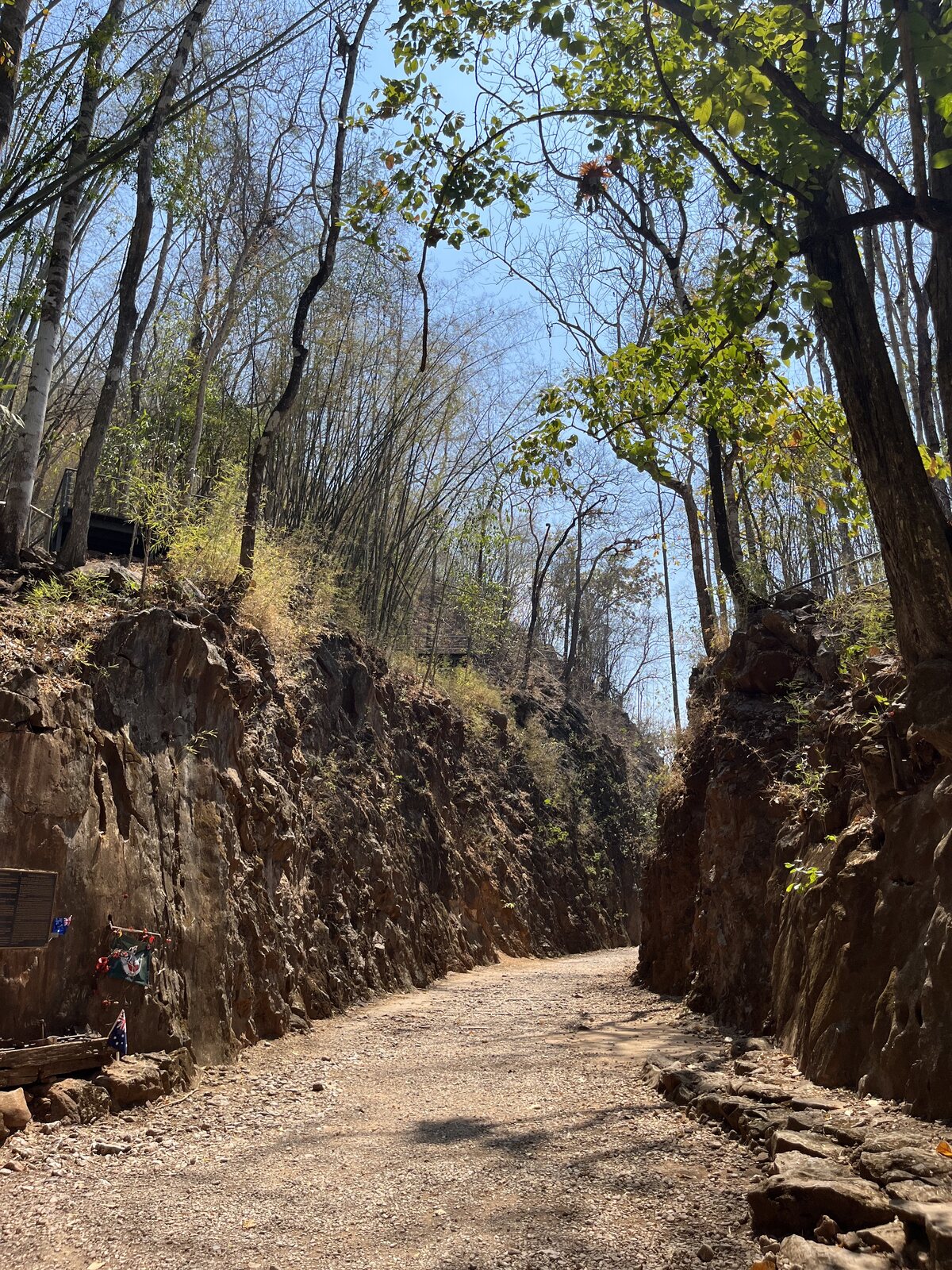
Hellfire Pass
Kanchanaburi
Konyu Cutting was hacked through rock by prisoners of war and conscripted Asian labourers working through the night by carbide lamp, which is how it took its name. The Australian-funded memorial museum above it is among the most carefully made in Thailand, and the trail drops into the cutting itself. We give it a whole morning and no commentary it does not need.
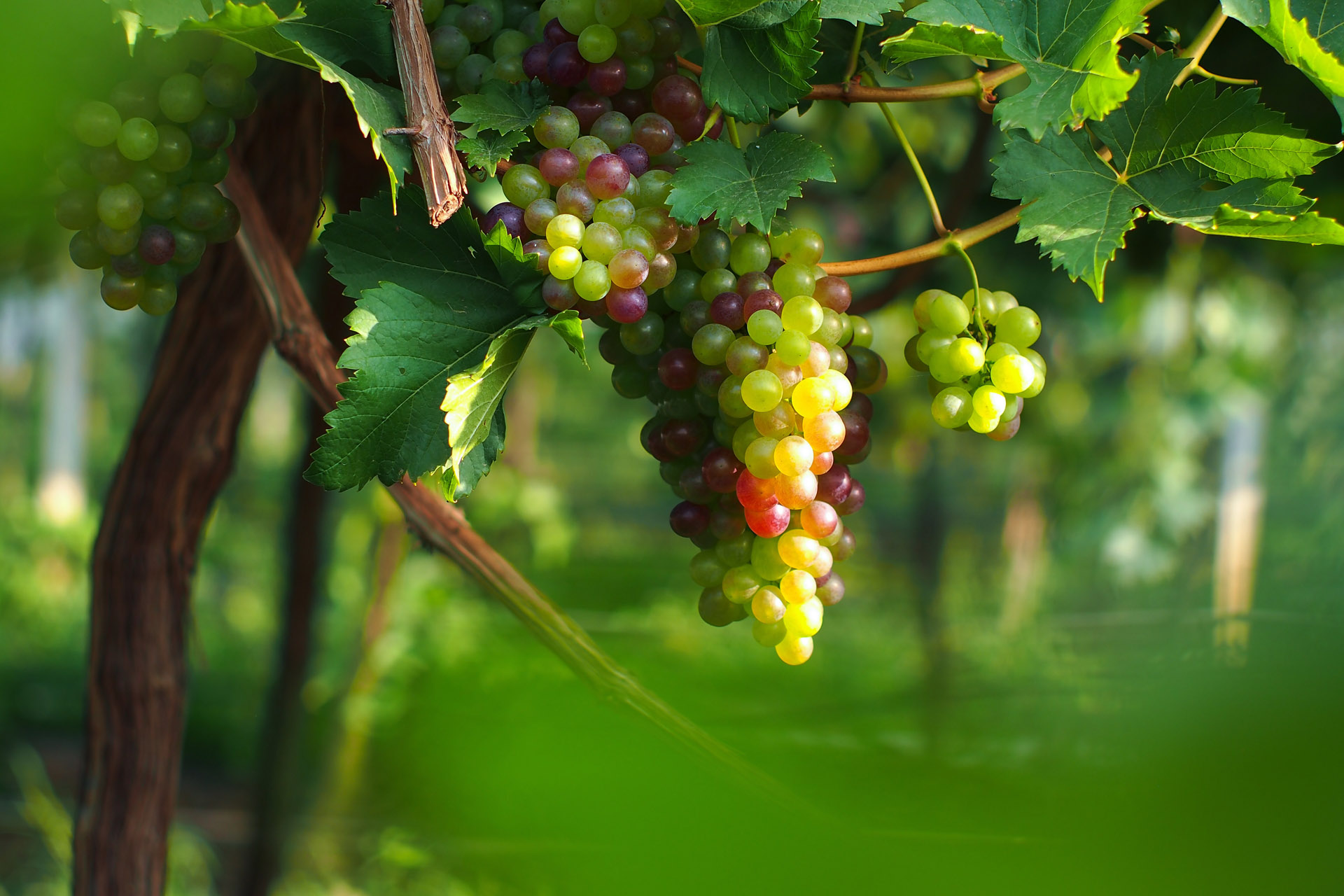
Khao Yai Wine Country
Pak Chong, Nakhon Ratchasima
The hill country on the edge of Khao Yai grows what the trade calls New Latitude wine — Syrah, Chenin Blanc, Durif — on estates that long ago stopped being a curiosity. Harvest falls in the cool months rather than the autumn, which is the whole oddity of the place. We arrange a private tasting and a table on the terrace, and pair the day with a dawn drive inside the park.
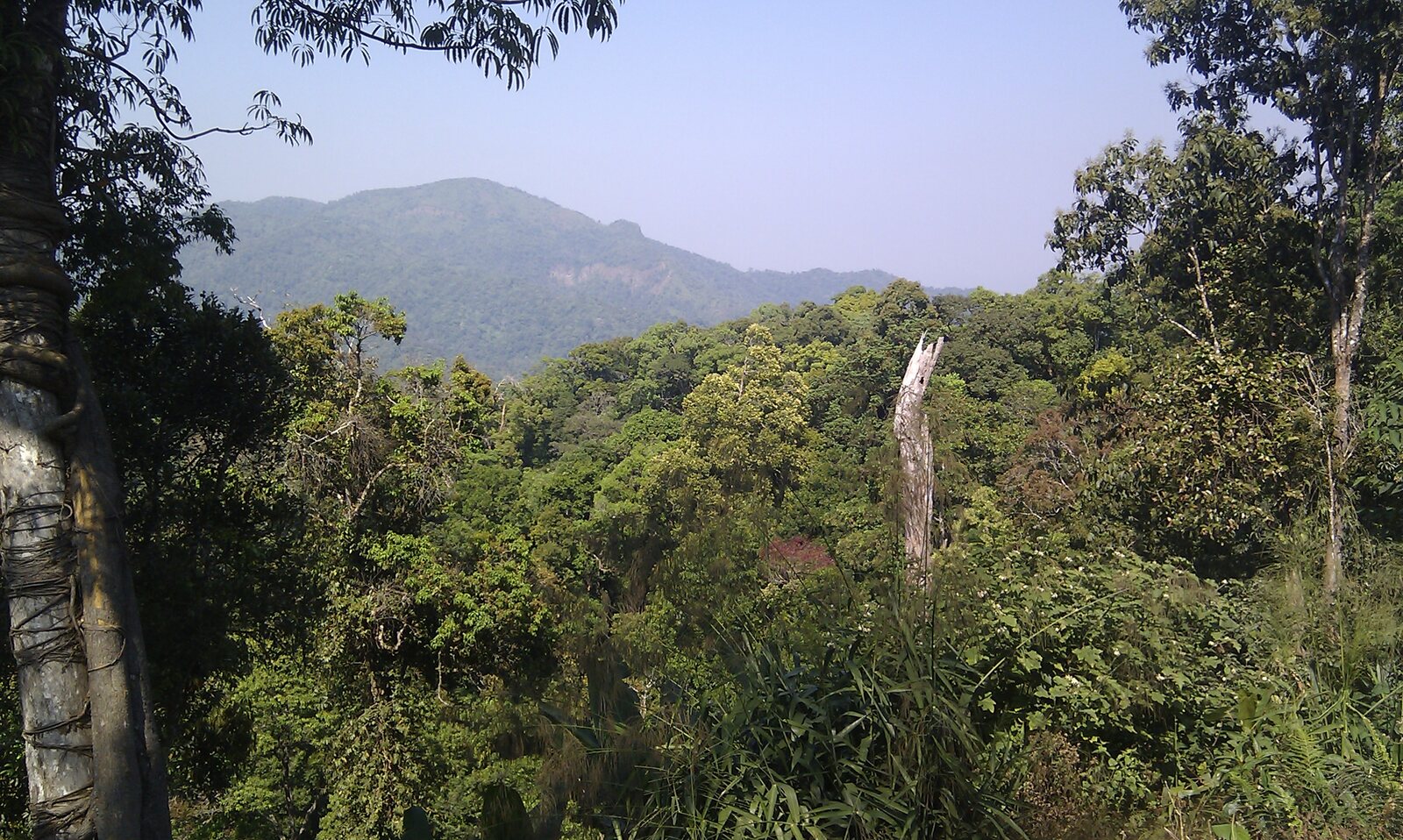
Kaeng Krachan National Park
Phetchaburi
The largest national park in Thailand, inscribed by UNESCO in 2021, holding the forest where Sundaic and Indochinese species overlap — hornbills, gibbons, and the leopards nobody should promise you. The mist standing in the valleys below the Panoen Thung ridge at dawn is the image people come for. We stay at the edge and go in at first light with a naturalist.
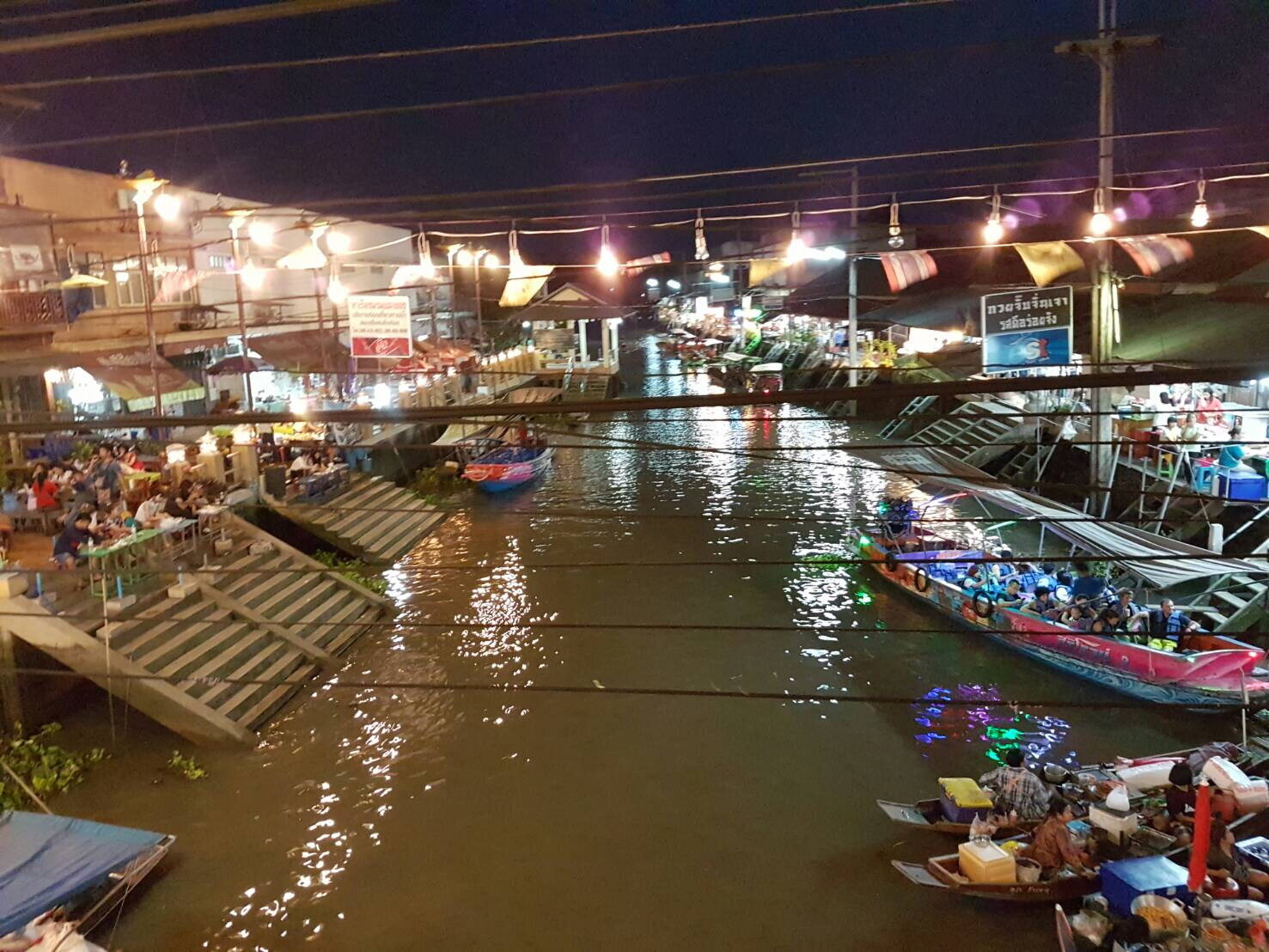
Amphawa Floating Market
Samut Songkhram
Amphawa is the floating market that is still a market — a canal of timber shophouses where boats grill river prawn to order and the crowd is largely Thai. It is the honest alternative to Damnoen Saduak, which has been staged for visitors for years. We come in the late afternoon, eat on the steps, and take a boat out after dark to the fireflies in the lamphu trees.
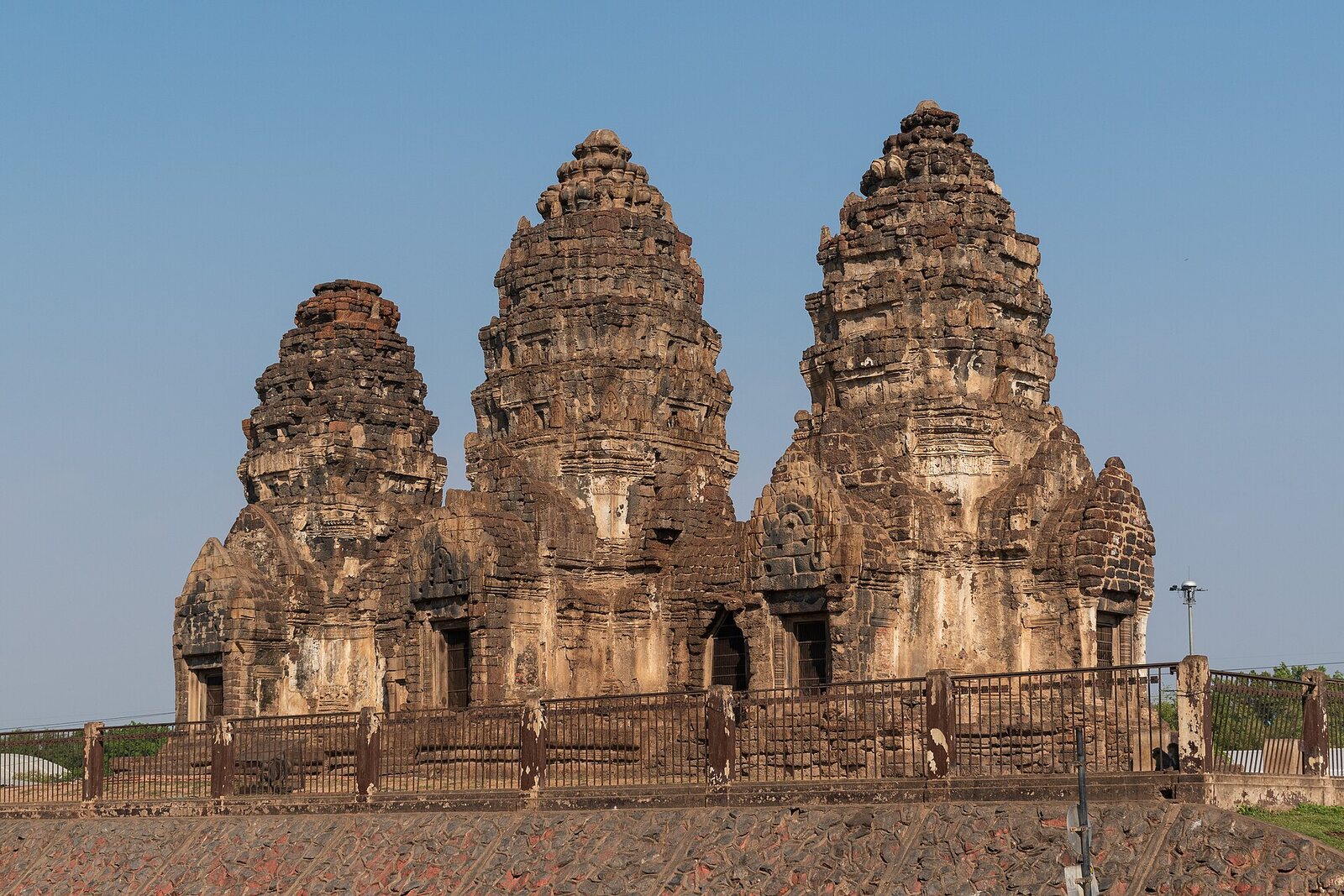
Lopburi
Lopburi
A city since the Dvaravati period, a Khmer garrison after that, and King Narai's second capital in the seventeenth century — the three laterite towers of Phra Prang Sam Yot still stand in the middle of the traffic. Its other residents are several hundred long-tailed macaques, who have the run of the ruins entirely.
Questions
What travellers ask
Is Central Thailand doable as day trips from Bangkok?
Mostly, yes — Ayutthaya sits ninety minutes north and works well as a single long day, and Kanchanaburi's war cemeteries and Hellfire Pass can be done the same way. Sukhothai and Khao Yai are further and reward an overnight, which is why we build all four into Bangkok journeys rather than selling Central Thailand as a separate trip.
When is the best time to visit Ayutthaya and Sukhothai?
The cooler months from November to February suit both ruined capitals best, since the open parkland at Ayutthaya and the lotus ponds at Sukhothai offer little shade and can be uncomfortable to walk in the hotter months. Sukhothai in particular rewards enough time between temples to explore them by bicycle, which needs a mild morning.
Is Khao Yai worth adding to a Central Thailand itinerary?
Yes — Khao Yai was the first national park Thailand ever declared and still holds wild elephants, hornbills and gibbons within three hours of Bangkok, with a hill-country wine region on its northern edge that has quietly become good. It pairs naturally with Ayutthaya or Kanchanaburi as the third stop on a Central Thailand week.
Begin Your Journey
Central Thailand.
Entirely yours.
Tell us what draws you to this region — the temples, the coast, the cuisine, or something you cannot yet name. Your SALA curator will respond within 24 hours.
Begin your Central journeyAll journeys are entirely private · No group tours · Tailor-made for you